Sulfonamide hypersensitivity
Sulfa allergy: which drugs cross-react and which do not
Two groups, one word
What “sulfonamide” means — and what “sulfa” does not
- Sulfonamide = any compound with an SO₂NH₂ moiety; two groups — antimicrobials and non-antimicrobials
- Antimicrobials carry an aromatic amine at N4 and a nitrogen heterocycle at N1; most non-antimicrobials have neither
- “Sulfa” means the antimicrobials — some patients hear it as everything with “sulf-” in the name
- Sulfur, sulfites and sulfates (penicillins, captopril, omeprazole, metabisulfite, morphine sulfate, ferrous sulfate) are not sulfonamides — no cross-sensitivity
- Numbers on these slides are from Khan 2019 unless marked1
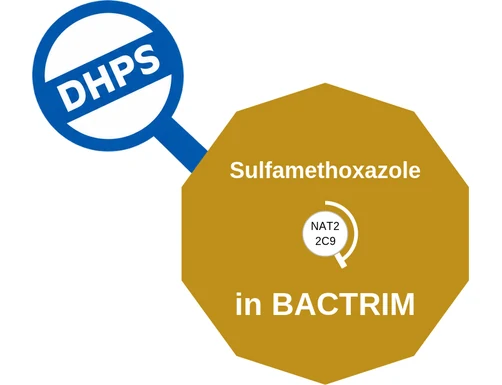
The three parts of a sulfa antimicrobial
Figure 1 of Khan 2019, on the library’s own structure — click a phrase or an atom
- IgE: specificity comes from the N1 substituent, not the sulfonamide group — a nitrogen heterocycle at N1, and a methyl on the carbon beta to the sulfonamide
- Non-IgE: 45–70% of sulfamethoxazole is N4-acetylated (harmless); the rest is N4-hydroxylated by CYP2C9 — more so in slow acetylators — to a reactive nitroso compound
- The nitroso metabolite is directly cytotoxic or binds T cells → SJS/TEN; without the aromatic amine, non-antimicrobials cannot make it
What the non-antimicrobials lack
The sulfonamide moiety itself does not trigger the serious reactions
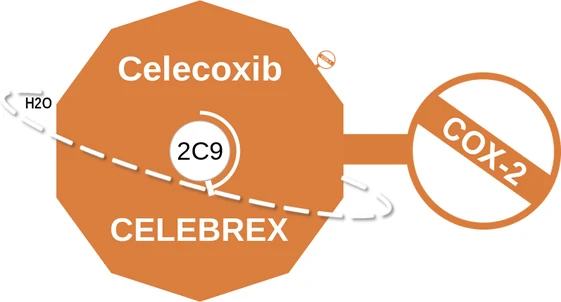
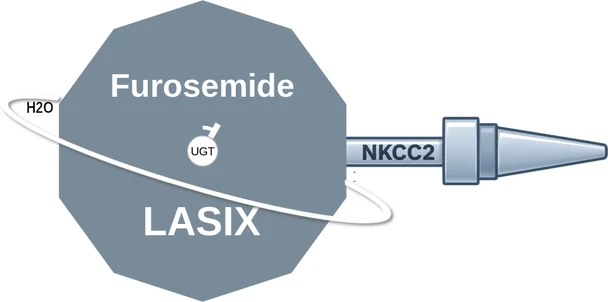
- SO₂NH₂ alone does not cause DRESS or SJS/TEN — the aromatic amine does; furosemide, celecoxib and acetazolamide lack it
- No N1 substituent either, so no shared IgE epitope
- Monograph advice to avoid non-antimicrobial sulfonamides rests on little evidence; label wording runs from no warning to a contraindication
The diuretics
Thiazide-type and loop diuretics carry the warning without the chemistry
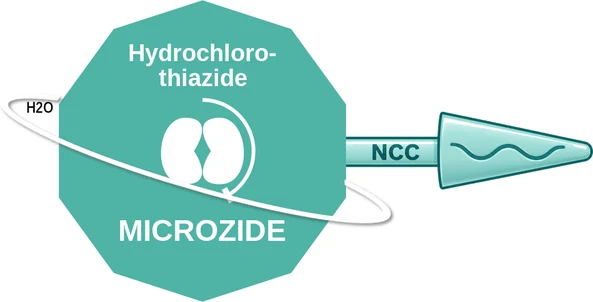
- No or weak evidence of cross-reactivity: hydrochlorothiazide, chlorthalidone, indapamide, metolazone, diazoxide, furosemide, bumetanide
- In the library’s non-antibacterial class because each label warns; torsemide’s does not, and ethacrynic acid has no sulfonamide at all7
- Diazoxide’s label is contraindicated with hypersensitivity to “other thiazides” — the word sulfonamide never appears6
The sulfonylureas
Same bridge, three different labels
- Glimepiride, glyburide and gliclazide: no or weak evidence of cross-reactivity
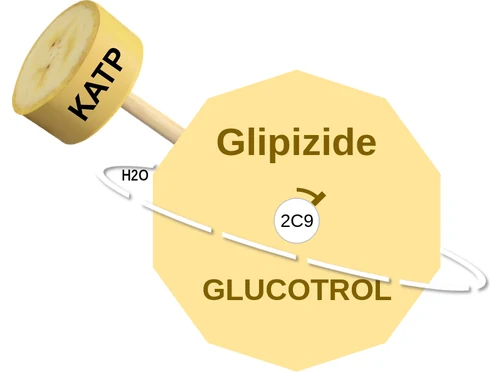
- Glimepiride is label-contraindicated after a sulfonamide-derivative reaction; glipizide and glyburide, same bridge, are label-silent — so only glimepiride sits in the class
What cross-reactivity really looks like
Strom, NEJM 2003 — the number behind every modern review
- Prior sulfonamide-antibiotic allergy: 96 of 969 (9.9%) reacted to a later sulfonamide non-antibiotic; without it, 315 of 19,257 (1.6%) — adjusted OR 2.82
- The same patients reacted to penicillin even more often (OR 3.9); their risk from a sulfonamide non-antibiotic was LOWER than from a penicillin (OR 0.7)2
- Reads as a reaction-prone patient, not a shared structure — the pattern seen with cephalosporins after penicillin allergy
- No conclusive case report documents antimicrobial-to-non-antimicrobial cross-reactivity
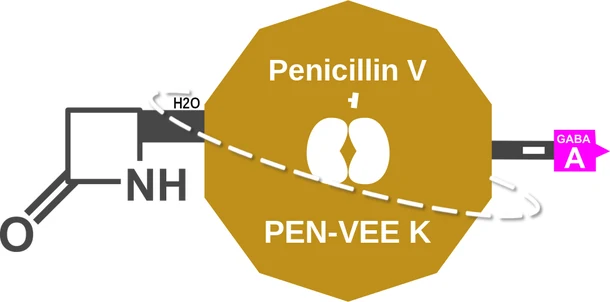
After a reaction to TMP-SMX — avoid
Table II of Khan 2019
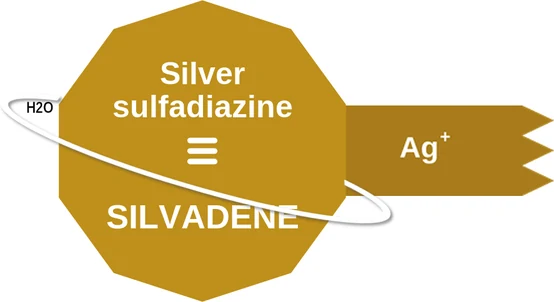
- Every sulfonamide antimicrobial, any route — sulfacetamide eye drops and silver sulfadiazine cream included
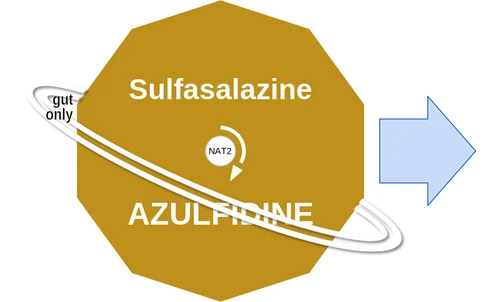
- Sulfasalazine: metabolized to sulfapyridine, a sulfonamide antimicrobial
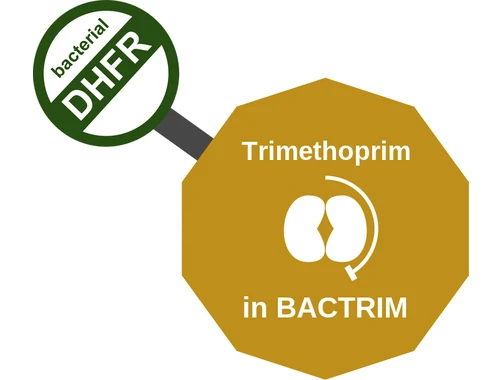
- Trimethoprim: no way to know which component reacted, and trimethoprim itself causes anaphylaxis
- After SERIOUS reactions, prudent to avoid the aromatic-amine drugs too: dapsone (a sulfone), fosamprenavir, darunavir, sulfasalazine
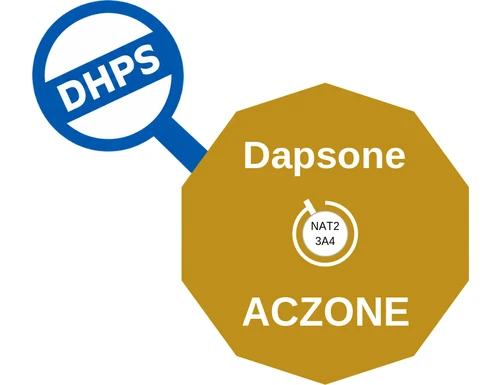
Dapsone — a sulfone with two arylamines
Conflicting data; avoid after severe reactions
- Cross-reactivity evidence is conflicting; avoidance suggested, especially after severe reactions
- In HIV, often tolerated after TMP-SMX intolerance — all 13 patients given dapsone in one series tolerated it4
- RegiSCAR DRESS: dapsone 3 cases, sulfasalazine 7% — TMP-SMX only 2 of 115
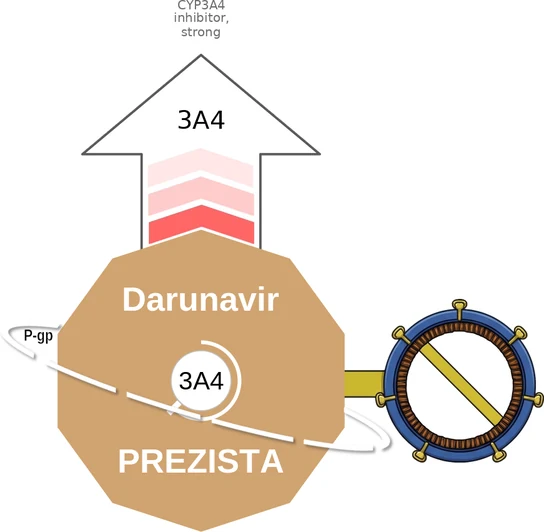
Darunavir — the antiretroviral exception
The one non-antibacterial in the library that carries the N4 aromatic amine
- Label: contains a sulfonamide moiety; use with caution in known sulfonamide allergy3
- Fosamprenavir is a sulfanilamide derivative; many sulfonamide-allergic patients tolerate darunavir, but caution at initiation
- Khan’s text credits only fosamprenavir and amprenavir with the N4 arylamine; darunavir’s structure carries the same 4-aminobenzenesulfonamide — hence “all but darunavir” on the class card
Sulfasalazine — sulfapyridine in disguise
An antibacterial sulfonamide prescribed for the bowel and the joints
- Avoid after a sulfonamide-antimicrobial reaction: it releases sulfapyridine and 5-ASA
- The attributed drug in 7% of RegiSCAR DRESS cases
After a reaction to TMP-SMX — no need to avoid
Table I of Khan 2019: no or weak evidence of cross-reactivity
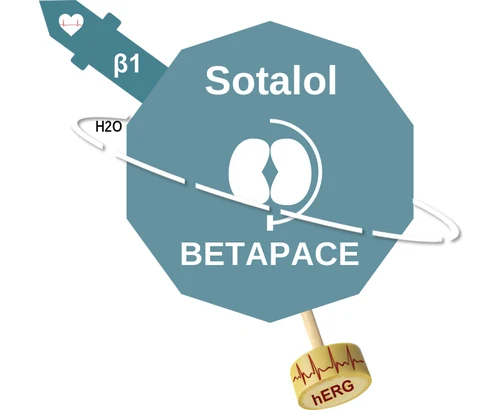
- Tamsulosin · ibutilide, sotalol · topiramate · acetazolamide, methazolamide, dorzolamide, brinzolamide
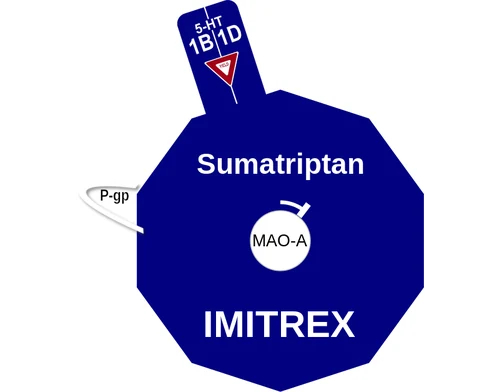
- Celecoxib · furosemide, bumetanide · glimepiride, glyburide, gliclazide · hydrochlorothiazide, chlorthalidone, indapamide, metolazone, diazoxide · sumatriptan, naratriptan
- Sulfur, sulfates, sulfites: no sulfonamide moiety, no cross-reactivity
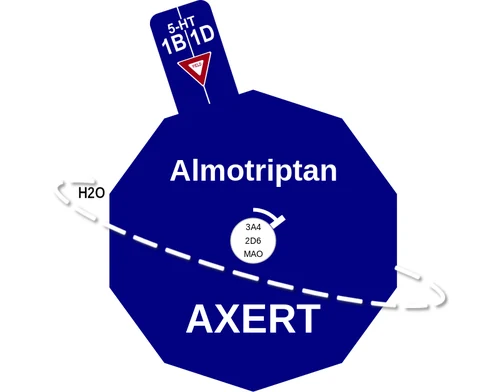
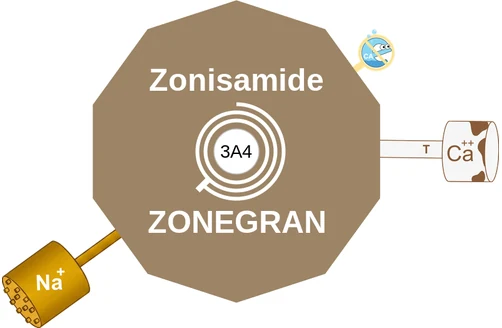
- The library’s class is drawn by LABEL, not evidence: zonisamide, almotriptan, simeprevir and dichlorphenamide warn and are in; Khan does not name them
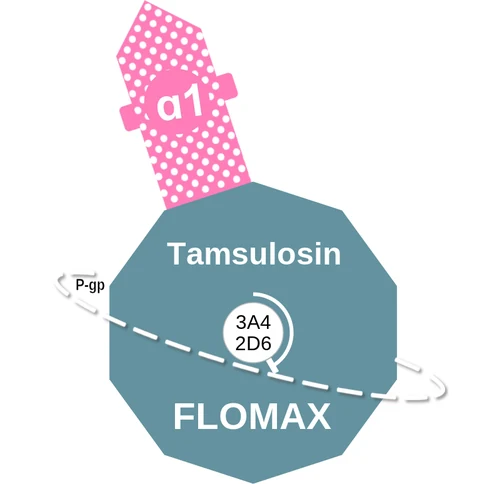
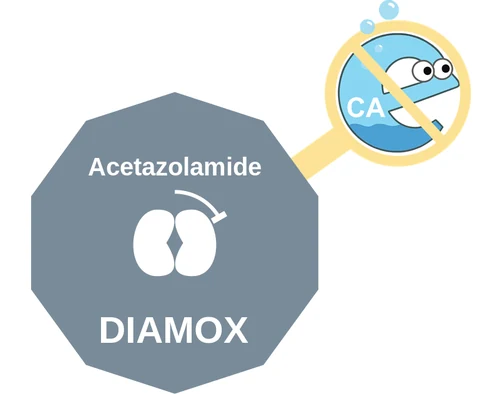
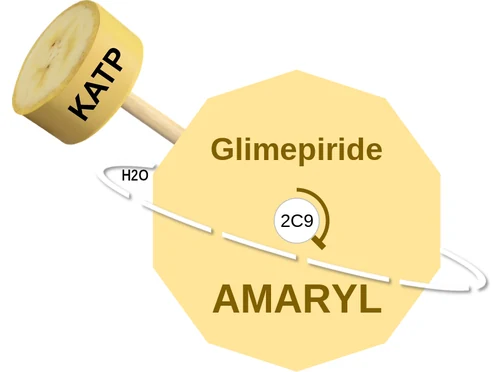
After a reaction to a NON-antimicrobial sulfonamide
Celecoxib, furosemide — what the evidence allows
- No evidence that the antimicrobials or the other non-antimicrobials cross-react
- After a celecoxib reaction, no data say furosemide or TMP-SMX must be avoided
- After SJS/TEN or DRESS some clinicians avoid every sulfonamide — understandable, unsupported
Labels — from no warning to a contraindication
Why the library splits the class by label text
- Labeling on prior sulfonamide allergy is inconsistent — no warning to contraindication
- Glimepiride contraindicated, glipizide and glyburide silent · almotriptan warns, sumatriptan and naratriptan silent · zonisamide contraindicated, topiramate (a sulfamate) silent · probenecid, sotalol, ibutilide, torsemide silent
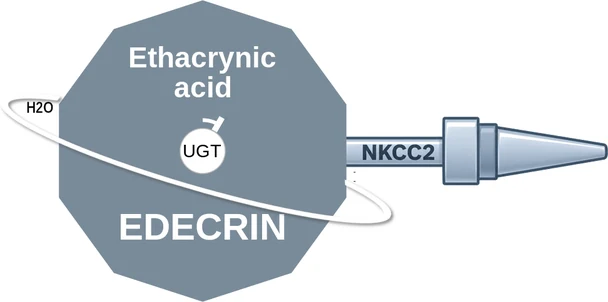
- Ethacrynic acid is the loop diuretic without a sulfonamide — the classic alternative, rarely needed
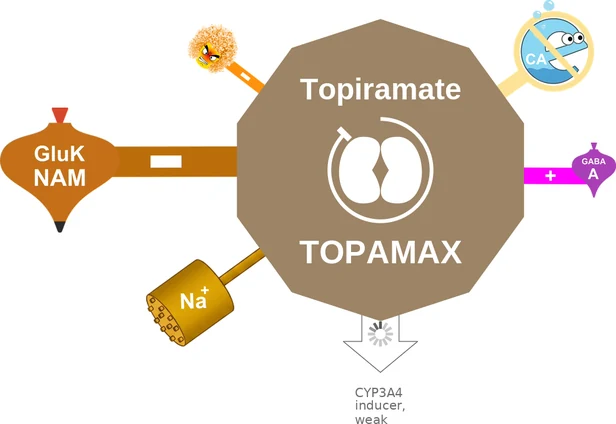
Topiramate — a sulfamate, not a sulfonamide
The one drug on Khan’s list that is not, strictly, in the class
- Listed by Khan among non-antimicrobial sulfonamides with no evidence of cross-reactivity
- Chemically O–SO₂–NH₂, sulfur on oxygen not carbon; label silent, so the library keeps it out of both classes
Immediate reactions
Less common than delayed reactions, occasionally fatal
- Urticaria or angioedema to anaphylaxis — rarely fatal
- Topical sulfacetamide eye drops: contact urticaria progressing to anaphylaxis
- Trimethoprim alone can cause anaphylaxis
Delayed reactions — the skin
Benign exanthems are common; SCARs are the fear
- Boston, 1,121 inpatients on TMP-SMX: 3.3% cutaneous reactions — half within 72 h, the rest at 4–13 days, clearing on withdrawal; more frequent at ≥4 tablets/day
- 191 Thai patients: maculopapular 36.6%, fixed drug eruption 22%, urticaria 12%, anaphylaxis 1%; SCAR 11.5% (16 SJS, 6 DRESS)
- Also: Sweet syndrome, SDRIFE, psoriasiform dermatitis, AGEP, linear IgA disease
- DRESS (RegiSCAR): TMP-SMX 1.7% · SJS/TEN (EuroSCAR): co-trimoxazole 6.3%, the commonest antibiotic · US TEN series: TMP-SMX 36.6% of 82
- Hospitalized erythema multiforme or SJS: 1.7 (UK) and 2.8 (US) per 100,000 prescribed — a relatively common SJS/TEN culprit, not a frequent cause of DRESS
Delayed reactions — beyond the skin
Liver, kidney, marrow, meninges
- Liver: among the commonest single causes of drug-induced liver injury; onset 2–12 days, mixed hepatocellular-cholestatic, sometimes part of DRESS
- Marrow: neutropenia, thrombocytopenia, pancytopenia — hospitalization 0.9–5.6 per 100,000
- Kidney: AKI in 11.2% of 573 veterans, mostly asymptomatic and reversible; interstitial nephritis poorly documented
- Meninges: the commonest antibiotic cause of aseptic meningitis (41 cases reviewed 2014) — headache, stiff neck, fever within hours to days, gone 2–3 days after stopping
HIV
Where sulfonamide hypersensitivity is commonest
- Cutaneous reactions in 33–50% of AIDS patients in the 1980s series
- 136 HIV-positive patients on sulfonamides: 35% developed an eruption, median day 9 — 85% maculopapular, one SJS
- No link to slow-acetylator status or MHC polymorphisms; concomitant steroids did not protect
Diagnosis
Table III of Khan 2019 — skin and in-vitro tests rarely help
- Immediate: an SMX–poly-L-tyrosine conjugate was positive in 29% (never marketed), and IgE wanes within a year; native TMP-SMX can be used intradermally at 1:100 of the 16/80 mg per mL IV solution — reserved for convincing anaphylaxis histories
- Delayed: prick, intradermal and patch tests almost always negative; open application in DMSO positive in 25 of 27 fixed drug eruptions
- In-vitro assays: not recommended
- Challenge: 1- to 2-step for immediate histories, full dose for delayed; never after SCAR or organ-specific reactions
Desensitization versus full-dose challenge
More than 20 protocols, and a question about what they do
- Most protocols succeed: 95% tolerance at 10 months with a 6-hour protocol; 93–98% across 15-minute to 10-day protocols in 72 non-HIV patients
- Head to head, full dose ≈ desensitization: 72% vs 79% (Italy); 91.5% vs 93.8% at 6 days in a double-blind US trial, same rash rate, more continuing at 6 months on the escalation arm
- Cochrane: fewer discontinuations with desensitization — but the hypersensitivity rate is similar, so these are likely just prolonged challenges
- Authors’ advice: full-dose rechallenge for a typical benign exanthem; treat through a benign rash with antihistamines under close watch
References
Every number on these slides is quoted from one of these
- [1] Khan DA, Knowles SR, Shear NH. Sulfonamide hypersensitivity: fact and fiction. J Allergy Clin Immunol Pract 2019;7:2116–2123
- [2] Strom BL, Schinnar R, Apter AJ, et al. Absence of cross-reactivity between sulfonamide antibiotics and sulfonamide nonantibiotics. N Engl J Med 2003;349:1628–1635
- [3] PREZISTA (darunavir) prescribing information, section 5.4 Sulfa allergy
- [4] May SM, Motosue MS, Park MA. Dapsone is often tolerated in HIV-infected patients with history of sulfonamide antibiotic intolerance. J Allergy Clin Immunol Pract 2017;5:831–833
- [5] Brackett CC, Singh H, Block JH. Likelihood and mechanisms of cross-allergenicity between sulfonamide antibiotics and other drugs containing a sulfonamide functional group. Pharmacotherapy 2004;24:856–870
- [6] PROGLYCEM (diazoxide) prescribing information, Contraindications
- [7] Prescribing information of each member of the library’s two sulfonamide classes (DailyMed, read 2026-10-20): the non-antibacterial class is the set whose label contraindicates or warns on sulfonamide hypersensitivity
- [8] Apter AJ, Kinman JL, Bilker WB, et al. Is there cross-reactivity between penicillins and cephalosporins? Am J Med 2006;119:354.e11–e19
This is a topic, not a peg. The library keeps two classes — Antibacterials (sulfonamides) and Sulfonamide-derived drugs (non-antibacterial) — and every drug named here carries its own Sulfonamide section; this presentation is what they link to.