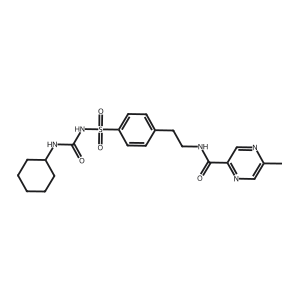
Glipizide
GLUCOTROL
Pronunciation: GLIP-i-zide
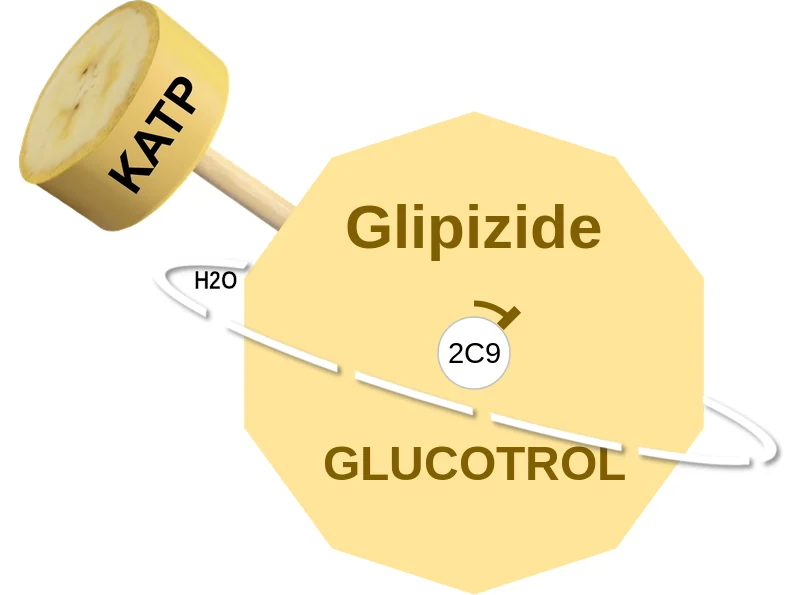
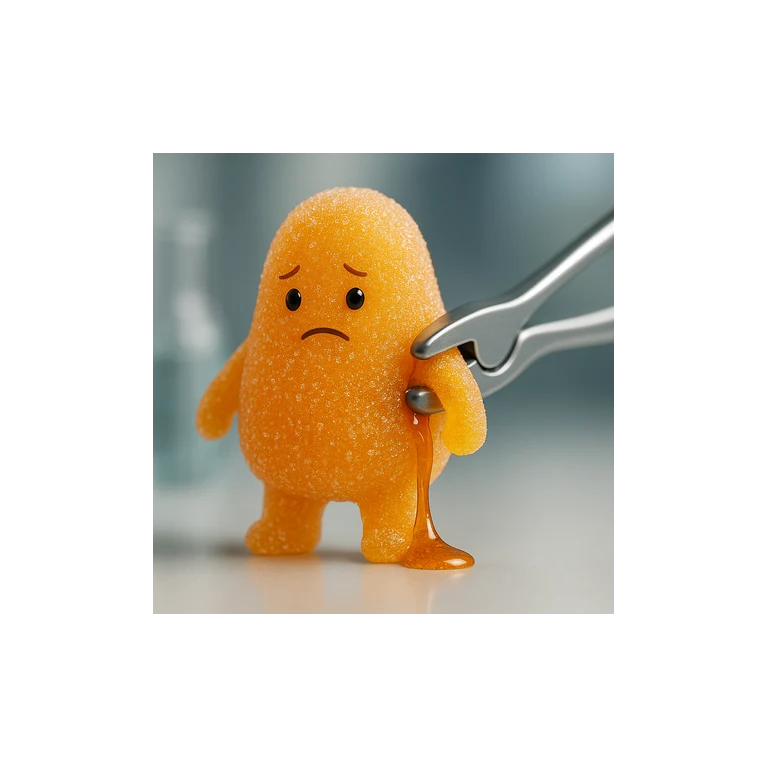
“Clip a side for glucose control”
What it isSulfonylurea that blocks beta-cell KATP channels; type 2 diabetes.
Why this oneShorter action and inactive metabolites make it the preferred sulfonylurea when age or kidney disease makes glyburide unsafe.
What limits itHypoglycemia and weight gain limit it; missed meals increase risk. It fails as beta-cell reserve declines.
Glipizide prescription history
Animated chart of estimated U.S. prescriptions per year, Diabetes meds (1923–2026). Glipizide enters in 1984 (estimated).
FDA-approved for
- type 2 diabetes (1984)
Principal riskHypoglycemia, prolonged in renal impairment
Sulfonamide
Sulfonamide-derived drug — label silent
A sulfonamide by structure, without the N4 aromatic amine or N1 heterocycle; the label carries no sulfonamide warning, and Khan lists it among drugs with no or weak evidence of cross-reactivity. Glimepiride, same bridge, is label-contraindicated.
Open the sulfonamide hypersensitivity presentation → · sources [n] are on its References slide.
Classes and tags
Clinical profile
Legacy pregnancy categoryMultiple / indication-, trimester- or formulation-dependent
Defining liabilitySevere hypoglycemia can occur, especially with excess dosing, poor intake or interacting drugs.
FDA label
Read the full label on DailyMed ↗
NO BOXED WARNINGS
| FDA dosing | Population | Start | Target | Max |
|---|---|---|---|---|
| Type 2 diabetes mellitus (adjunct to diet; IR tablets) | Adults | 5 mg QD, ~30 min before breakfast (geriatric or liver disease: 2.5 mg QD) | Minimum effective dose per blood glucose response; if single-dose response unsatisfactory, divide the dose | 15 mg QD as single dose; 40 mg/day total (divide doses >15 mg/day before meals) |
Titration At least several days between titration steps (increments of 2.5–5 mg)
Renal Conservative initial and maintenance dosing to avoid hypoglycemia
Hepatic Start 2.5 mg QD; conservative initial/maintenance dosing (hypoglycemia may be prolonged)
No fixed regimen — dose to minimum effective by blood glucose monitoring; conservative dosing in elderly, debilitated/malnourished, renal or hepatic impairment
Instructions
- Take ~30 min before a meal for greatest postprandial glucose reduction
- Divide total daily doses >15 mg and give before meals of adequate caloric content
- Administer ≥4 h before colesevelam
- Transfer from insulin: ≤20 units/day — stop insulin, start usual glipizide dose; >20 units/day — cut insulin 50% and start usual dose, then taper by response
- Transfer from long half-life sulfonylureas (e.g., chlorpropamide): watch 1–2 wk for overlapping hypoglycemia
Available strengths
- tab 5, 10 mg
Contraindications
- Type 1 diabetes mellitus
- Diabetic ketoacidosis, with or without coma (treat with insulin)
- Hypersensitivity to sulfonamide derivatives (per ER label)
Cautions
- Severe hypoglycemia — highest risk: elderly, renal impairment, debilitated/malnourished, adrenal/pituitary/hepatic insufficiency, deficient caloric intake, prolonged exercise, alcohol, combination with other antidiabetics; sympatholytics (beta-blockers) can mask warning symptoms
- Hemolytic anemia in G6PD deficiency — avoid; consider non-sulfonylurea (also reported without known G6PD deficiency)
- Possible increased cardiovascular mortality with sulfonylureas (UGDP study, tolbutamide) — inform patient of risks/alternatives
- Cholestatic jaundice / liver injury — discontinue if occurs
- No conclusive evidence of macrovascular risk reduction
Adverse reactions
- GI most common: nausea, diarrhea (~1/70); constipation, gastralgia (~1/100) — dose-related
- Hypoglycemia
- Allergic skin reactions (erythema, urticaria, pruritus, eczema ~1/70); photosensitivity; porphyria cutanea tarda
- Dizziness, drowsiness, headache (~1/50)
- Rare: cholestatic/hepatocellular liver injury with jaundice; leukopenia, agranulocytosis, thrombocytopenia, hemolytic/aplastic anemia, pancytopenia; hyponatremia/SIADH; disulfiram-like reaction (very low incidence)
Pregnancy No drug-associated major-defect signal in decades of use, but sulfonylureas cross the placenta — neonatal hypoglycemia reported; discontinue ≥2 wk before expected delivery (from ER label)
Lactation Undetectable in human milk in one small assay-limited study; monitor breastfed infants for hypoglycemia (from ER label)
Cost
Generic entry1994
Open Glipizide in the interactive console ↗
Memory aids: interaction avatars

Open Glipizide in the interactive console ↗
Self-check
- Why is glipizide preferred over glyburide in vulnerable older or kidney-disease patients?
Shorter action and inactive metabolites. - What meal pattern increases glipizide hypoglycemia risk?
Missed meals.