Migraine (acute treatment)
- Treat early in the attack
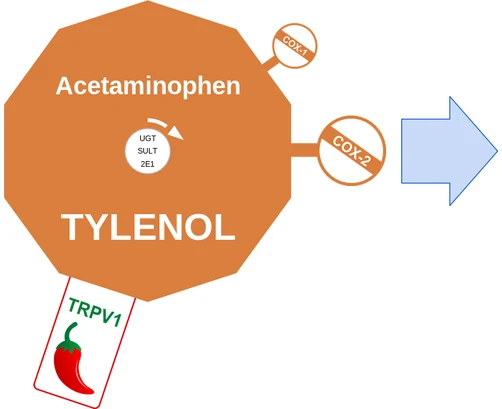
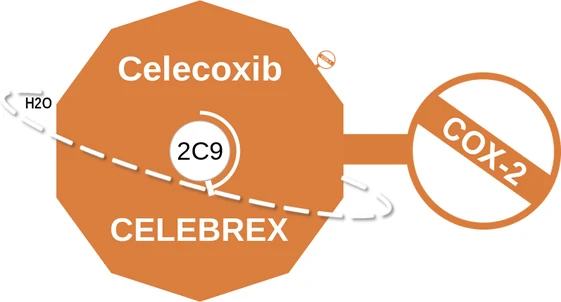
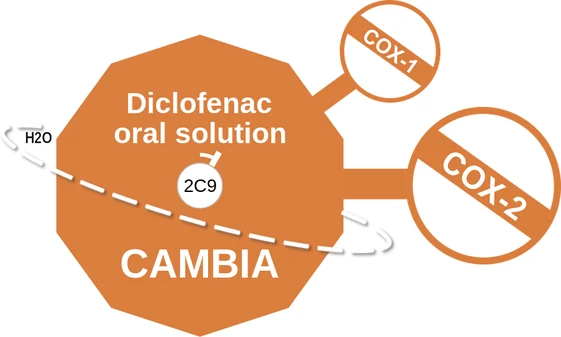
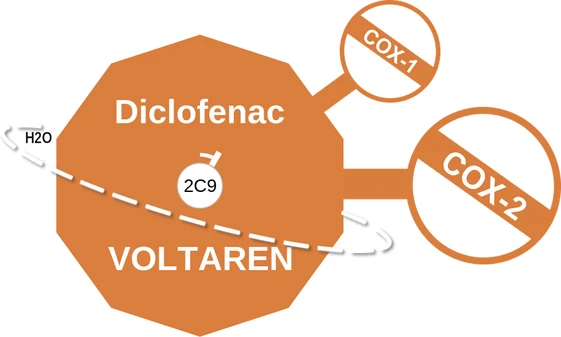
- NSAID/acetaminophen for mild–moderate pain
- Triptan for moderate–severe or NSAID failure
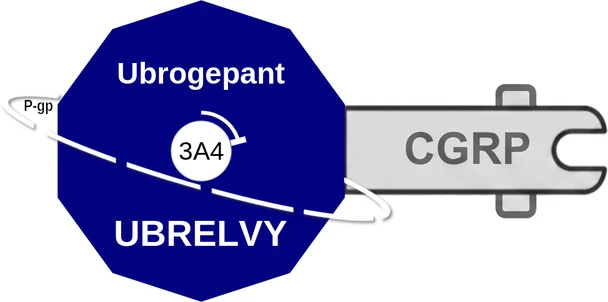
- Gepant if triptan fails/is contraindicated
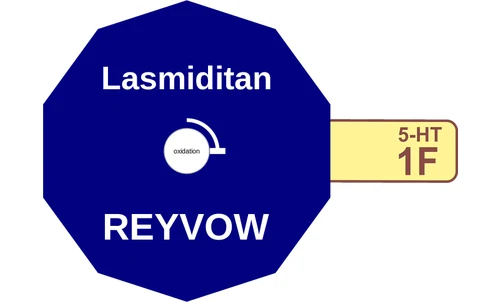
- Lasmiditan avoids vasoconstriction but sedates
- Add antiemetic when nausea is prominent
- Avoid opioids + medication overuse
Use at a glance
- Treat early in the attack
Practical pearls
- NSAID/acetaminophen for mild–moderate pain
- Triptan for moderate–severe or NSAID failure
Safety / pitfalls
- Gepant if triptan fails/is contraindicated
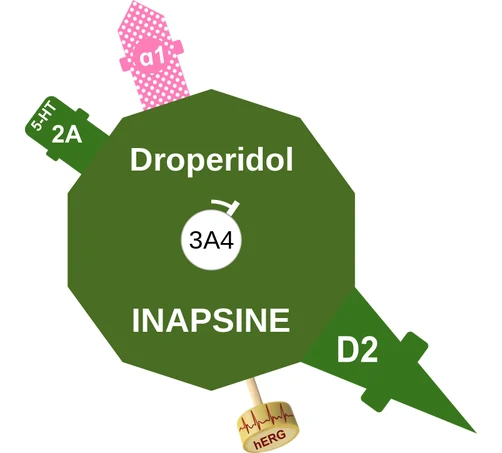
- Add antiemetic when nausea is prominent
Treatment pitfalls
- Lasmiditan avoids vasoconstriction but sedates
- Avoid opioids + medication overuse
Key points
- Mild–moderate pain: acetaminophen or NSAID usually suffices
- Avoid butalbital- and opioid-containing products
- Moderate–severe, no vascular disease: triptan + nonopioid analgesic
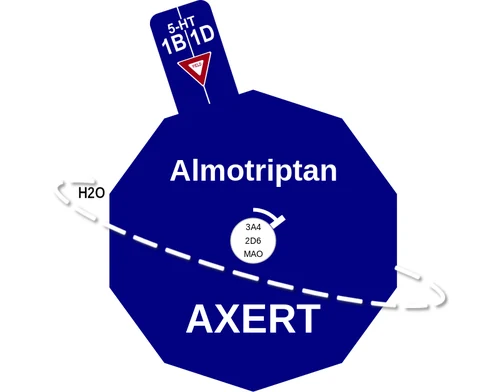
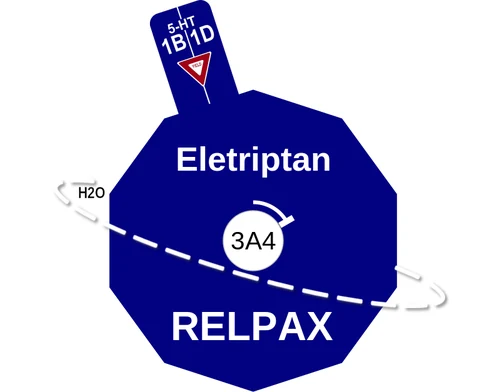
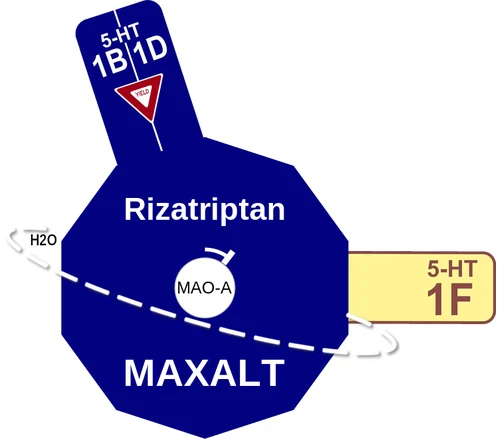
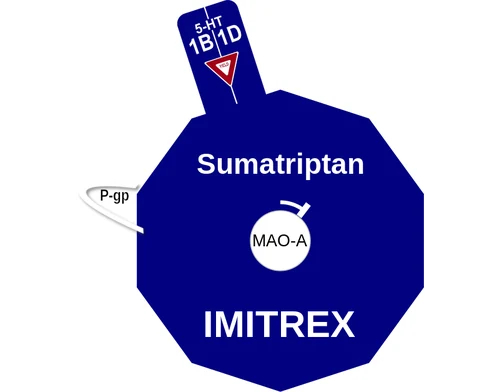
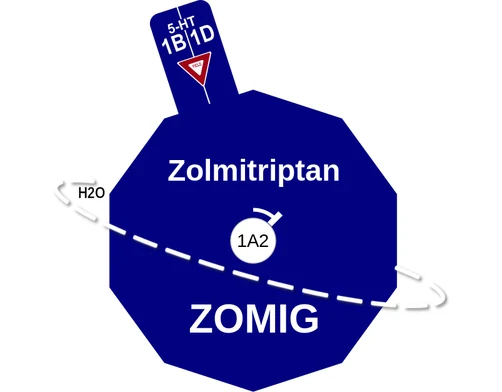
- Oral sumatriptan, almotriptan, eletriptan, rizatriptan, zolmitriptan: comparable efficacy, onset, duration
- Intranasal/injectable triptans faster; SC sumatriptan most effective, most adverse effects
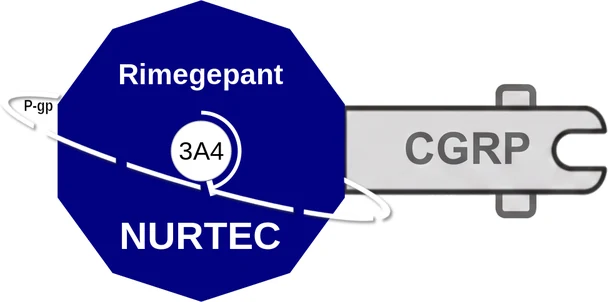
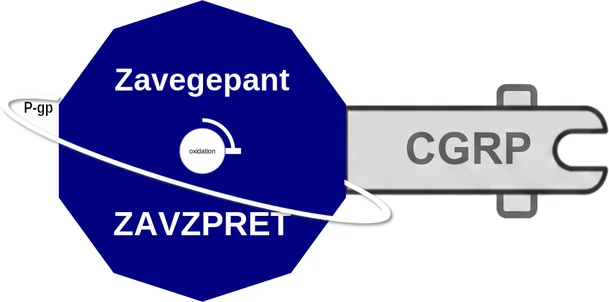
- CGRP antagonists: less effective than triptans; OK with vascular disease; no MOH
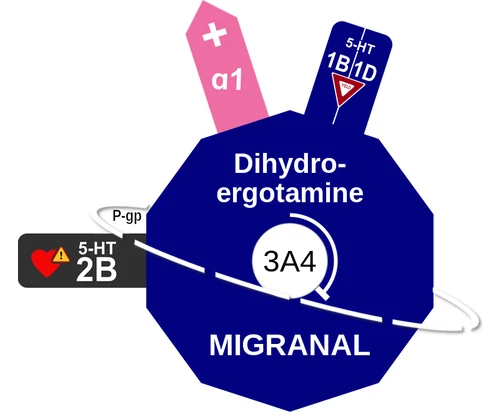
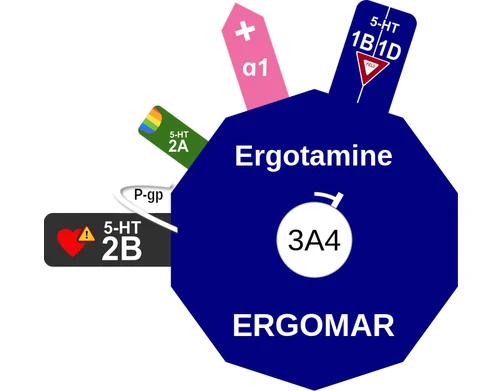
- Triptan failure → ergotamine derivatives
Pearls
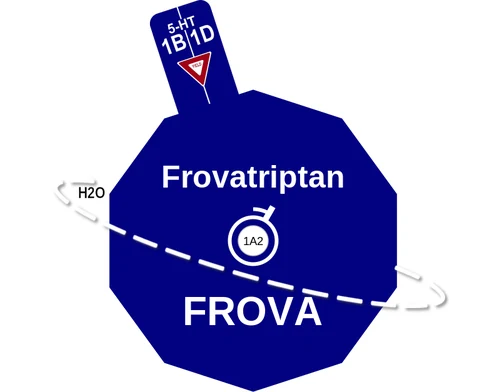
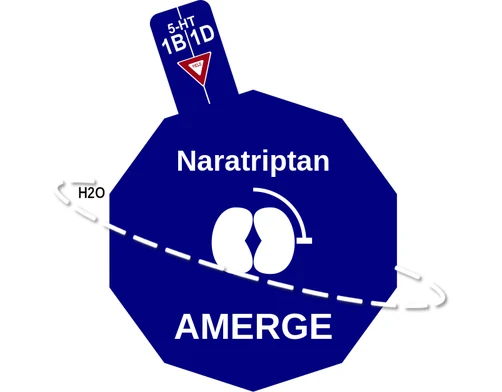
- Naratriptan, frovatriptan: gentler but slower, weaker initial relief
- Nasal zavegepant acts fastest among gepants
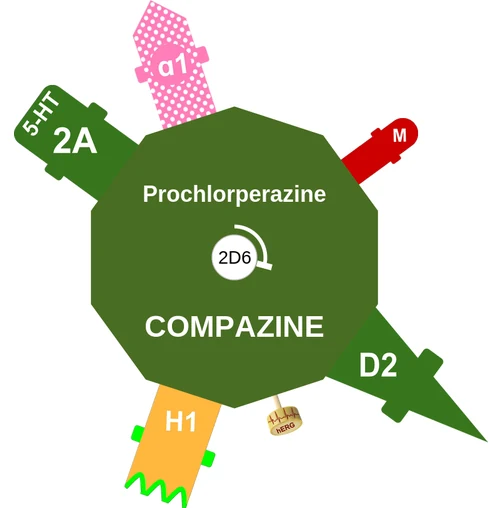
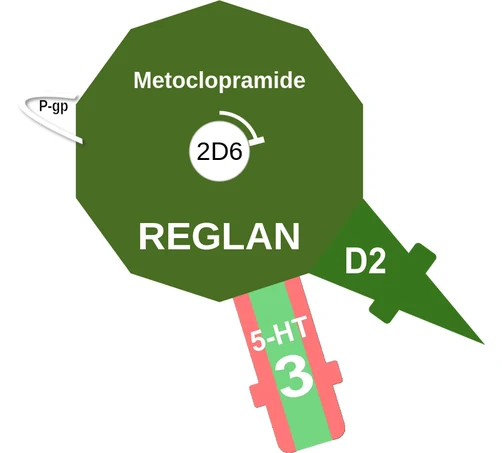
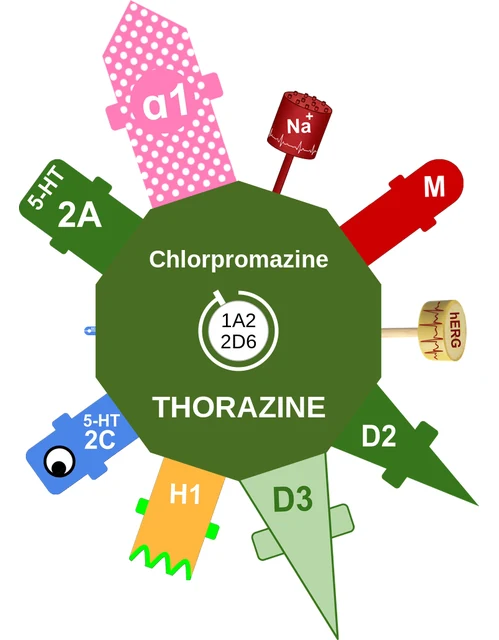
- Parenteral prochlorperazine or metoclopramide relieves pain, not just nausea
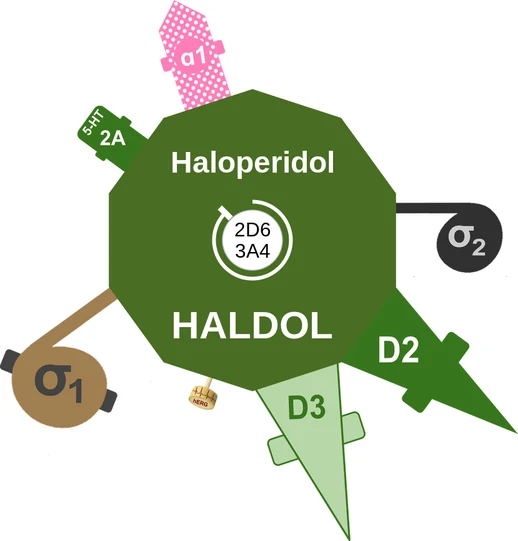
- Add diphenhydramine to curb dopamine-antagonist EPS
- After medication overuse, limit acute treatment to 2 days/week
Self-check
- When should an acute migraine attack be treated?
Early in the attack. - When is an antiemetic added for migraine?
Nausea is prominent.
Drugs used for this (27)
All clinical uses · Open Migraine (acute treatment) in the interactive console ↗