Dyslipidemia
- Treat LDL according to ASCVD risk
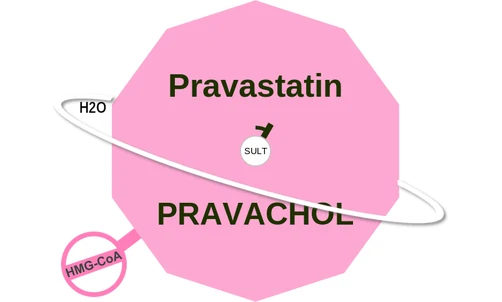
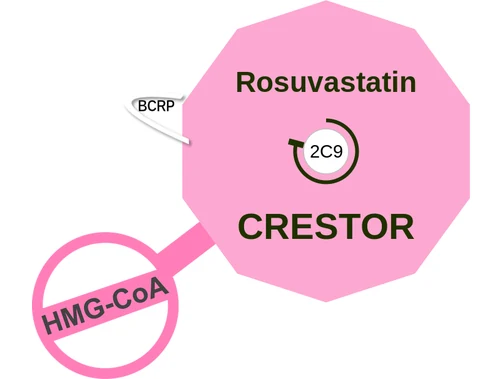
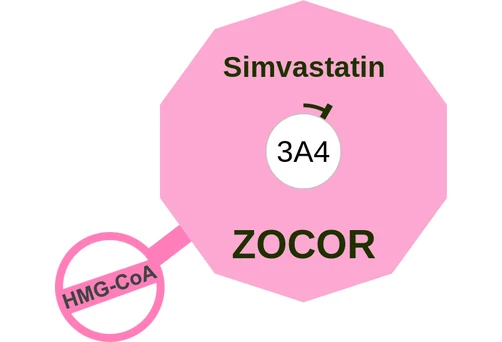
- Statin is the usual foundation
- High-risk ASCVD → high-intensity statin
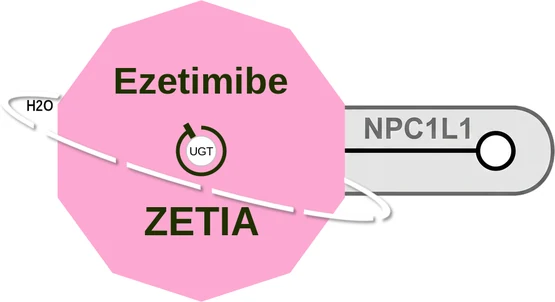
- Above goal → add ezetimibe
- Still high → PCSK9 therapy/bempedoic acid
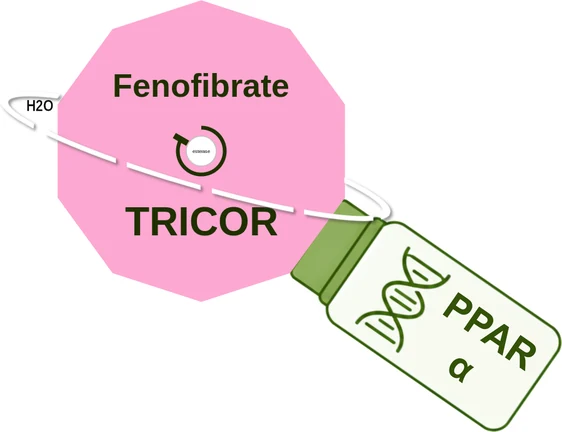
- Severe TG elevation needs pancreatitis focus
- Lifestyle + secondary causes always matter
Use at a glance
- Treat LDL according to ASCVD risk
Treatment options
- Statin is the usual foundation
Other treatment options
- Above goal → add ezetimibe
- Still high → PCSK9 therapy/bempedoic acid
- Lifestyle + secondary causes always matter
Practical pearls
- Severe TG elevation needs pancreatitis focus
Treatment sequence
- High-risk ASCVD → high-intensity statin
Key points
- Treat all ASCVD (secondary prevention); primary prevention per LDL-C and ASCVD risk
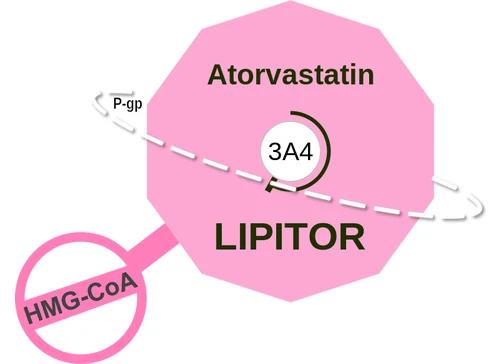
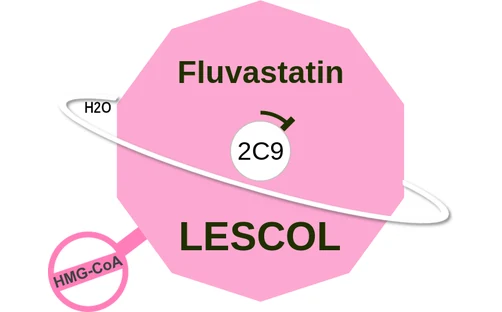
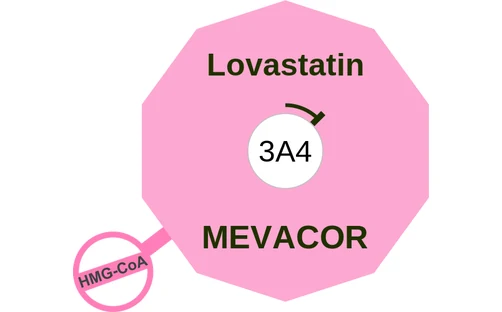
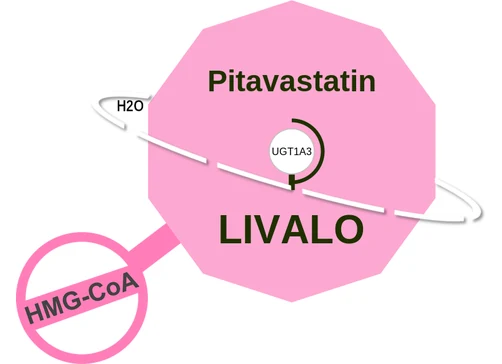
- Statin = treatment of choice; ↓ primary/secondary ASCVD events and death
- Above goal on max statin → add ezetimibe, bempedoic acid, and/or PCSK9i (alirocumab/evolocumab)
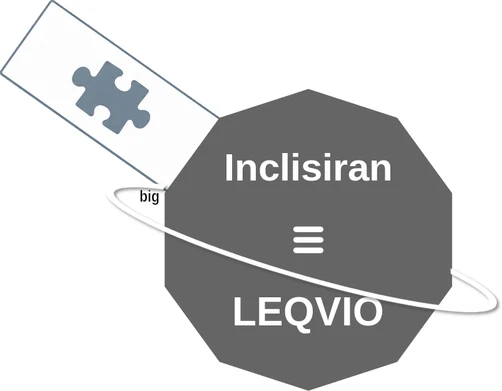
- Inclisiran or lerodalcibep: PCSK9 mAb alternatives; CV outcomes trials ongoing
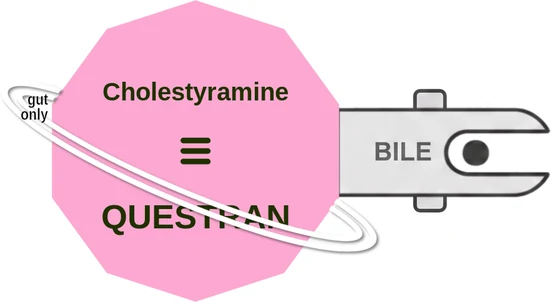
- Pregnancy/lactation: bile acid sequestrant; statin if very high ASCVD risk
Nonpharmacologic therapies
- LDL apheresis
- Modifiable risk factor management
Pearls
- Measure Lp(a) once in every adult
- Statins don't lower Lp(a); PCSK9 drugs modestly do
- Atorvastatin needs no renal dose adjustment
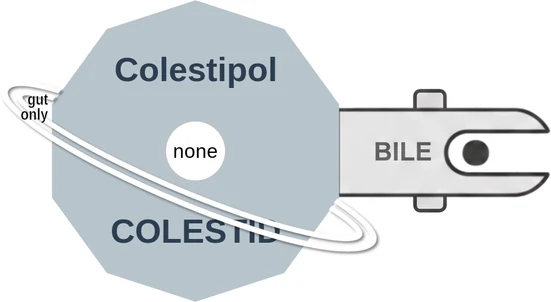
- Colesevelam better tolerated than cholestyramine or colestipol
- Very high-risk secondary prevention: LDL-C goal <55 mg/dL
Self-check
- How should LDL treatment intensity be chosen in dyslipidemia?
According to ASCVD risk. - What is commonly added if LDL remains above goal?
Ezetimibe.
Drugs used for this (20)

All clinical uses · Open Dyslipidemia in the interactive console ↗