QT prolongation
Drug-induced QT prolongation
What a long QT means
Slow repolarization, and the arrhythmia it invites
- The QT interval is ventricular depolarization plus repolarization; corrected for rate it is QTc, and the common ceilings are about 450 ms in men and 460 ms in women [1][2]
- A QTc above 500 ms, or a rise of more than 60 ms after a drug is started, is the threshold at which a drug is usually stopped [1][2]
- Prolonged repolarization allows early afterdepolarizations; a pause then a beat can trigger torsades de pointes — a twisting polymorphic VT that is usually self-limited and sometimes is not [2][3]
- Torsades needs a substrate as well as a drug: the same dose does nothing in most patients and kills one in a very few [3]
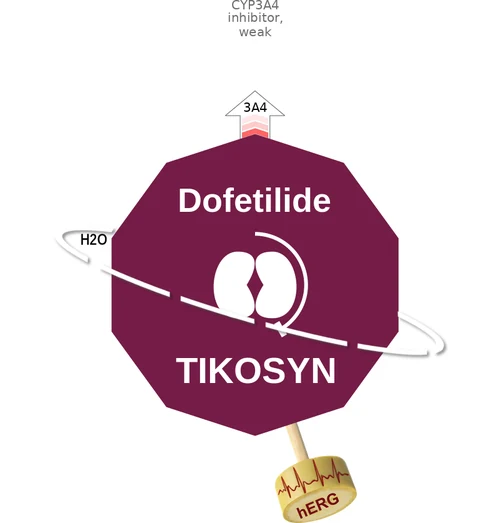
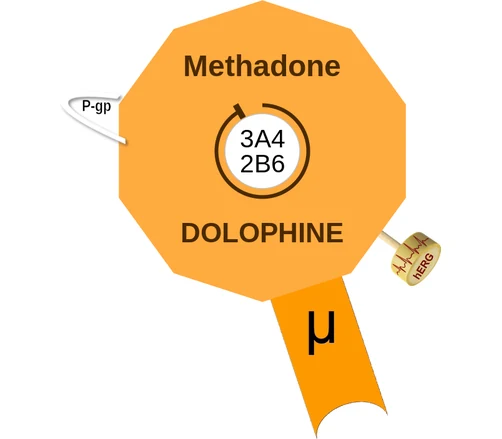
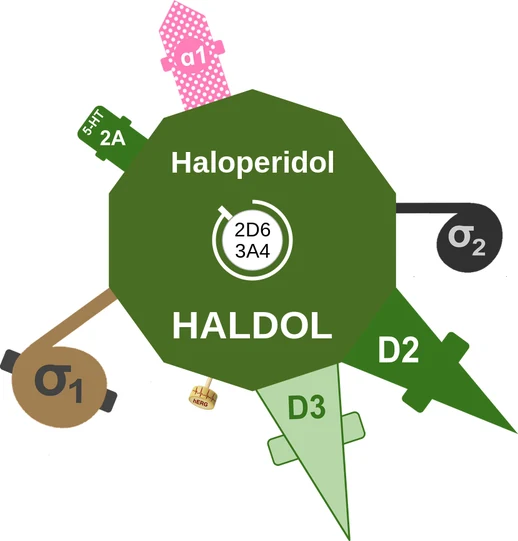
Why hERG catches so many drugs
The channel with a promiscuous pore
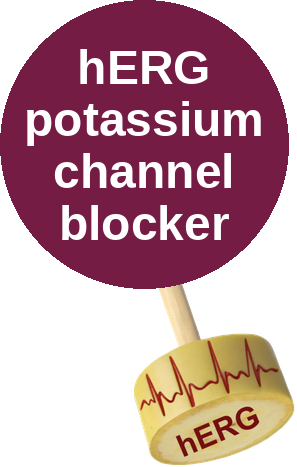
- Phase-3 repolarization runs on two potassium currents, IKr (the hERG/KCNH2 channel) and IKs (KCNQ1); losing either shrinks the "repolarization reserve" [3][4]
- The hERG pore is unusually wide and lined with aromatic residues (Tyr652, Phe656) that stack against the rings of many unrelated drugs — antiarrhythmics, antipsychotics, antihistamines, macrolides, antifungals, antiemetics [4]
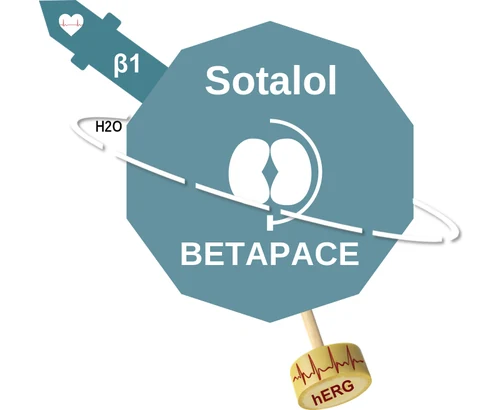
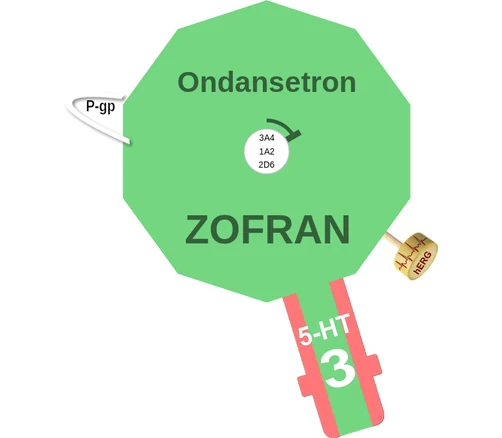
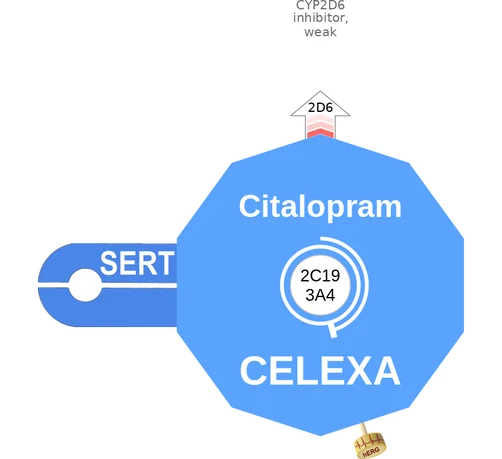
- This is the mechanism the hERG peg marks, sized by the expected QTc change; CredibleMeds sorts the same drugs into known, possible and conditional risk of torsades [5]
Route 2 — hERG trafficking, not the pore
The channel never reaches the membrane
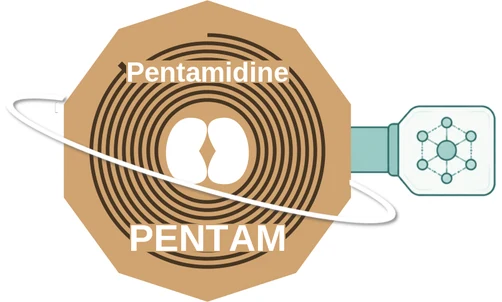
- Pentamidine does not block the open hERG pore; it stops newly made channels from reaching the cell surface, so the current falls over days rather than minutes [6]
- Arsenic trioxide and probucol act the same way; the QT lengthens late and stays long after the drug is gone [6]
- Because the peg means pore block, these carry no hERG peg — they live on the interaction list instead
Route 3 — gene expression: the HDAC inhibitors
A different lever on the same currents
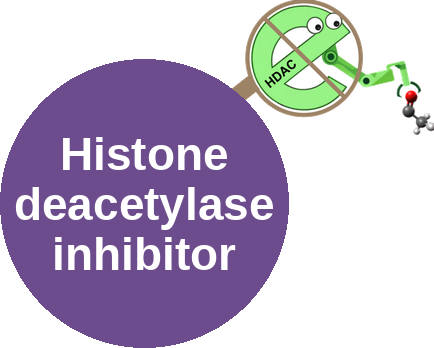
- Histone deacetylase inhibition changes transcription of ion-channel genes; repolarization slows without any direct channel block [7]
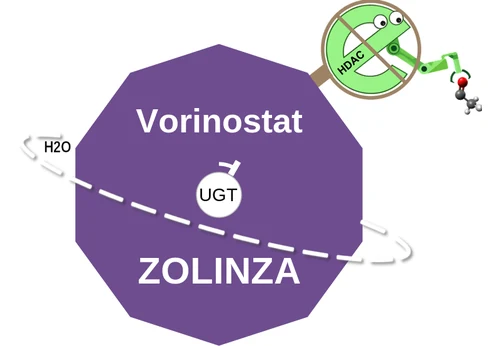
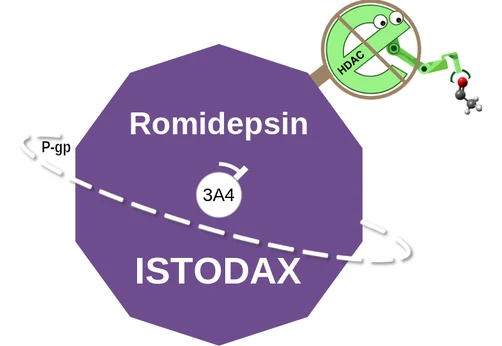
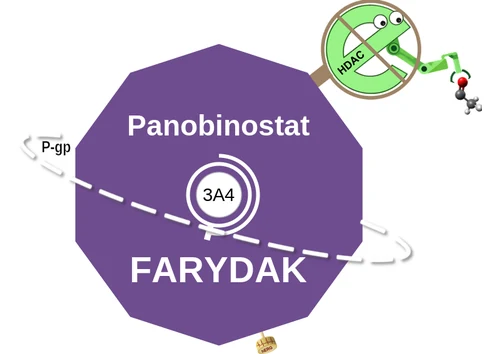
- Romidepsin, vorinostat, panobinostat and givinostat all carry the warning; the HDAC card, not the hERG card, owns it [7]
Route 4 — hormones: androgen deprivation
Testosterone shortens the QT; taking it away lengthens it
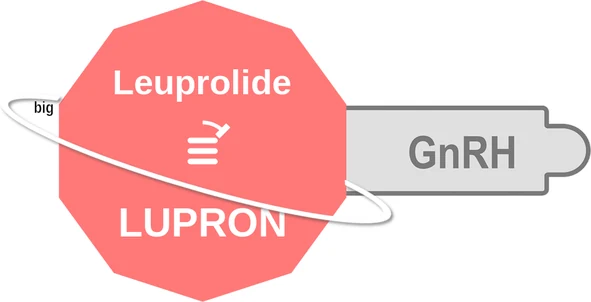
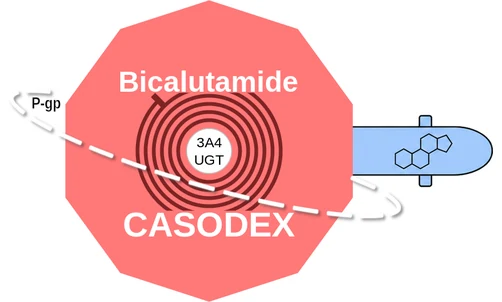
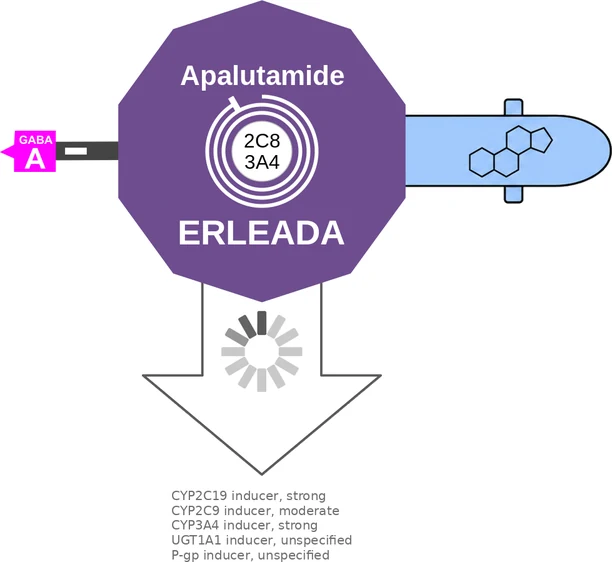
- Men have shorter QT intervals than women from puberty on, and androgen deprivation removes that protection: GnRH agonists and antiandrogens lengthen QTc as a class [8][11]
- The effect is modest in most men and matters when it stacks with a hERG blocker or low potassium [8]
Route 5 — heart rate
Slow the heart and the QT lengthens with it
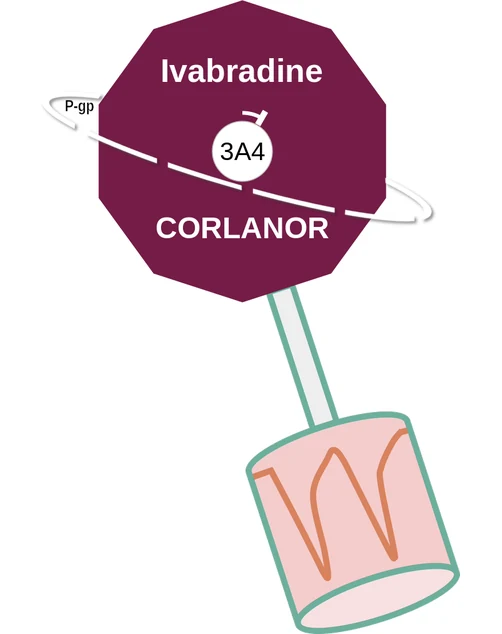
- The QT lengthens at slower rates, and torsades is pause-dependent, so drugs that slow the sinus node raise the risk without touching a potassium channel [2][10]
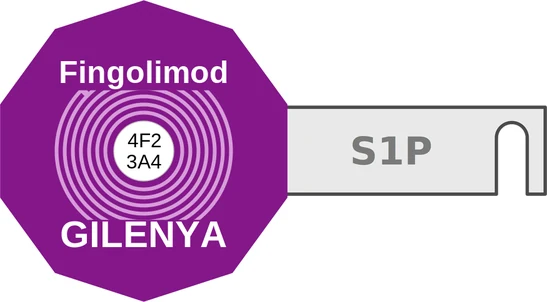
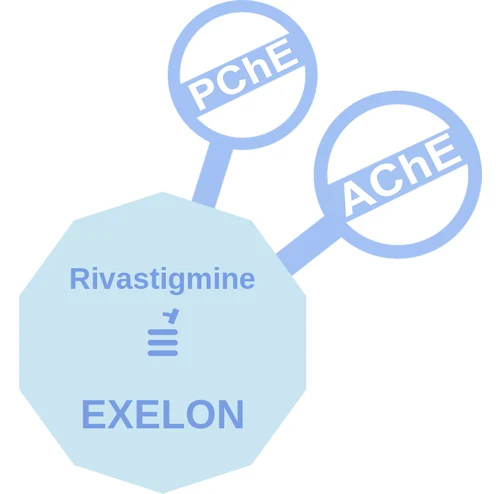
- Ivabradine (HCN4 block), fingolimod (first-dose bradycardia and AV block) and the cholinesterase inhibitors are the drug examples; beta blockers and digoxin amplify other drugs the same way [10]
Route 6 — ischemia and vasospasm
The fluoropyrimidines
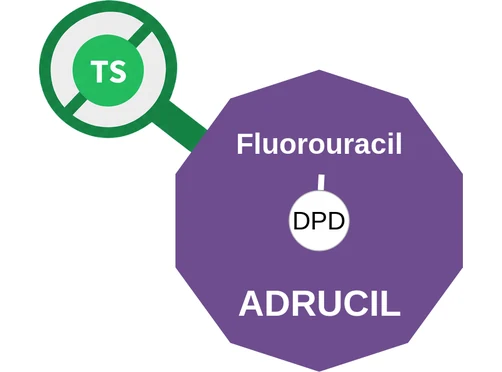
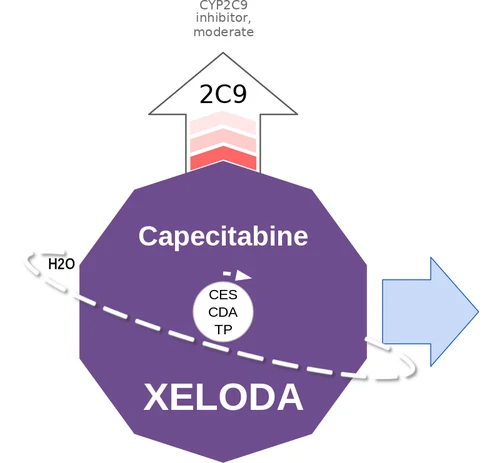
- Fluorouracil and its prodrug capecitabine cause coronary vasospasm and endothelial injury; chest pain, ST change and QT prolongation follow during the infusion [9]
- Not a channel effect: it resolves with the infusion and recurs on rechallenge [9]
Route 7 — a QT that is really a QRS
Conduction slowing, mislabeled
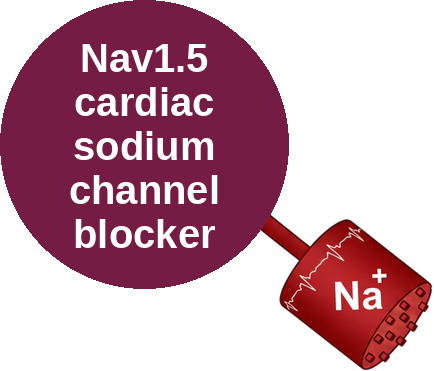
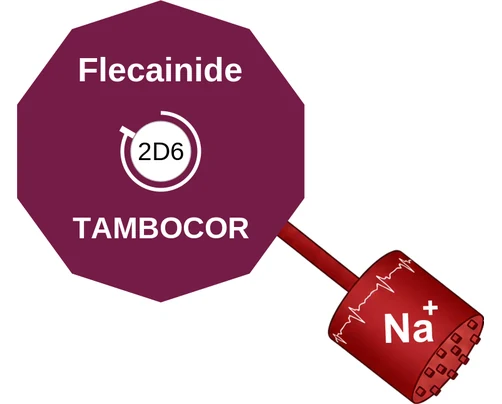
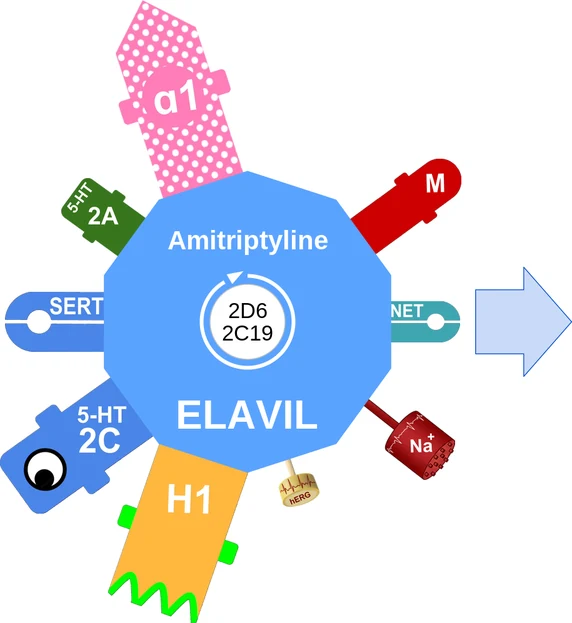
- The QT is measured from the start of the QRS, so anything that widens the QRS lengthens the QT even when repolarization is normal — flecainide, propafenone and the tricyclics in overdose [2]
- The danger there is wide-complex ventricular arrhythmia, not torsades; the Nav1.5 card owns it
The amplifiers
What turns a modest QT drug into torsades
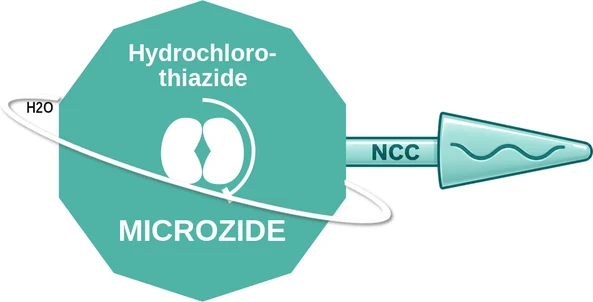
- Low potassium and low magnesium — diuretics, vomiting, laxative misuse — reduce repolarization reserve; the AHA targets are potassium ≥ 4.0 and magnesium ≥ 2.0 mmol/L in patients at risk [1][2]
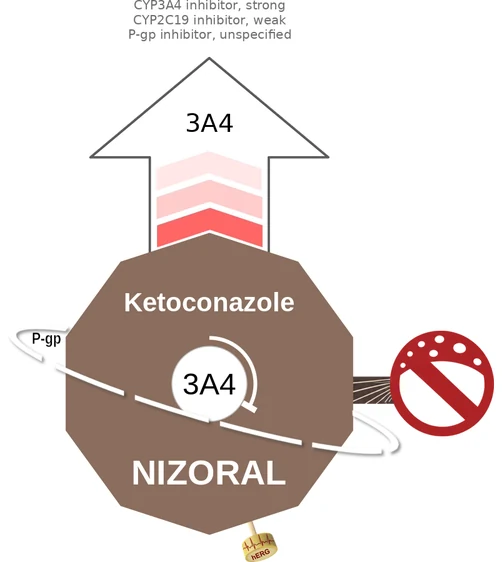
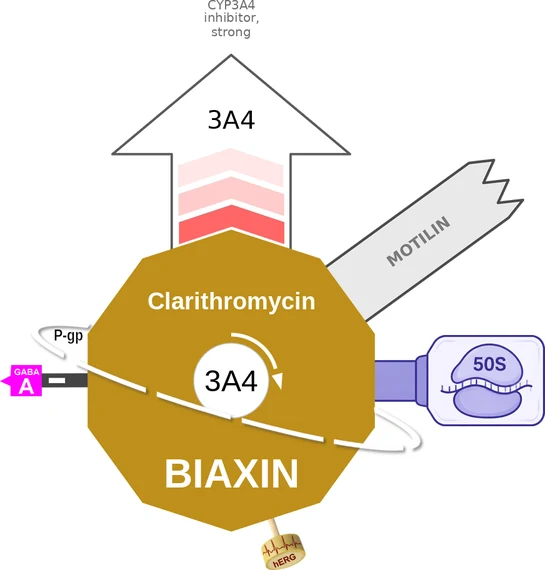
- CYP3A4 inhibitors raise the level of a hERG blocker that depends on 3A4 — the terfenadine and cisapride story that took both drugs off the market [3]
- Female sex, older age, bradycardia, structural heart disease, congenital long-QT, renal or hepatic impairment, IV or high doses, and any second QT-prolonging drug [1][2]
What to do
Before, during, and if torsades happens
- Baseline ECG and electrolytes before a high-risk drug; repeat at steady state or after a dose change; correct potassium and magnesium first [1][2]
- Stop or reduce the drug at QTc > 500 ms or a rise > 60 ms; look for the second drug, the inhibitor and the diuretic [1][2]
- Torsades: IV magnesium sulfate 2 g, even with a normal magnesium; temporary pacing or isoproterenol to raise the rate; defibrillate if unstable; never a class IA or III antiarrhythmic [2]
- CredibleMeds is the reference list for whether a drug carries known, possible or conditional risk [5]
References
Numbered as cited on the slides
- [1] Drew BJ, et al. Prevention of torsade de pointes in hospital settings: a scientific statement from the AHA and the ACC Foundation. Circulation 2010;121:1047–1060
- [2] Tisdale JE, et al. Drug-induced arrhythmias: a scientific statement from the American Heart Association. Circulation 2020;142:e214–e233
- [3] Roden DM. Drug-induced prolongation of the QT interval. N Engl J Med 2004;350:1013–1022
- [4] Sanguinetti MC, Tristani-Firouzi M. hERG potassium channels and cardiac arrhythmia. Nature 2006;440:463–469
- [5] Woosley RL, Heise CW, Romero KA. QTdrugs list, CredibleMeds (AZCERT), crediblemeds.org
- [6] Kuryshev YA, et al. Pentamidine-induced long QT syndrome and block of hERG trafficking. J Pharmacol Exp Ther 2005;312:316–323
- [7] Shah MH, et al. Cardiotoxicity of histone deacetylase inhibitor depsipeptide in patients with metastatic neuroendocrine tumors. Clin Cancer Res 2006;12:3997–4003
- [8] Gagliano-Jucá T, et al. Androgen deprivation therapy is associated with prolongation of QTc interval in men with prostate cancer. J Endocr Soc 2018;2:485–496
- [9] Sara JD, et al. 5-fluorouracil and cardiotoxicity: a review. Ther Adv Med Oncol 2018;10:1758835918780140
- [10] Ivabradine (CORLANOR) and fingolimod (GILENYA) prescribing information: bradycardia and QT prolongation warnings
- [11] Leuprolide, bicalutamide and apalutamide prescribing information: QT prolongation with androgen deprivation therapy
This is a topic, not a peg. The hERG blocker card marks the drugs that block the hERG pore; this presentation covers that route and the six others, and the INTERACTIONS list "QTc prolongation" carries all of them.