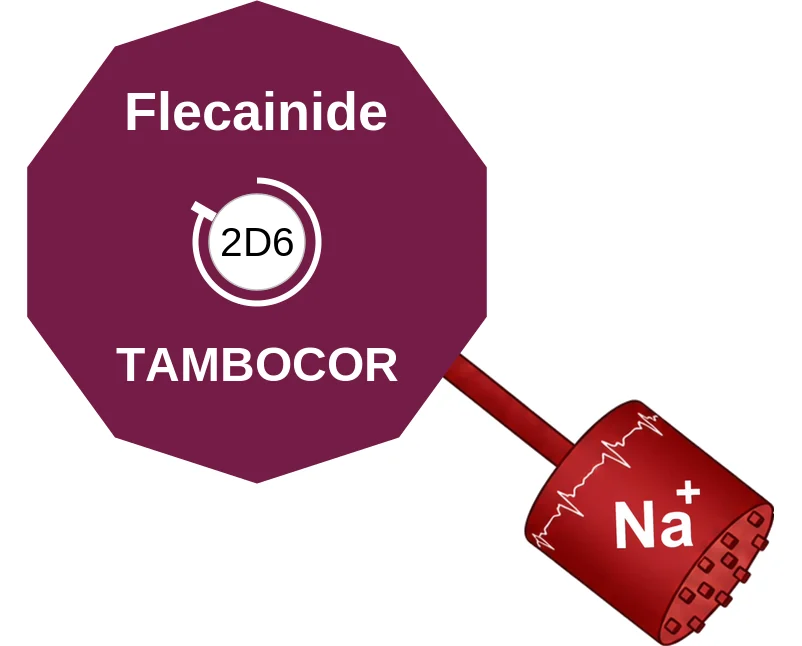
Flecainide
TAMBOCOR
Pronunciation: FLEK-a-nide
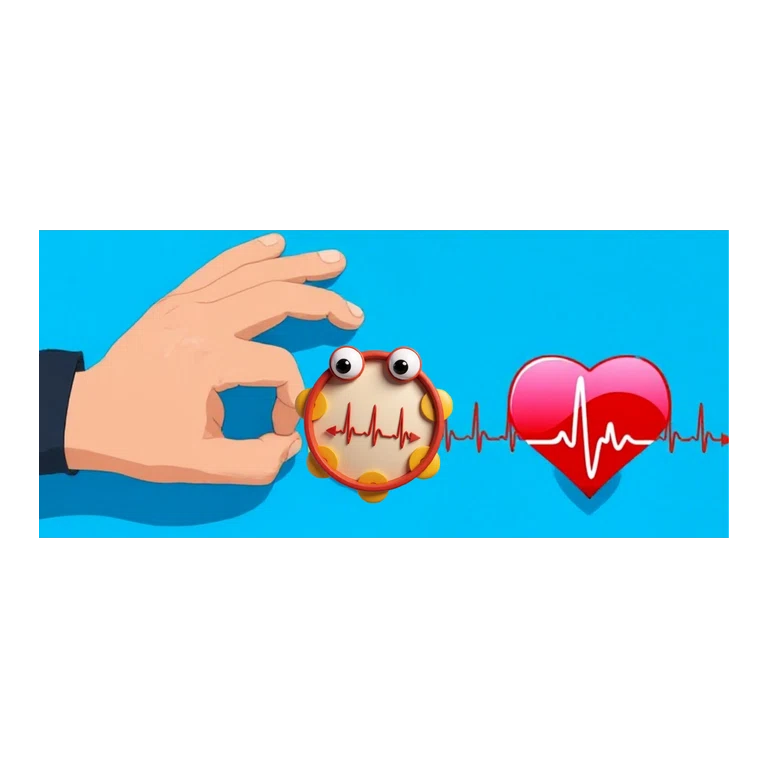
“Flickin’ a Tambo-cord”
What it isClass IC sodium channel blocker; atrial fibrillation in structurally normal hearts, and SVT.
Why this oneEffective as a pill-in-the-pocket cardioversion strategy, which few agents allow.
What limits itAvoid in structural or ischemic heart disease; for atrial fibrillation, pair it with an AV nodal blocker to prevent 1:1 flutter conduction.
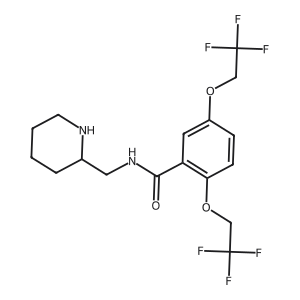
Flecainide prescription history
Animated chart of estimated U.S. prescriptions per year, Antiarrhythmics (class I/III) (1930–2026). Flecainide enters in 1985 (estimated).
FDA-approved for
- arrhythmias (1985)
Classes and tags
Clinical profile
Legacy pregnancy categoryC
Defining liabilityProarrhythmia and sodium-channel blockade can cause wide-complex dysrhythmia and cardiogenic shock.
FDA label
Read the full label on DailyMed ↗
| FDA dosing | Population | Start | Target | Max |
|---|---|---|---|---|
| PSVT / PAF | Adults | 50 mg q12h | increase 50 mg BID q4 days to response | 300 mg/day |
| Sustained VT | Adults | 100 mg q12h | increase 50 mg BID q4 days to response | 400 mg/day |
| Arrhythmias | Peds <6 months | ~50 mg/M2/day divided BID–TID | 200 mg/M2/day | |
| Arrhythmias | Peds >6 months | up to 100 mg/M2/day divided | 200 mg/M2/day |
Titration Increase no more frequently than every 4 days
Renal Severe (CrCl ≤35 mL/min/1.73m²): 100 mg QD or 50 mg BID; less severe: 100 mg q12h; monitor plasma levels
Hepatic Severe hepatic disease: elimination markedly slower; plasma level monitoring required
Loading dose not recommended
Instructions
- For sustained VT, initiate in hospital with rhythm monitoring
- With concurrent amiodarone, reduce flecainide dose by 50% and monitor
- When switching from another antiarrhythmic, allow 2–4 plasma half-lives of the prior drug before starting
Available strengths
- tab 50, 100, 150 mg
Contraindications
- Preexisting 2nd- or 3rd-degree AV block, or RBBB with left hemiblock (bifascicular block), unless a pacemaker is present
- Cardiogenic shock
Cautions
- Proarrhythmia — new or worsened ventricular/supraventricular arrhythmias
- Increased mortality post-MI (CAST)
- New or worsened CHF / myocardial dysfunction
- Risk rises with trough plasma levels >1 mcg/mL
- Second- or third-degree AV block, bradycardia, sinus pause/arrest
Adverse reactions
- Dizziness
- Visual disturbances
- Dyspnea
- Headache
- Nausea
- Fatigue
- Palpitation
- Chest pain
- Tremor
Pregnancy Undefined
Lactation Undefined
Cost
Generic entry2001
Open Flecainide in the interactive console ↗
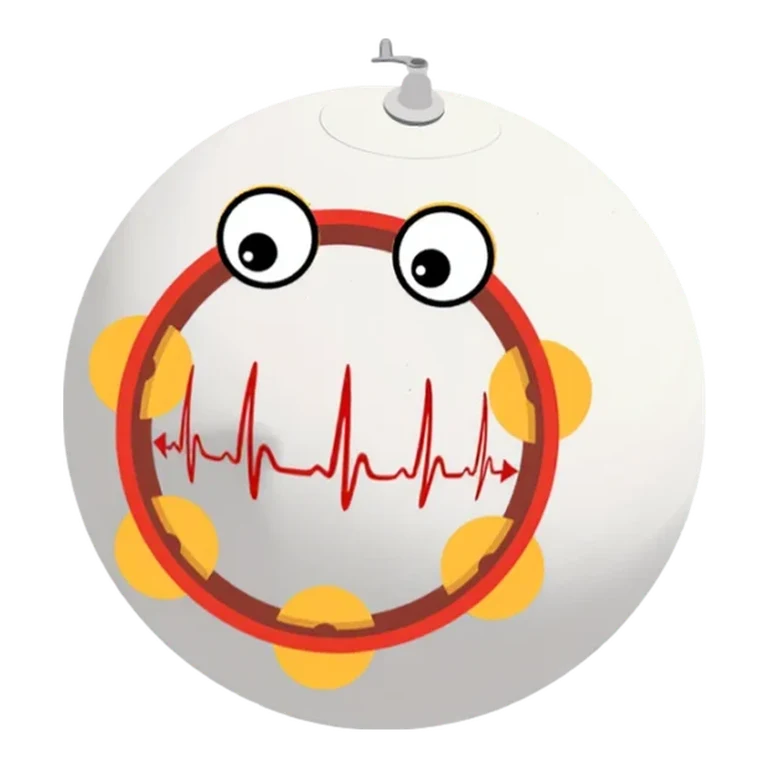
Memory aids: interaction avatars

Open Flecainide in the interactive console ↗
Self-check
- Which heart disease contexts rule out flecainide here?
Structural or ischemic heart disease. - Why pair flecainide with an AV-nodal blocker in AF?
Prevent 1:1 atrial flutter conduction.