Clarithromycin
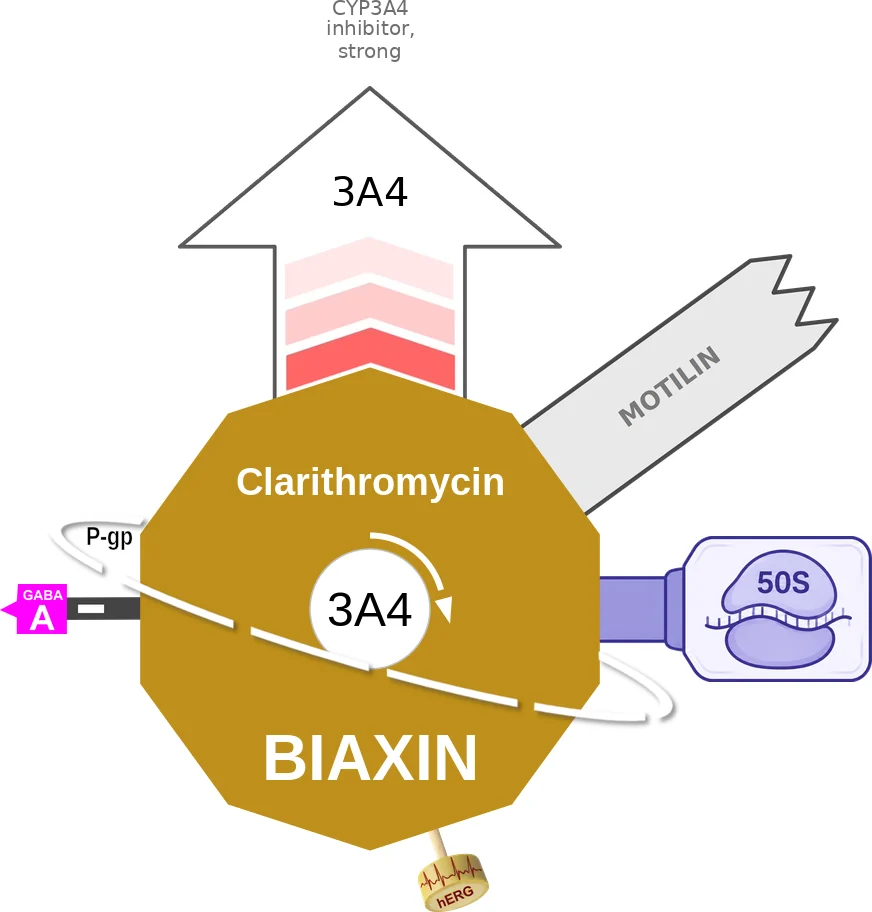
BIAXIN
Pronunciation: kla-RITH-roe-mye-sin
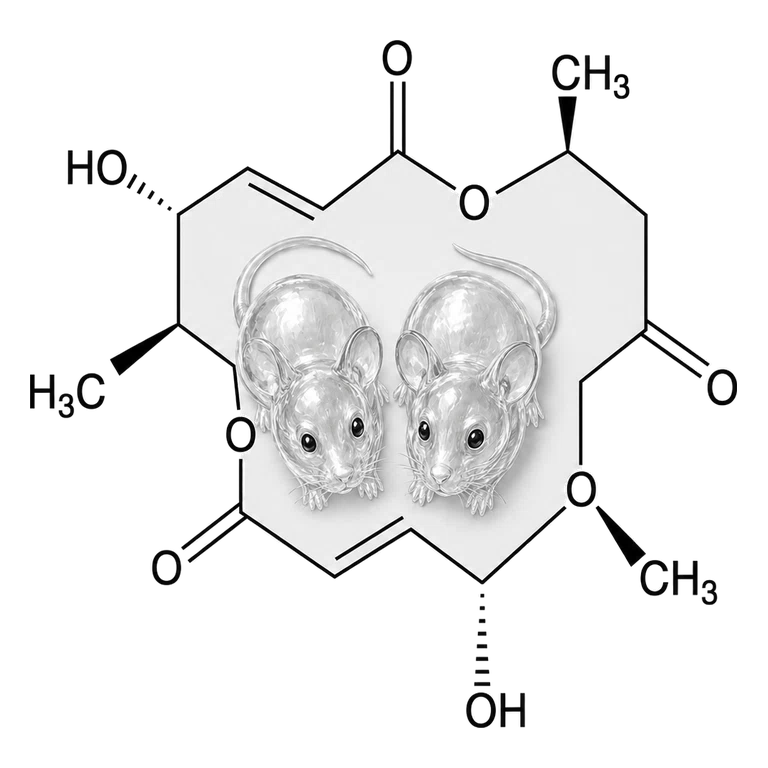
“Clear mice in there (By accident)”
“throw your mice in” macrolide scaffold
What it isMacrolide inhibiting the bacterial 50S subunit; respiratory and mycobacterial infections.
Why this oneIts Gram-positive activity and role in Helicobacter pylori regimens distinguish it from azithromycin.
What limits it⚑ It strongly inhibits CYP3A4—colchicine can become fatal in renal impairment. QT prolongation adds another interaction hazard.
Pearls
- Avoid in coronary artery disease: excess cardiac events and death.
- Avoid in pregnancy: teratogenic in animals.
- Abnormal taste common.
Clarithromycin prescription history
Animated chart of estimated U.S. prescriptions per year, Antibacterials (systemic) (1938–2026). Clarithromycin enters in 1991 (estimated).
FDA-approved for
- bacterial infections (1991)
Principal riskA strong CYP3A4 inhibitor; QT prolongation
Classes and tags
Clinical profile
Legacy pregnancy categoryC
Defining liabilityStrong CYP3A inhibition and QT prolongation create major interaction risk.
FDA label
Read the full label on DailyMed ↗
NO BOXED WARNINGS
| FDA dosing | Population | Start | Target | Max |
|---|---|---|---|---|
| Respiratory/skin infections (bronchitis, sinusitis, pneumonia, pharyngitis, skin) | Adults | 250–500 mg BID | 250–500 mg every 12 h × 7–14 days | |
| Acute otitis media / pediatric infections | Pediatric | 15 mg/kg/day divided BID | 15 mg/kg/day divided every 12 h × 10 days | Up to adult dose |
| Disseminated MAC (treatment/prophylaxis) | Adults & pediatric | 500 mg BID (adults) | 500 mg every 12 h (adults); 7.5 mg/kg every 12 h (pediatric) | 500 mg BID (pediatric) |
| H. pylori eradication / duodenal ulcer (combination therapy) | Adults | 500 mg every 8–12 h | 500 mg every 8–12 h × 10–14 days with a PPI ± amoxicillin |
Renal Severe (CrCl <30 mL/min): reduce dose 50%. With atazanavir/ritonavir: reduce 50% (moderate) or 75% (severe).
Hepatic No adjustment needed in hepatic impairment with normal renal function.
Instructions
- May be given with or without food
Available strengths
- tab 250, 500 mg
- susp 125, 250 mg/5 mL
- ER tab 500 mg
Contraindications
- Concomitant cisapride or pimozide
- History of cholestatic jaundice/hepatic dysfunction with prior clarithromycin
- Concomitant colchicine in patients with renal or hepatic impairment
- Concomitant lomitapide, lovastatin, or simvastatin
- Concomitant ergotamine or dihydroergotamine
- Concomitant lurasidone
Cautions
- QT prolongation/torsades de pointes
- Hepatotoxicity
- Serious drug interactions (CYP3A4 substrates)
- Increased all-cause mortality in coronary artery disease
- C. difficile-associated diarrhea
- Exacerbation of myasthenia gravis
Adverse reactions
- Abdominal pain
- Diarrhea
- Nausea
- Vomiting
- Dysgeusia (abnormal taste)
Pregnancy Not recommended in pregnancy except when no alternative therapy is appropriate; animal malformations at clinically relevant doses.
Lactation Undefined.
Cost
Generic entry2004
Open Clarithromycin in the interactive console ↗
Memory aids: interaction avatars
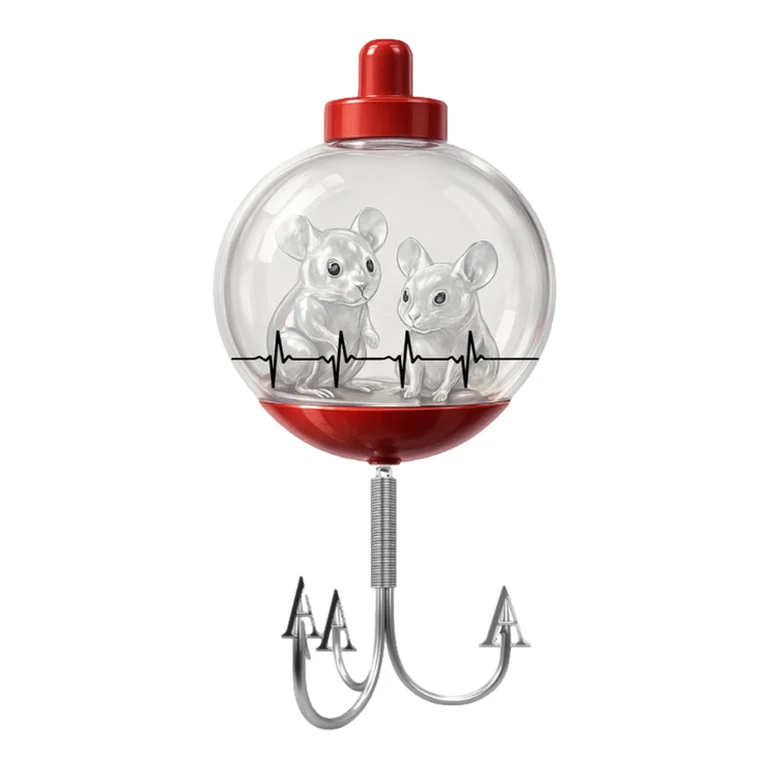
Open Clarithromycin in the interactive console ↗
Self-check
- Which enzyme does clarithromycin strongly inhibit?
CYP3A4. - Which drug can become fatal with clarithromycin in renal impairment?
Colchicine.