Primidone
MYSOLINE
Pronunciation: PRI-mi-doen
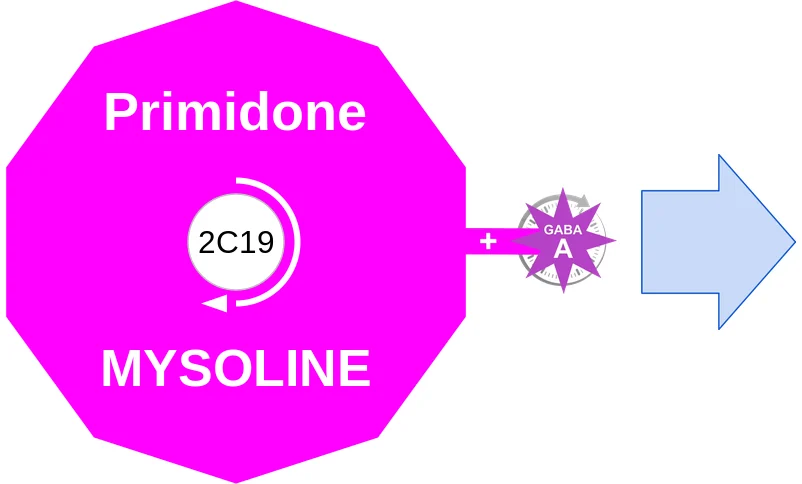

“Prima donna’s Missile line”
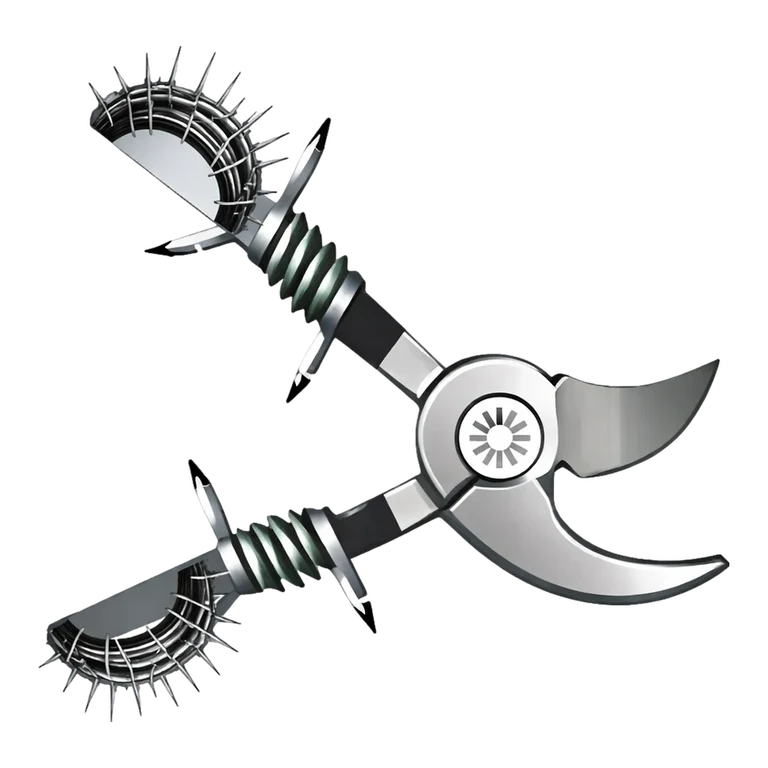
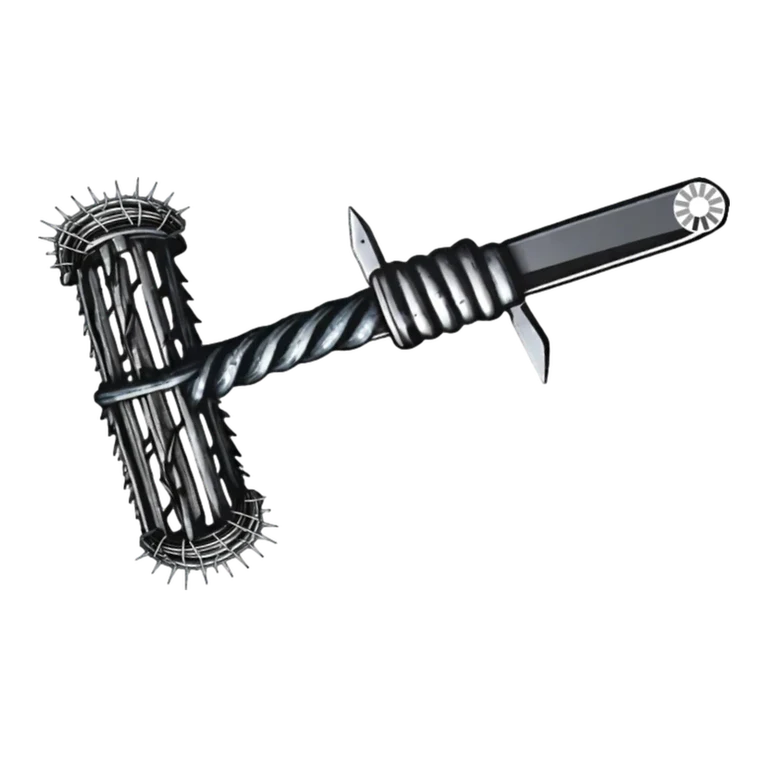
“Shredder” inducer
Metabolized to phenobarbital, similar theme
Pan-inducer, affecting substrates shown on the paper
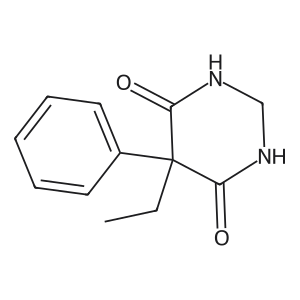
What it isDeoxybarbiturate antiepileptic that is active on its own; only 15–25% is oxidized to phenobarbital, most of a dose leaves unchanged, and the largest metabolite, PEMA, is inert in tremor.
Why this oneWith propranolol it is one of only two first-line treatments for essential tremor, and the tremor effect is primidone’s own: one dose quiets tremor for up to a day while phenobarbital and PEMA are still barely measurable. Not a controlled substance.
What limits itA severe acute reaction on the first dose is common, so start at a fraction of the target. It is an enzyme inducer through its phenobarbital metabolite.
Primidone prescription history
Animated chart of estimated U.S. prescriptions per year, Antiseizure meds (1869–2026). Primidone enters in 1954 (estimated).
FDA-approved for
- seizures (~1954)
Off-label
- essential tremor
Principal riskSedation; converts to phenobarbital
Classes and tags
Clinical profile
Legacy pregnancy categoryD
Defining liabilitySedation, dependence and phenobarbital-mediated respiratory/CNS depression in overdose.
FDA label
Read the full label on DailyMed ↗
NO BOXED WARNINGS
| FDA dosing | Population | Start | Target | Max |
|---|---|---|---|---|
| Epilepsy (grand mal, psychomotor, focal), no prior treatment | Adult & child ≥8 yr | 100-125 mg QHS | 250 mg TID | 500 mg QID (2000 mg/day) |
| Epilepsy | Pediatric <8 yr | 50 mg QHS | 125-250 mg TID (or 10-25 mg/kg/day divided) | 250 mg TID |
Titration Increase approximately every 3 days per initiation schedule (Days 1-3, 4-6, 7-9, then maintenance)
Renal Undefined
Hepatic Undefined
Target serum primidone level 5-12 mcg/mL
Instructions
- When adding to another anticonvulsant, start 100-125 mg QHS and titrate up as the other drug is tapered; complete transition over ≥2 weeks
Available strengths
- tab 50, 125, 250 mg
Contraindications
- Porphyria
- Hypersensitivity to phenobarbital
Cautions
- Early ataxia and vertigo (usually transient)
- Sedation/drowsiness
- Rare blood dyscrasias (granulocytopenia, agranulocytosis, red-cell aplasia)
- Megaloblastic anemia (responds to folic acid)
Adverse reactions
- Ataxia, vertigo
- Nausea, anorexia, vomiting
- Fatigue, drowsiness, hyperirritability
- Diplopia, nystagmus
- Rare agranulocytosis, megaloblastic anemia, morbilliform rash
Pregnancy Undefined
Lactation Undefined
Cost
Generic entry2001
Active metabolites
Open Primidone in the interactive console ↗
Memory aids: interaction avatars


Open Primidone in the interactive console ↗
Self-check
- Primidone: What fraction is oxidized to phenobarbital?
15–25%. - Primidone: Which molecule produces its tremor effect?
Primidone itself.