CYP2C19 interactions
CYP2C19 clears the proton pump inhibitors, several antidepressants and clopidogrel — and its poor-metabolizer phenotype is common enough to meet regularly.
Roughly 2 to 5 per cent of people of European ancestry are poor metabolizers, rising to 15 to 20 per cent in East Asian populations. For most substrates that simply means higher levels: escitalopram and citalopram accumulate, which is why their maximum doses are lowered in known poor metabolizers, and diazepam, clobazam and the tricyclics amitriptyline, clomipramine, imipramine, doxepin and trimipramine behave the same way.
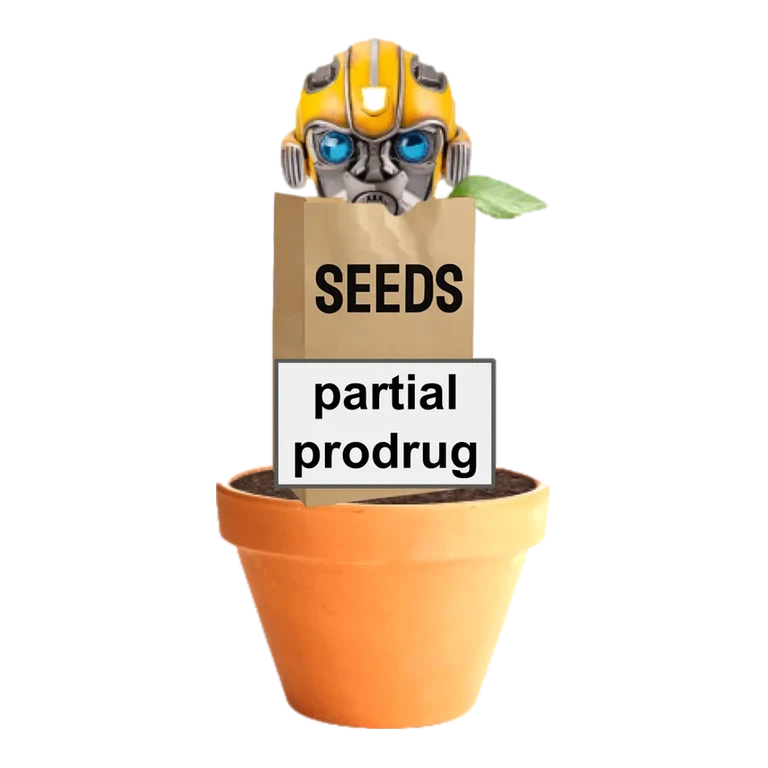
Clopidogrel inverts the logic, because it is a prodrug. A poor metabolizer cannot activate it, so the drug fails silently rather than accumulating — the one substrate on this page where too little enzyme means too little effect.
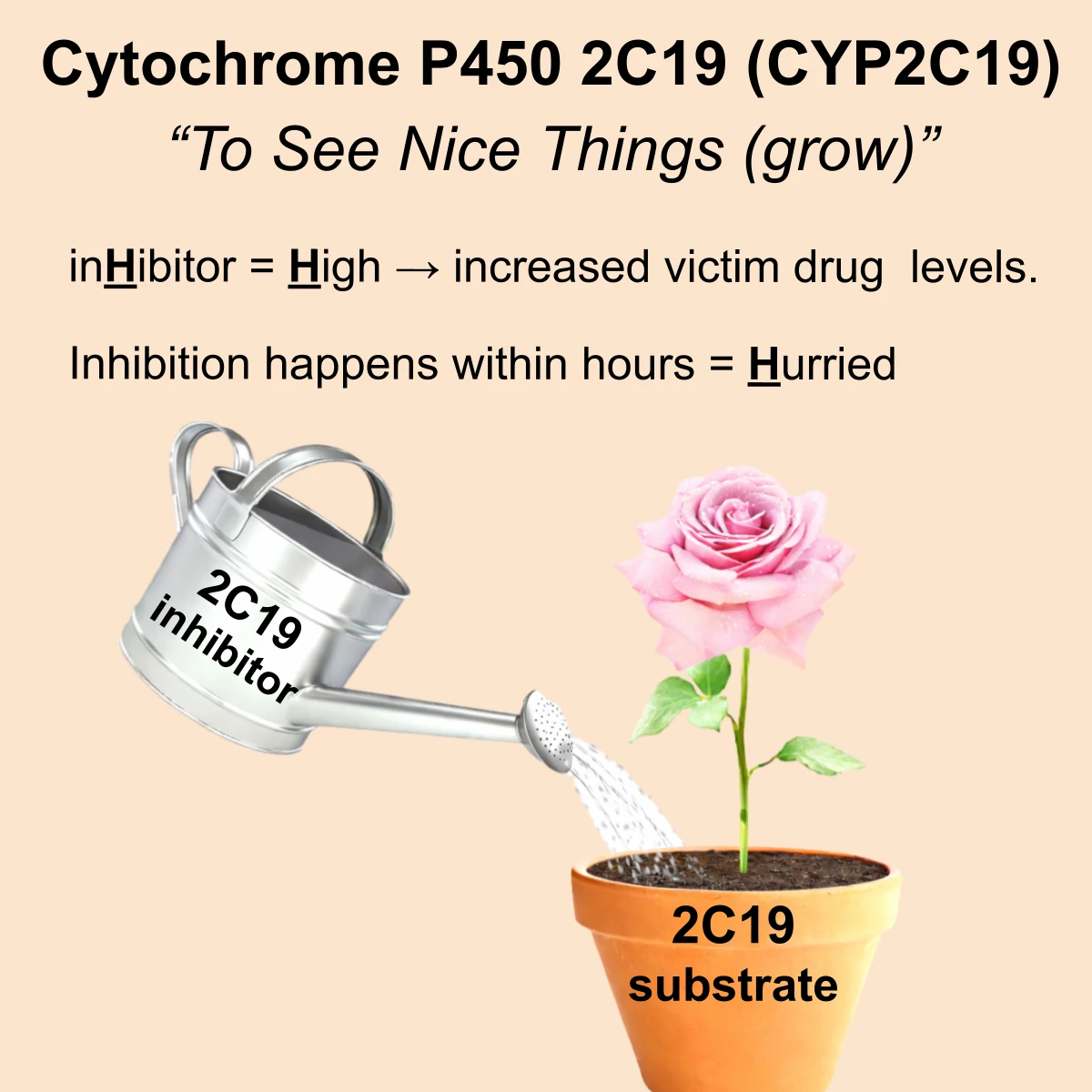
The inhibitors most likely to be in the chart are fluvoxamine, fluoxetine, omeprazole and esomeprazole, with fluconazole, voriconazole, cimetidine, moclobemide, modafinil, cannabidiol, cenobamate, felbamate and stiripentol behind them. A 2C19 inhibitor turns a normal metabolizer into a phenotypic poor one, which is the practical reason not to pair omeprazole with clopidogrel: prefer pantoprazole or lansoprazole.
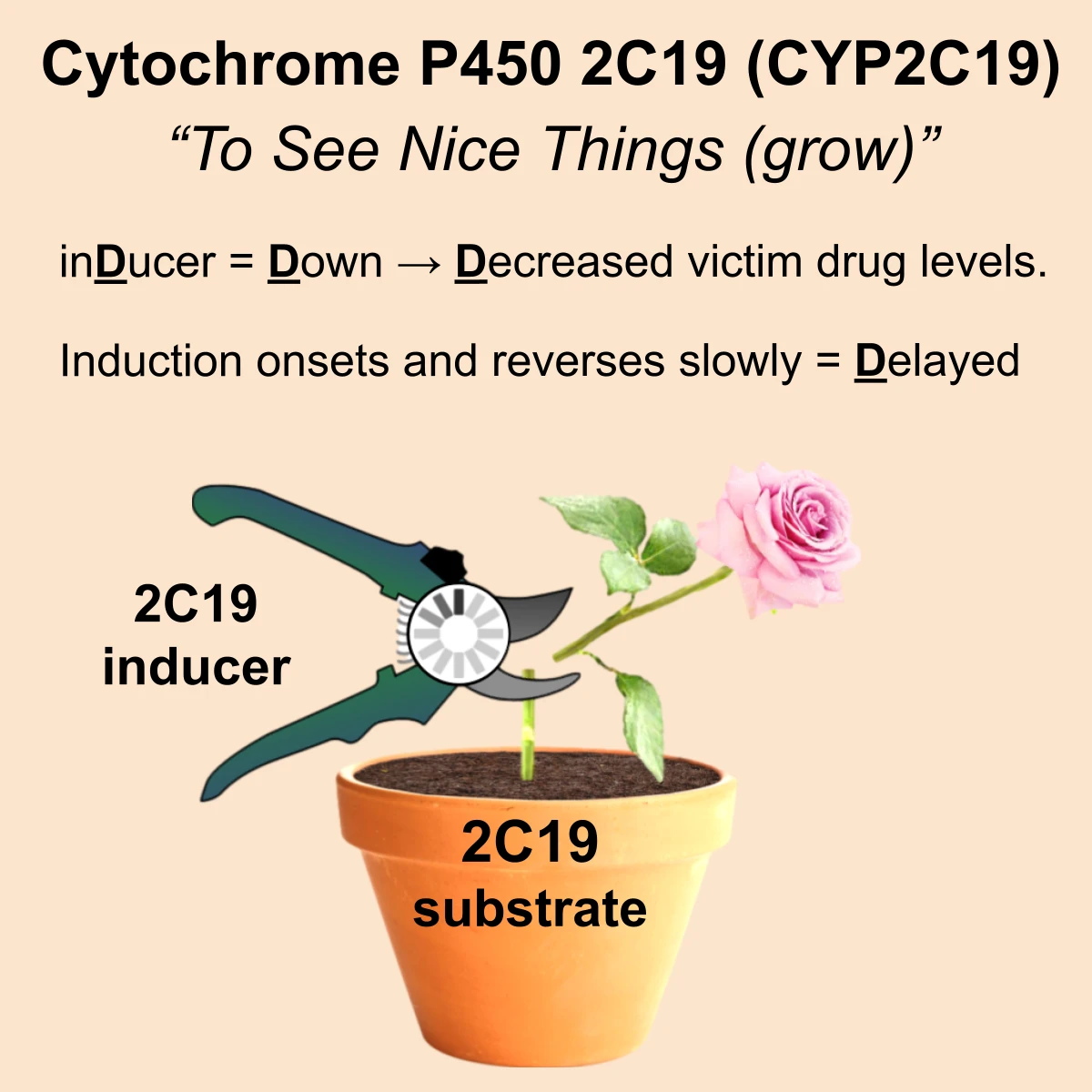
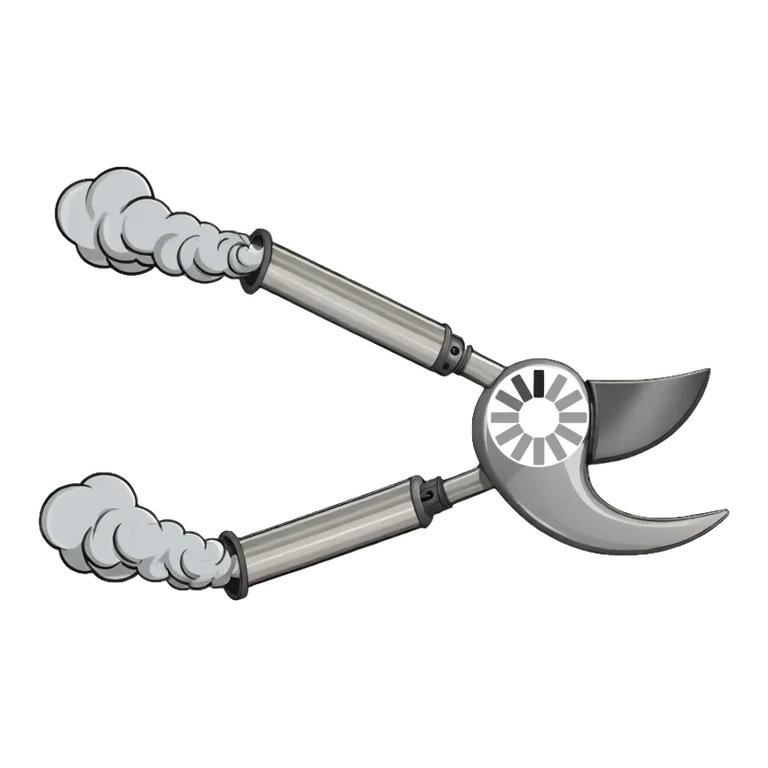
Induction is the usual crowd — carbamazepine, phenytoin, phenobarbital, primidone, rifampin, St John’s wort, and the androgen-receptor drugs apalutamide and enzalutamide. Phenytoin, voriconazole, omeprazole and esomeprazole each appear twice on this page because each is a substrate of the enzyme it also perturbs, which is what makes their kinetics non-linear.
Genotyping is not required for routine prescribing, but when a result already exists it is worth acting on: hold escitalopram and citalopram to their lower maximum doses, and choose pantoprazole or lansoprazole over omeprazole and esomeprazole, in a known poor metabolizer.
CYP2C19 inhibitors (13)

CYP2C19 inhibitor

CYP2C19 inhibitor

CYP2C19 inhibitor

CYP2C19 inhibitor

CYP2C19 inhibitor

CYP2C19 inhibitor

CYP2C19 inhibitor

CYP2C19 inhibitor

CYP2C19 inhibitor

CYP2C19 inhibitor

CYP2C19 inhibitor

CYP2C19 inhibitor

CYP2C19 inhibitor
CYP2C19 inducers (8)

CYP2C19 inducer

CYP2C19 inducer

CYP2C19 inducer

CYP2C19 inducer

CYP2C19 inducer
CYP2C19 inducer

CYP2C19 inducer

CYP2C19 inducer
CYP2C19 substrates (23)

CYP2C19 substrate

CYP2C19 substrate

CYP2C19 substrate

CYP2C19 substrate

CYP2C19 substrate

CYP2C19 substrate

CYP2C19 substrate

CYP2C19 substrate

CYP2C19 substrate

CYP2C19 substrate

CYP2C19 substrate

CYP2C19 substrate

CYP2C19 substrate

CYP2C19 substrate
CYP2C19 substrate

CYP2C19 substrate

CYP2C19 substrate

CYP2C19 substrate

CYP2C19 substrate

CYP2C19 substrate

CYP2C19 substrate

CYP2C19 substrate

CYP2C19 substrate