UGT1A4 interactions
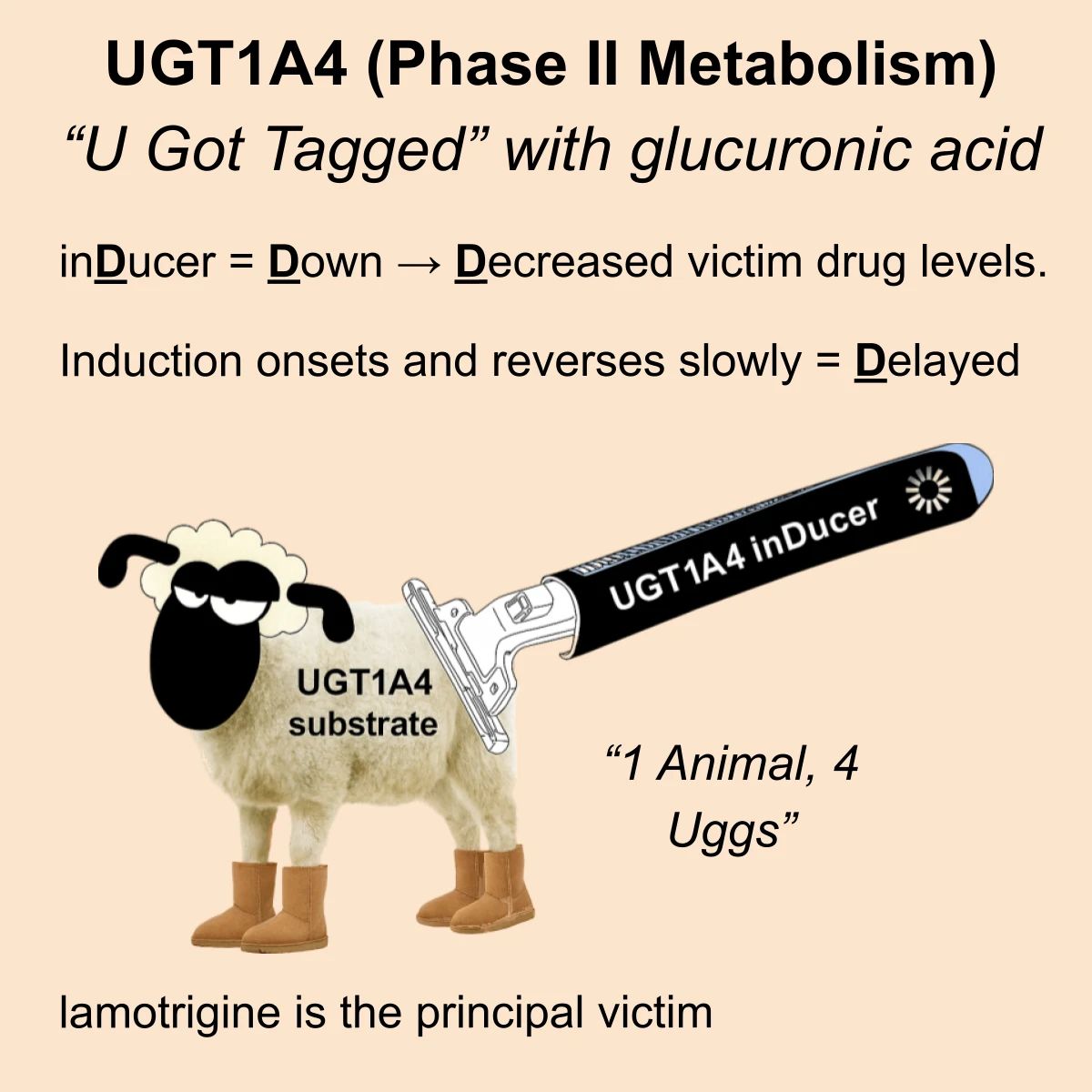
UGT1A4 glucuronidates lamotrigine, and nearly everything worth knowing about this enzyme is a statement about lamotrigine dosing.
Glucuronidation is a conjugation reaction, not an oxidation, so none of the usual CYP reasoning applies — but the swings are larger than most CYP interactions, not smaller.
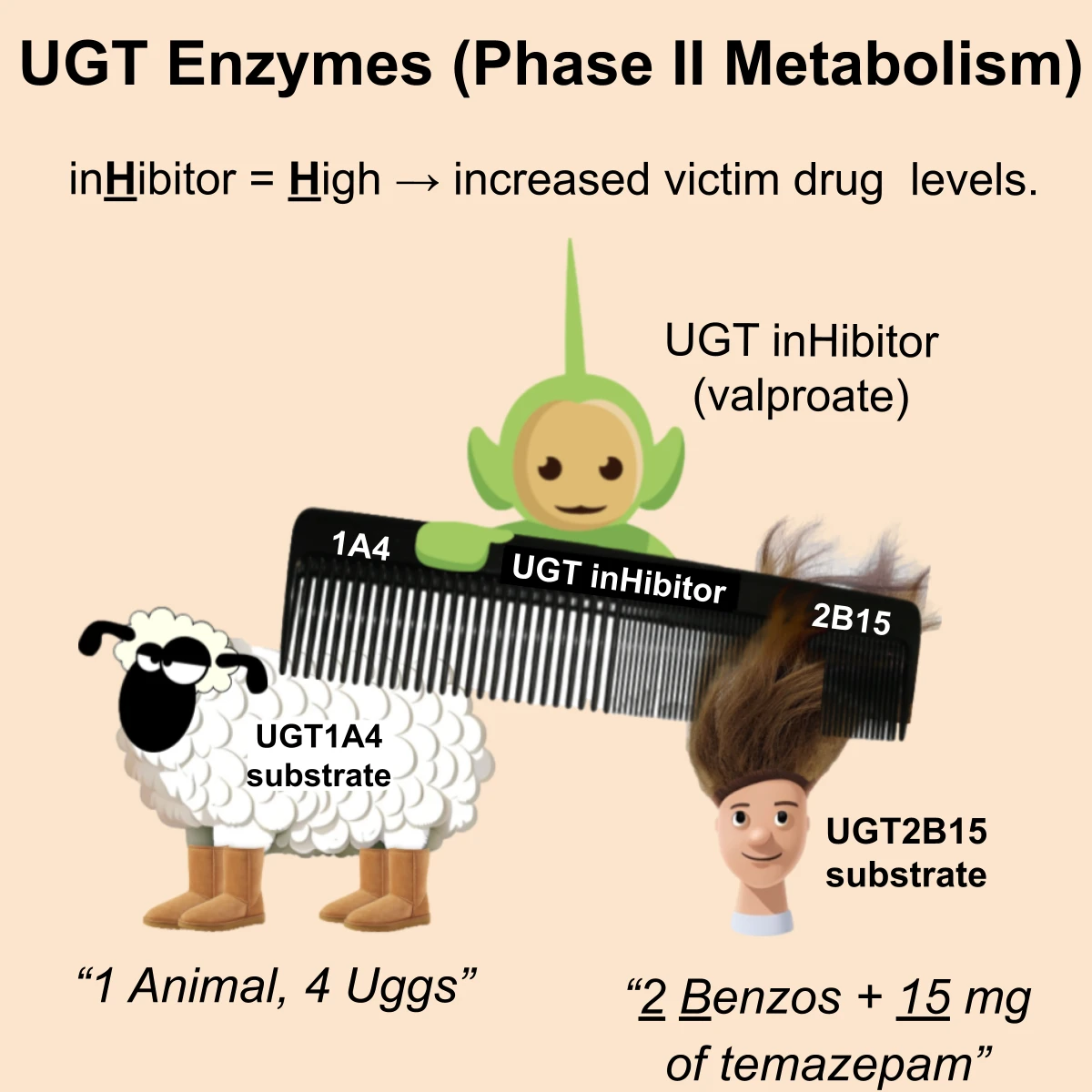
Valproate, shown here as divalproex, inhibits UGT1A4 and roughly doubles lamotrigine exposure. Because lamotrigine’s serious rash risk tracks how fast the level rises, the lamotrigine titration schedule is halved when valproate is on board — this is a rash-prevention measure, not a level correction.
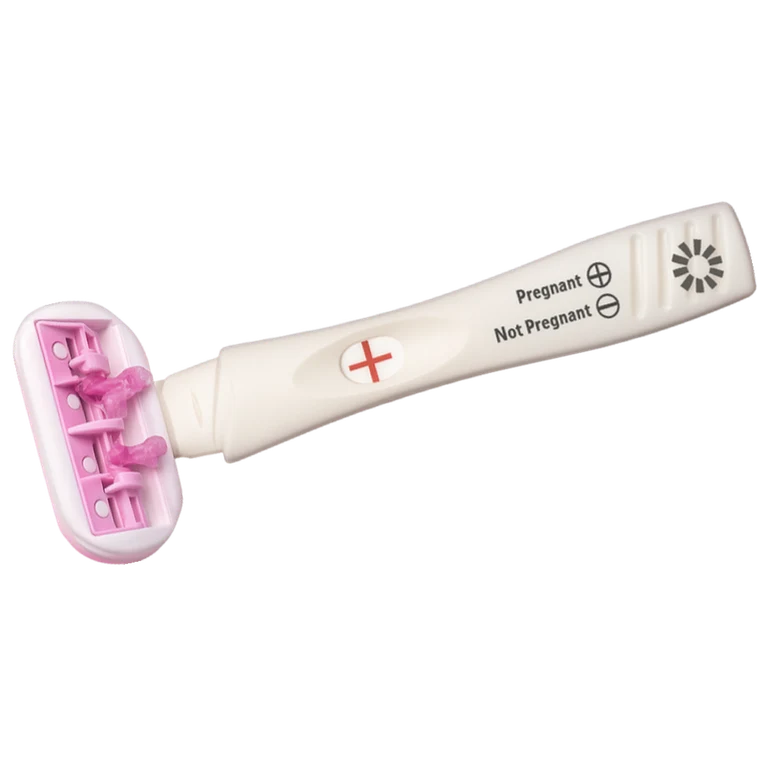
The inducers push the other way and can halve lamotrigine exposure: carbamazepine, phenytoin, phenobarbital, primidone, rifampin, ritonavir and St John’s wort. Estrogen is the one most often missed. Conjugated estrogens and estrogen-containing contraceptives induce UGT1A4, so lamotrigine levels fall when a pill is started and rebound during the pill-free week or when it is stopped. Being female does not by itself change lamotrigine clearance, and neither does estrogen replacement at menopausal doses — it is contraceptive-strength estrogen that induces.
In practice: any change to valproate, to an enzyme-inducing antiseizure drug, or to a contraceptive is a lamotrigine dose event, and starting or stopping a pill is the one most likely to arrive without anyone flagging it.
UGT1A4 inhibitors (1)

UGT1A4 inhibitor
UGT1A4 inducers (8)

UGT1A4 inducer

UGT1A4 inducer
UGT1A4 inducer

UGT1A4 inducer

UGT1A4 inducer

UGT1A4 inducer

UGT1A4 inducer

UGT1A4 inducer
UGT1A4 substrates (1)

UGT1A4 substrate