NSAIDs
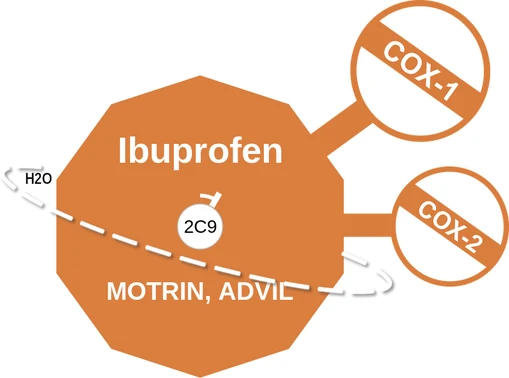
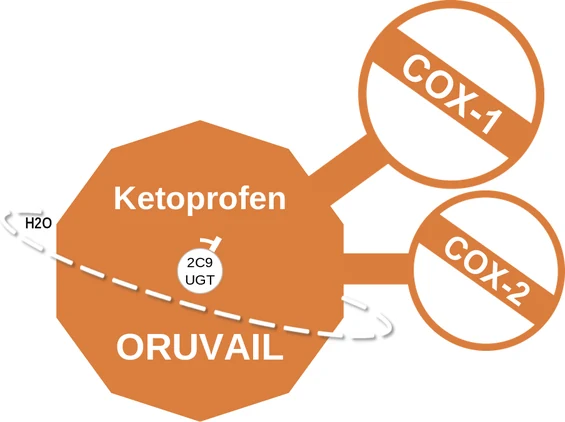
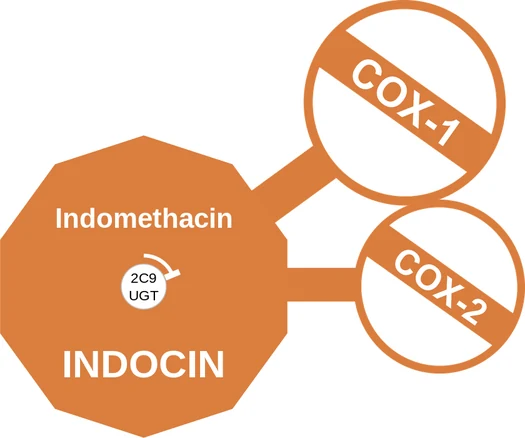
- COX inhibition → analgesic/anti-inflammatory
- Acute musculoskeletal/inflammatory pain
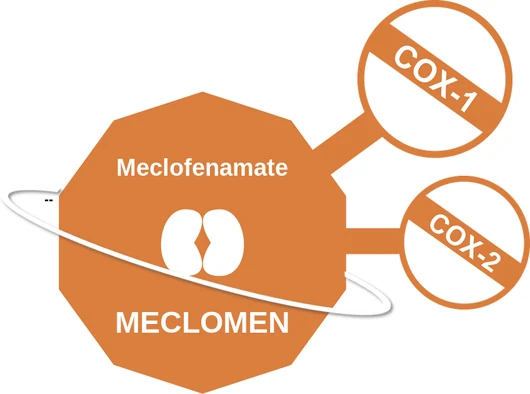
- GI ulcer/bleeding + renal injury are key risks
- Can raise BP + worsen edema/heart failure
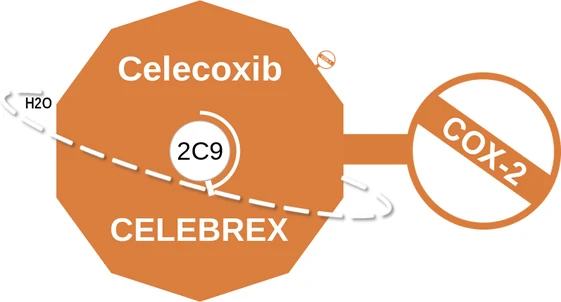
- Celecoxib: less GI injury; CV/renal risk remains
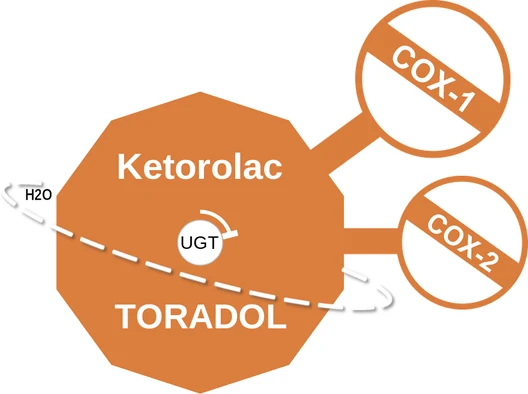
- Ketorolac: potent, short-term only
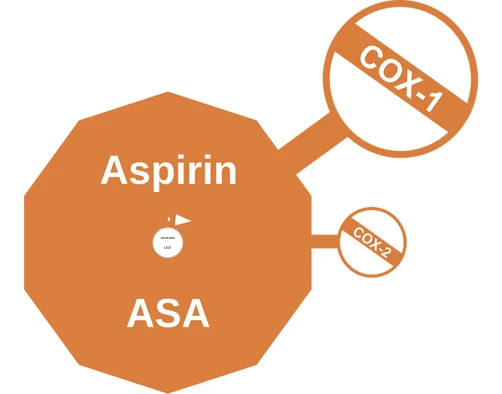
- Aspirin is unique for antiplatelet use
- Avoid stacking multiple NSAIDs
Class at a glance
- COX inhibition → analgesic/anti-inflammatory
Safety / monitoring
- Celecoxib: less GI injury; CV/renal risk remains
- Ketorolac: potent, short-term only
Clinical role
- Acute musculoskeletal/inflammatory pain
- Can raise BP + worsen edema/heart failure
- Aspirin is unique for antiplatelet use
Safety distinctions
- GI ulcer/bleeding + renal injury are key risks
- Avoid stacking multiple NSAIDs
Pearls
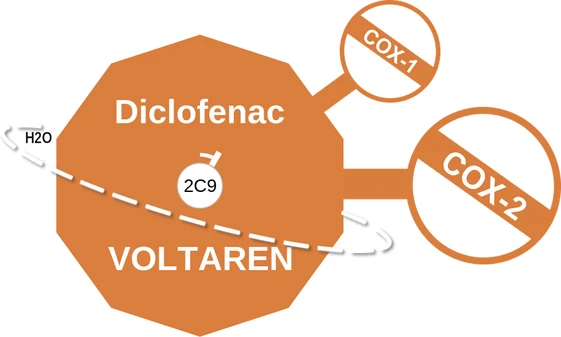
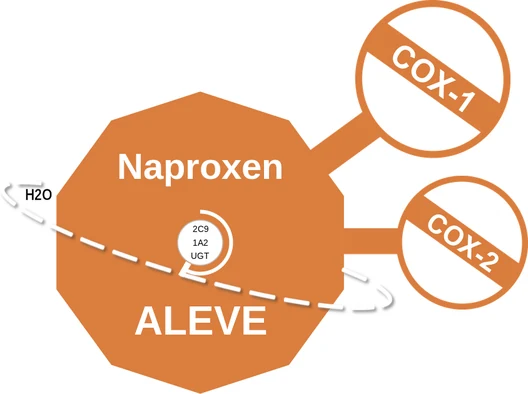
- Naproxen lowest CV risk among nonselective NSAIDs; diclofenac highest
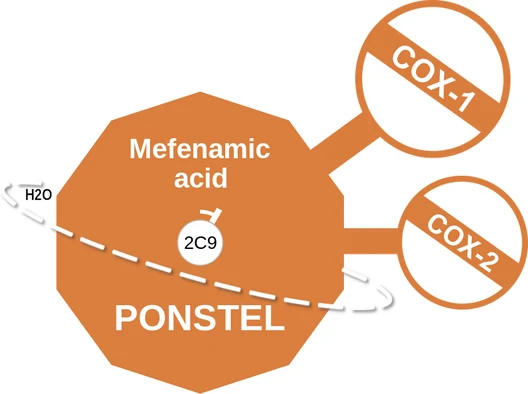
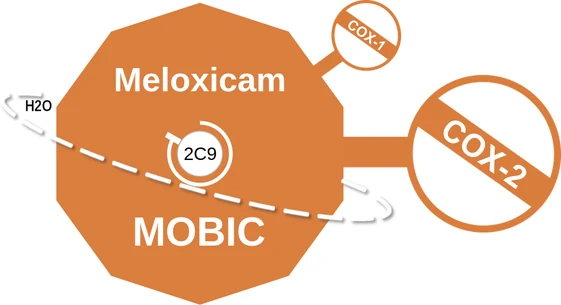
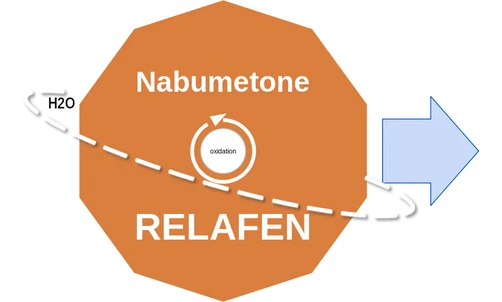
- Celecoxib, meloxicam, nabumetone largely spare platelets
- Avoid after 20 weeks' gestation: fetal renal injury, oligohydramnios
- Aspirin-sensitive asthma: any NSAID can trigger bronchospasm
- Serious hepatotoxicity rare; most often with diclofenac
Self-check
- What distinguishes Ketorolac?
Potent, short-term only. - Should multiple NSAIDs be stacked?
No.
Drugs in this class (18)
NSAIDs prescription history
Animated chart of estimated U.S. prescriptions per year, NSAIDs (1914–2026).