Venous thromboembolism (VTE)
- Anticoagulation is the treatment foundation
- DOAC preferred for most DVT/PE patients
- Duration depends on provoking factor + recurrence risk
- Cancer, pregnancy + APS can alter drug choice
- Thrombolysis/thrombectomy reserved for selected severe cases
- Reassess bleeding risk and need for extended therapy
Use at a glance
- Anticoagulation is the treatment foundation
Practical pearls
- DOAC preferred for most DVT/PE patients
Escalation / refractory disease
- Cancer, pregnancy + APS can alter drug choice
- Thrombolysis/thrombectomy reserved for selected severe cases
Monitoring / follow-up
- Duration depends on provoking factor + recurrence risk
- Reassess bleeding risk and need for extended therapy
Key points
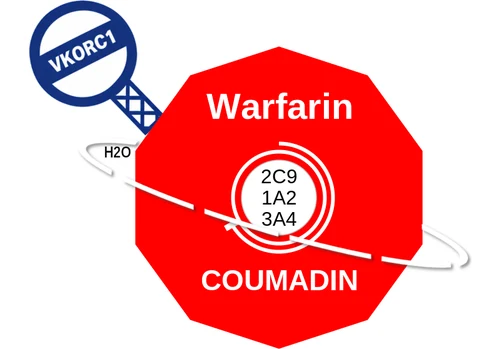
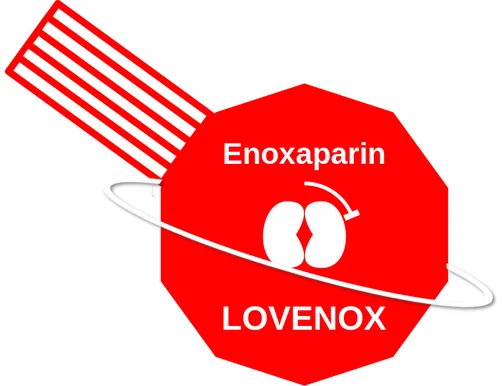
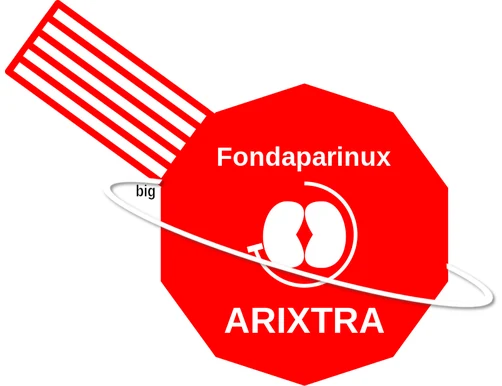
- Acute DVT/PE (5–10 d): LMWH or fondaparinux ± warfarin; stable → apixaban/rivaroxaban preferred
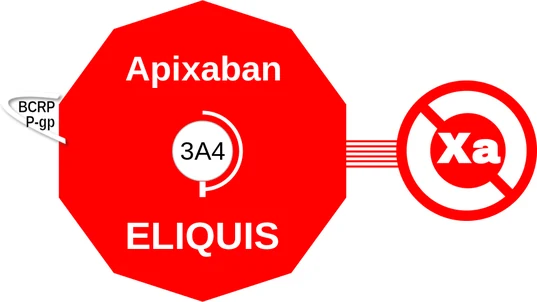
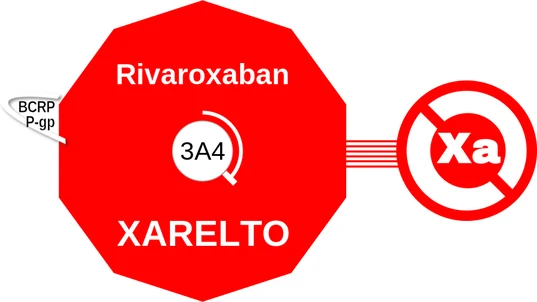
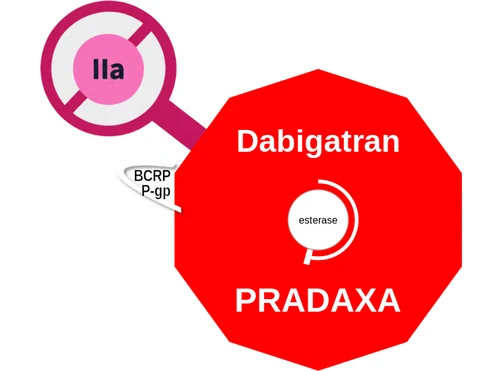
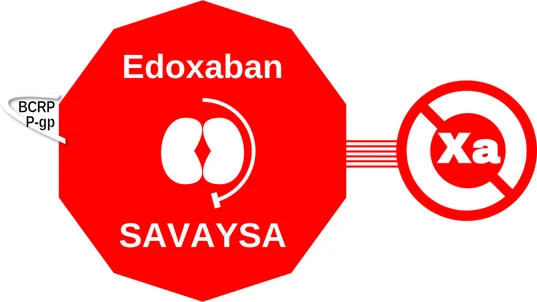
- Long-term: DOAC (apixaban, dabigatran, edoxaban, rivaroxaban) preferred over warfarin
- Active cancer, low bleeding risk → oral Xa inhibitor (apixaban, edoxaban, rivaroxaban)
- CrCl <30: warfarin or UFH (some prefer apixaban); pregnancy: LMWH
- Duration ≥3 mo; unprovoked or persistent risk (active cancer) → >3 mo, sometimes indefinite
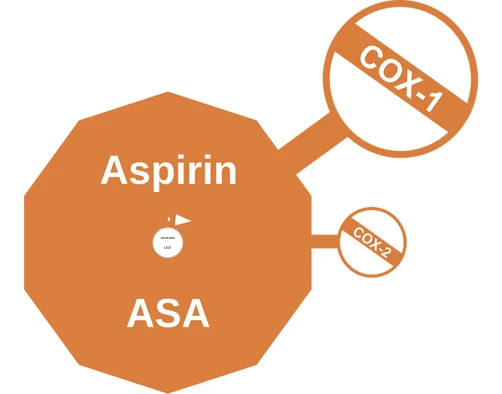
- Extended low-dose apixaban/rivaroxaban ↓ recurrence; aspirin weaker if anticoagulant stopped
- Prophylaxis: LMWH (major nonorthopedic surgery, high-risk medical inpatients); knee/hip → apixaban, rivaroxaban, dabigatran, aspirin
Pearls
- UFH: reversible, not renally cleared; more HIT than LMWH
- LMWH preferred over UFH for stable initial treatment
- Apixaban, rivaroxaban: standard doses fine at BMI >40
- Prothrombin complex concentrate may reverse DOACs
Self-check
- What anchors VTE treatment?
Anticoagulation. - What determines VTE treatment duration?
Provoking factor and recurrence risk.
Drugs used for this (9)
All clinical uses · Open Venous thromboembolism (VTE) in the interactive console ↗