Major depressive disorder (MDD)
- Psychotherapy and/or antidepressant first
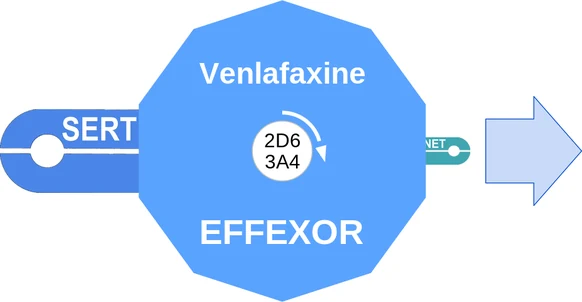
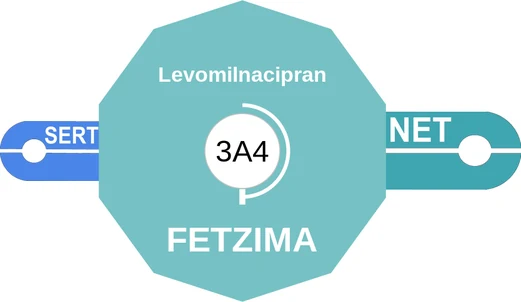
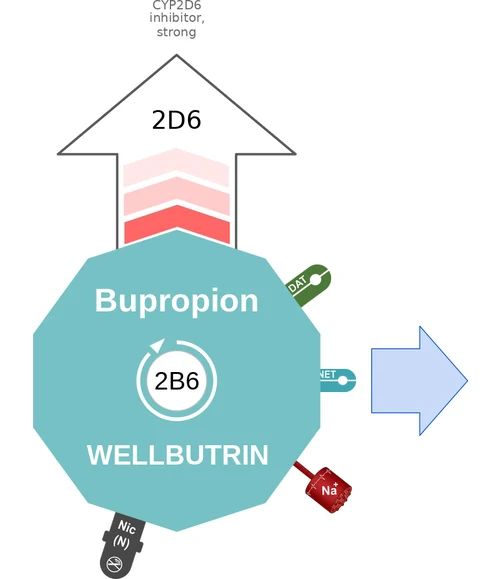
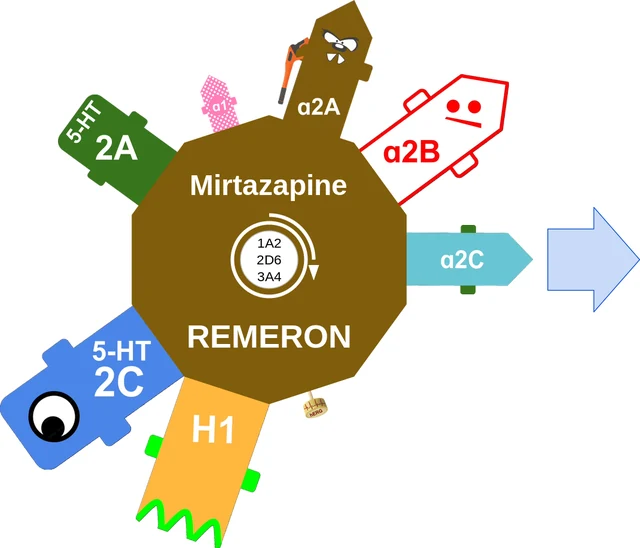
- SSRI/SNRI/bupropion/mirtazapine common
- Choose by symptoms, AEs + comorbidity
- Optimize after an adequate dose/duration
- Partial response → optimize or augment
- atypical antipsychotic/lithium options
- Nonresponse → switch drug or mechanism
- Severe/psychotic/catatonic → consider ECT
Use at a glance
- Psychotherapy and/or antidepressant first
Practical pearls
- SSRI/SNRI/bupropion/mirtazapine common
- Optimize after an adequate dose/duration
Treatment options
- Partial response → optimize or augment
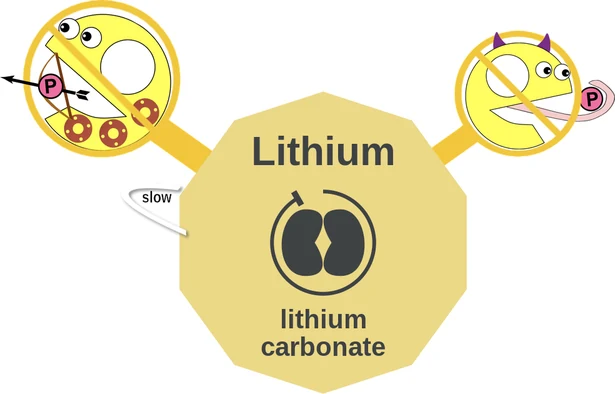
- atypical antipsychotic/lithium options
- Nonresponse → switch drug or mechanism
Other practical pearls
- Choose by symptoms, AEs + comorbidity
- Severe/psychotic/catatonic → consider ECT
Key points
- Initial MDD: SSRI (most common), SNRI, bupropion, or mirtazapine
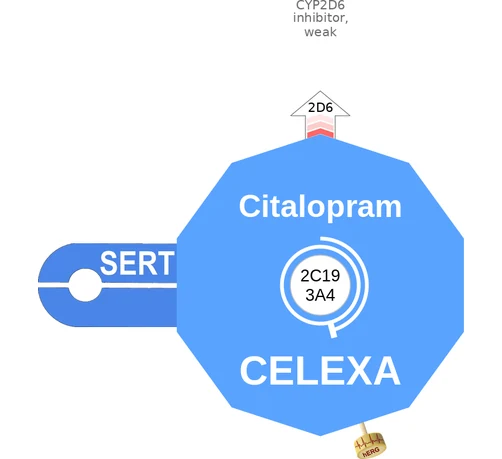
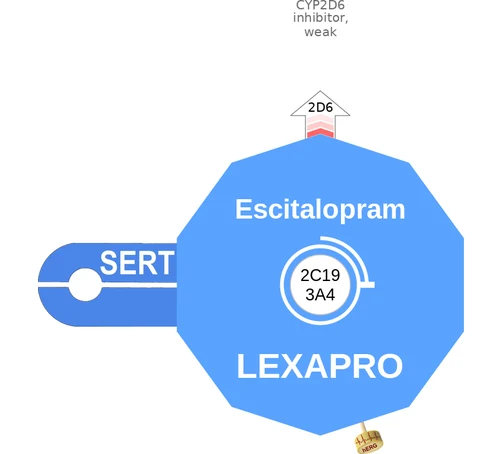
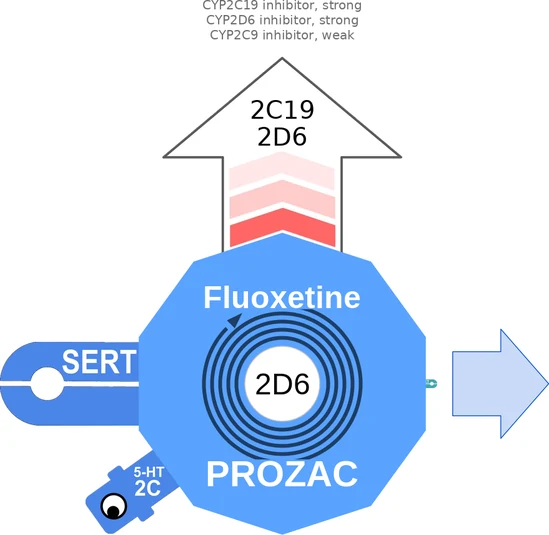
- SSRIs similar efficacy; sertraline/escitalopram 1st-line adults, fluoxetine for children/adolescents
- Bupropion if anxiety not prominent; no sedation, weight gain, sexual dysfunction, bleeding
- Mirtazapine → insomnia or poor appetite
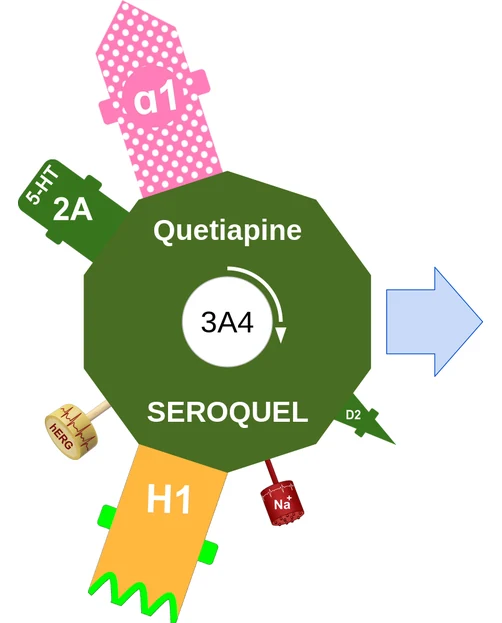
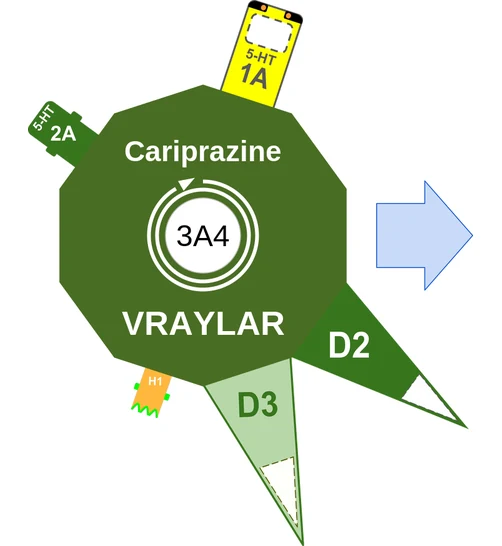
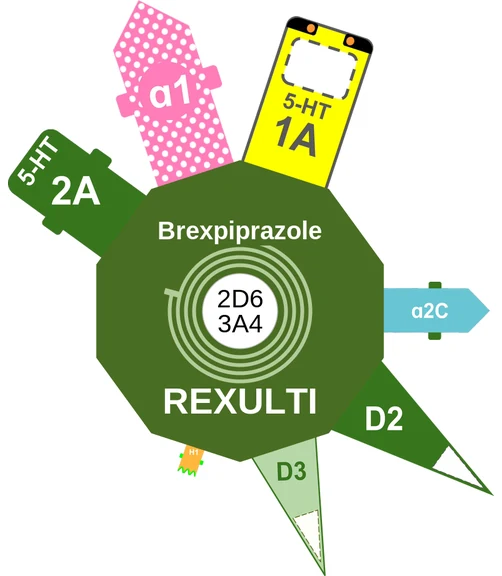
- Monotherapy fails → combine antidepressants (bupropion + SSRI) or augment with 2nd-gen antipsychotic
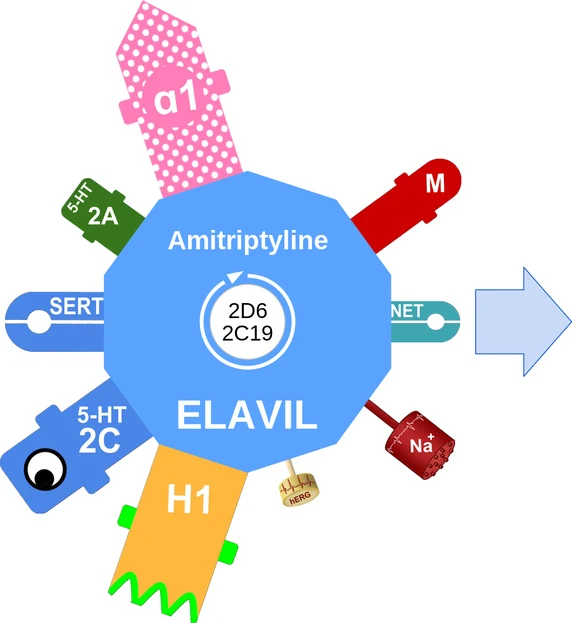
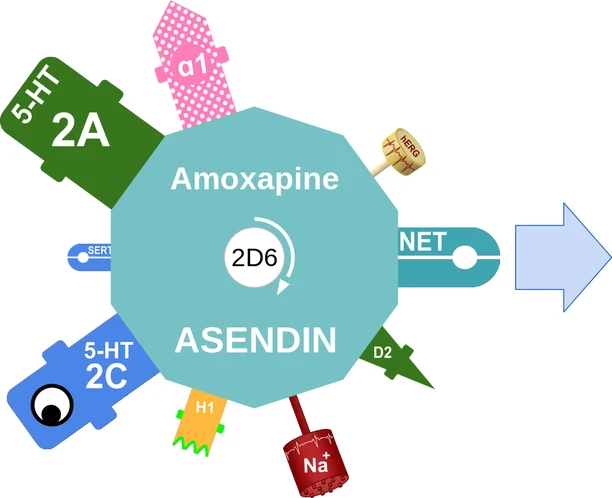
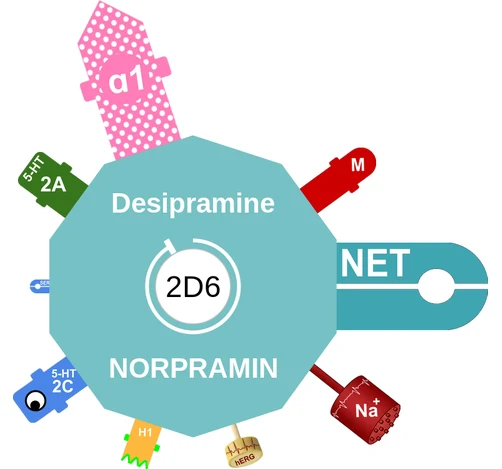
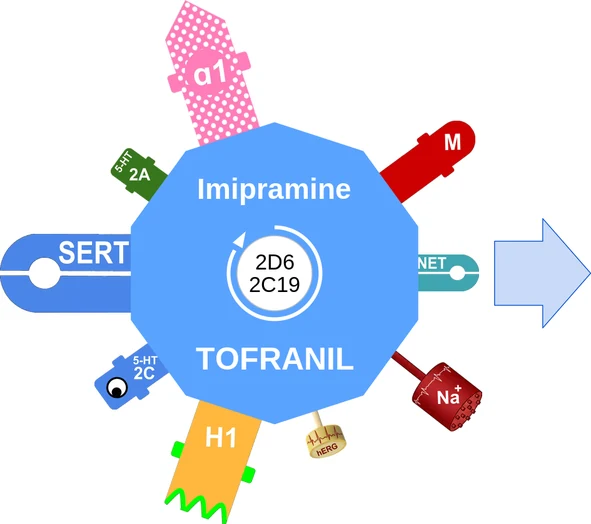
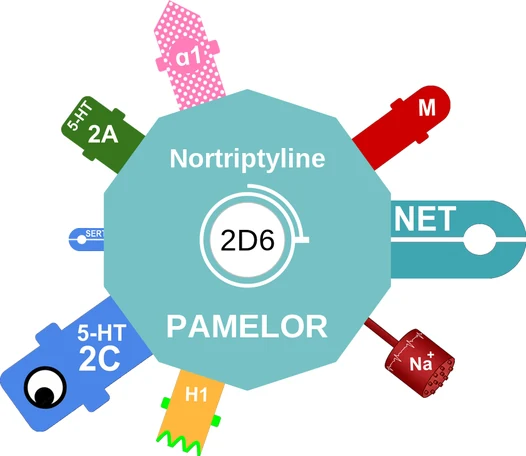
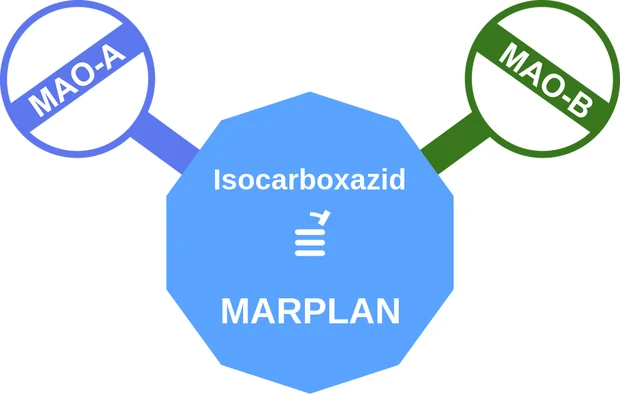
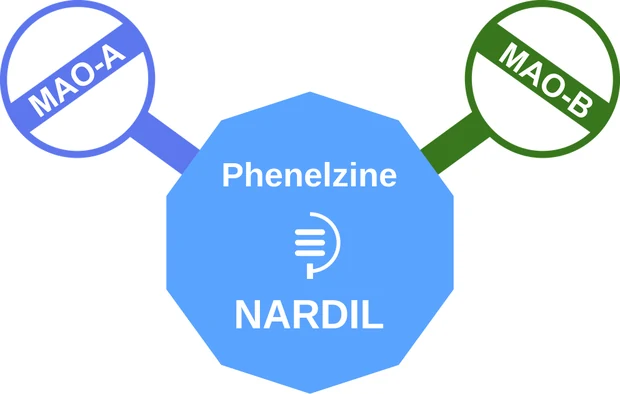
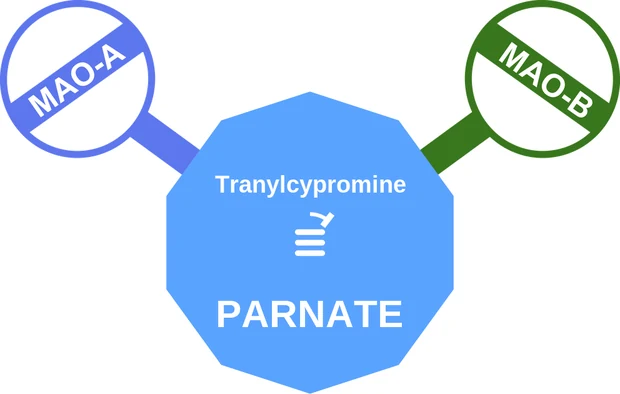
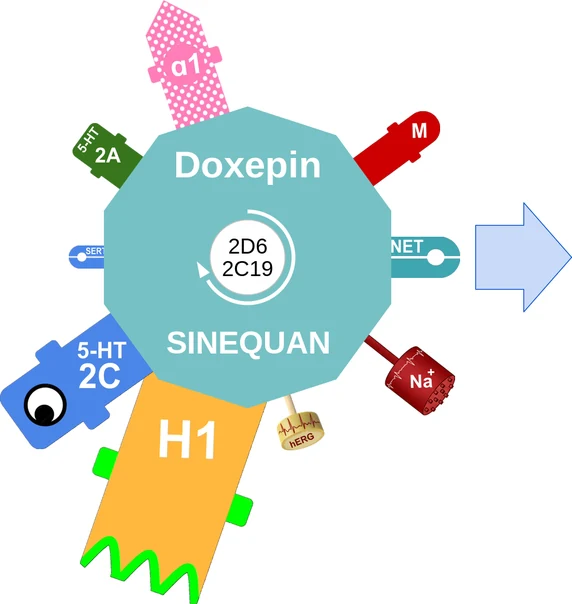
- TCAs, MAOIs: alternatives for moderate–severe depression
- ECT: highest response and remission rates
Nonpharmacologic therapies
- ECT
- TMS
- Deep brain stimulation
- CBT
- Interpersonal therapy
- Low-tyramine diet
Pearls
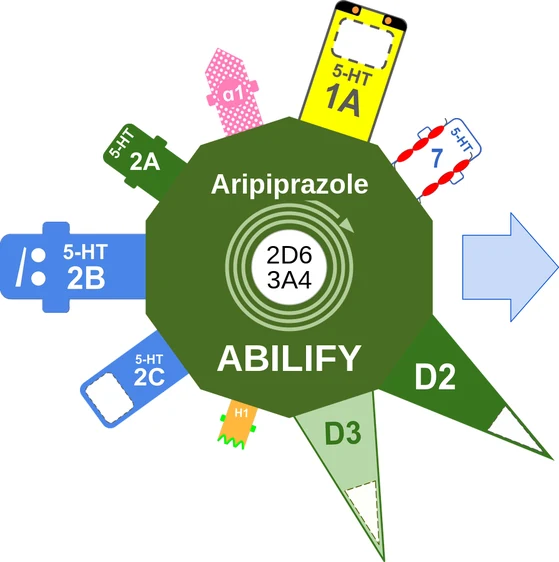
- Aripiprazole has the strongest augmentation evidence
- SGA augmentation risks tardive dyskinesia, more in older adults
- Pharmacogenomic testing: clinical benefit unclear
Self-check
- What follows partial MDD response after adequate dose/duration?
Optimize or augment. - What comes first in MDD treatment?
Psychotherapy and/or antidepressant.
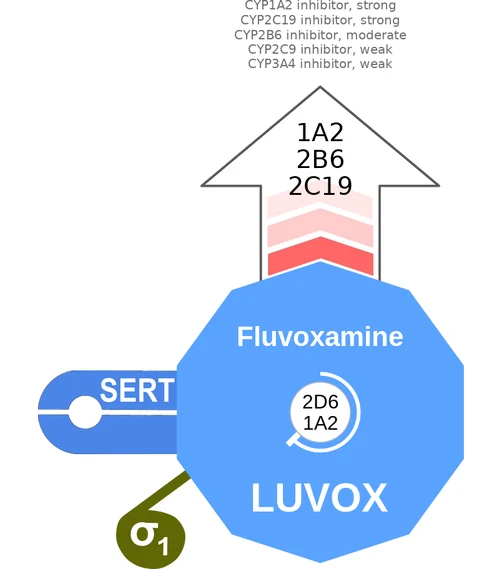
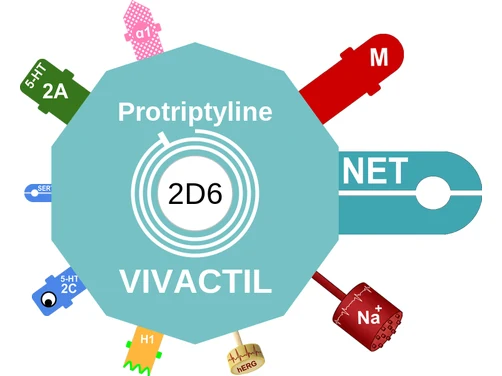
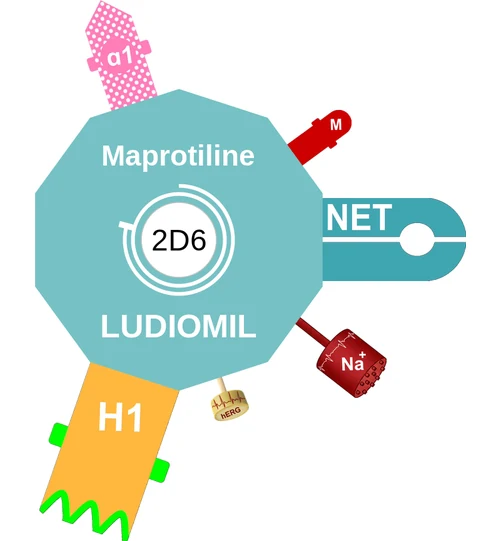
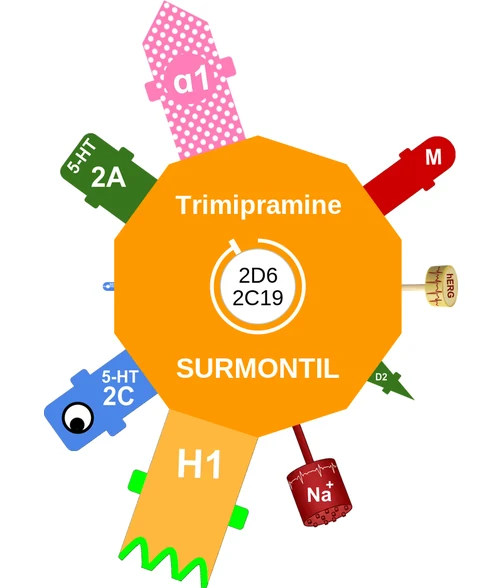
Drugs used for this (44)
All clinical uses · Open Major depressive disorder (MDD) in the interactive console ↗