Attention-deficit/hyperactivity disorder (ADHD)
- Stimulants are most effective first-line drugs
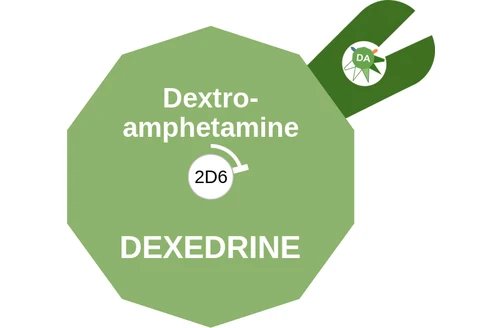
- Choose amphetamine vs MPH by response
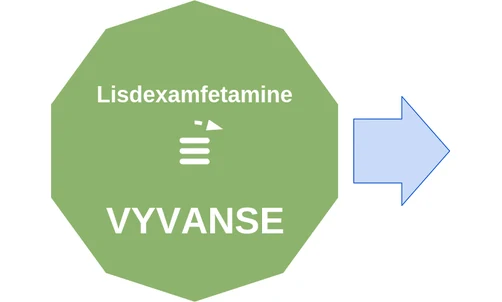
- Long-acting usually simplifies coverage
- Poor fit → try the other stimulant class
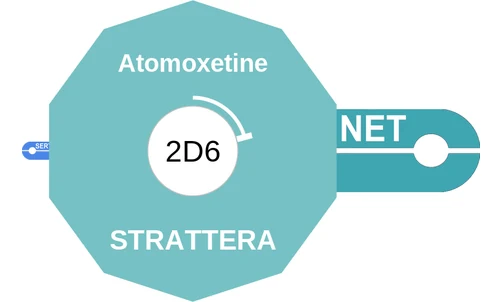
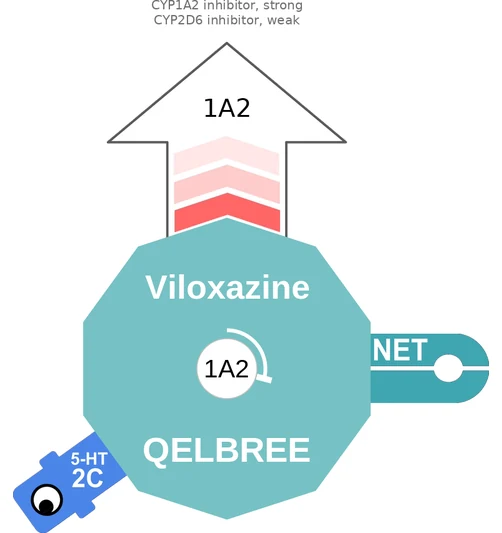
- Nonstimulant if AEs, misuse risk, preference
- atomoxetine/viloxazine/alpha-2 agonist
- Track BP/HR, appetite + sleep
Use at a glance
- Stimulants are most effective first-line drugs
Practical pearls
- Choose amphetamine vs MPH by response
- Poor fit → try the other stimulant class
- Track BP/HR, appetite + sleep
Other practical pearls
- Long-acting usually simplifies coverage
Choosing treatment
- Nonstimulant if AEs, misuse risk, preference
- atomoxetine/viloxazine/alpha-2 agonist
Key points
- PTBM/behavioral classroom therapy: 1st-line preschool, adjunct later; symptom effect small
- Stimulants (Schedule II): drug of choice ≥school-age; amphetamine vs methylphenidate response varies individually
- Long-acting (IR+ER components) standard; add short-acting for early-morning or afternoon coverage
- Stimulant AEs: ↓appetite, abdominal pain, headache, insomnia; psychosis, CV events, abuse possible
- Long-term stimulant use in childhood → reduced adult height
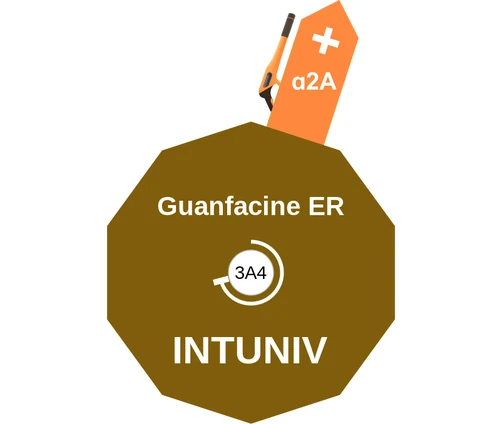
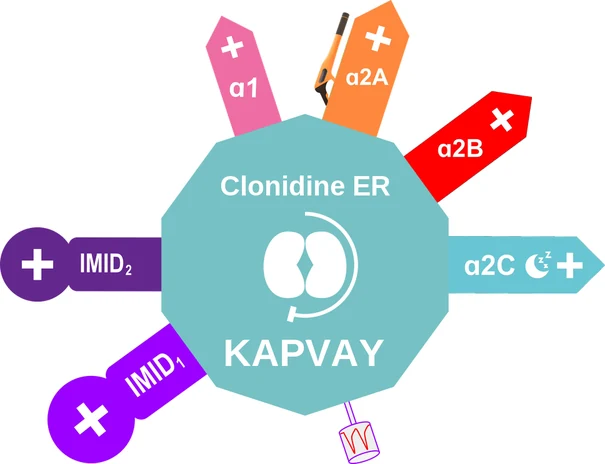
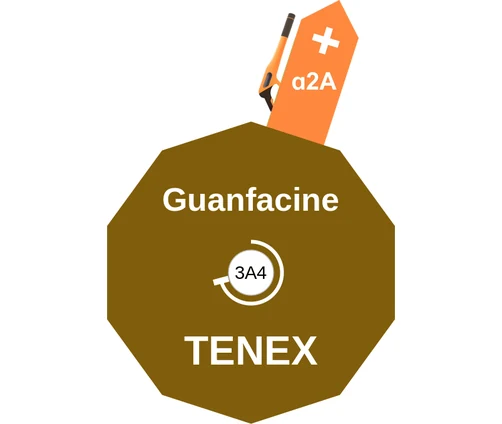
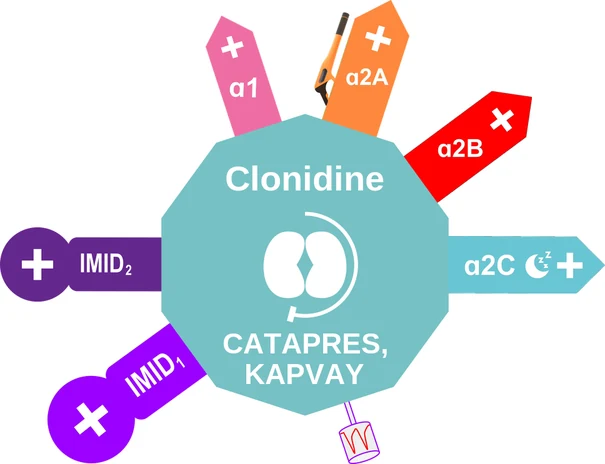
- Atomoxetine, viloxazine, clonidine, guanfacine less effective; monotherapy if stimulant unsuitable, or add-on
- Atomoxetine/viloxazine: somnolence, N/V, ↑HR/BP, growth delay, suicidality; clonidine/guanfacine: somnolence, hypotension, dizziness
Nonpharmacologic therapies
- Parent training in behavior management
- School-based behavioral therapy
- Cardiology consult if cardiac disease
Pearls
- Treatment lowers injuries, crashes, substance misuse, and mortality
- Alpha-2 agonists: taper to avoid rebound hypertension
- Pediatric clonidine/guanfacine overdose: severe bradycardia
- Behavioral therapy may allow lower medication doses
Self-check
- What follows a poor fit with one ADHD stimulant class?
Try the other stimulant class. - Which formulation usually simplifies ADHD coverage?
Long-acting.
Drugs used for this (15)
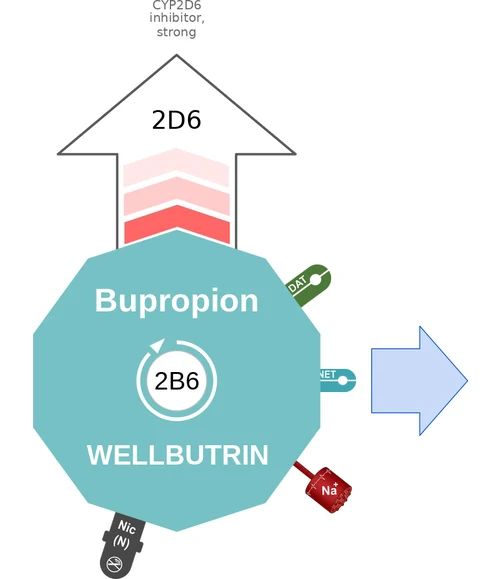
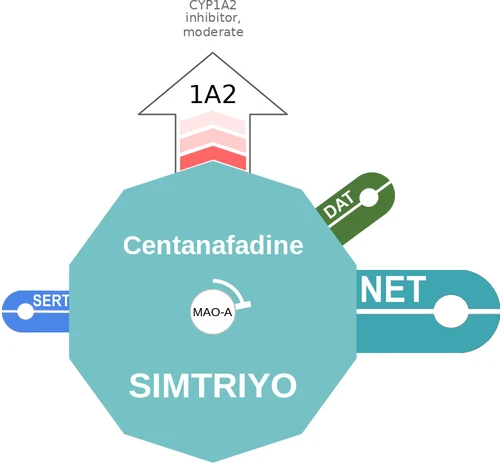
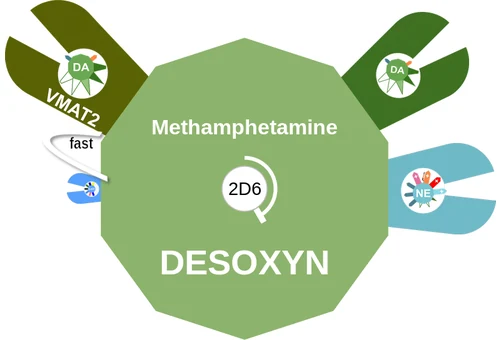
All clinical uses · Open Attention-deficit/hyperactivity disorder (ADHD) in the interactive console ↗