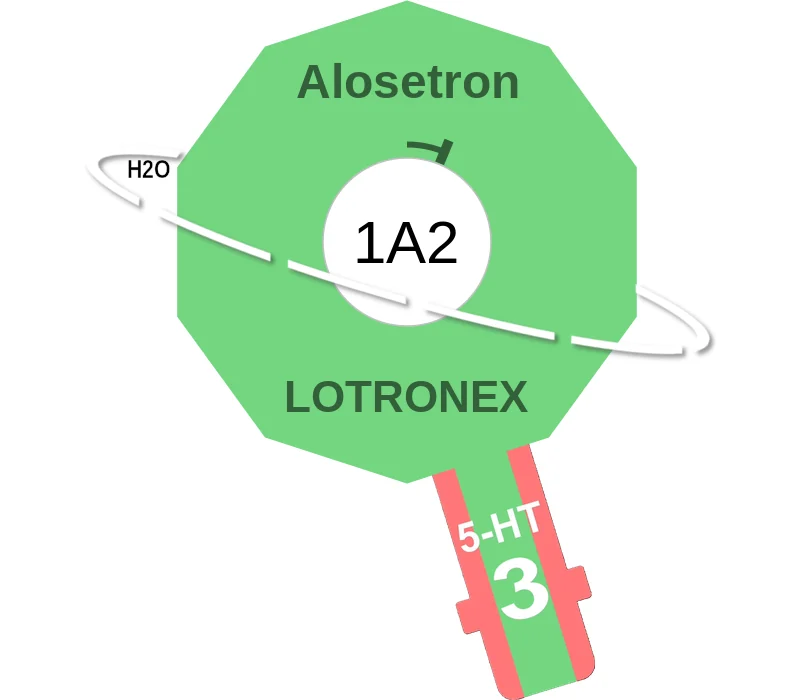
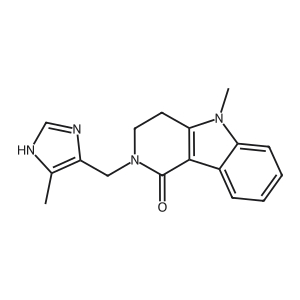
Alosetron
LOTRONEX
Pronunciation: al-OE-se-tron (LOE-tro-nex)
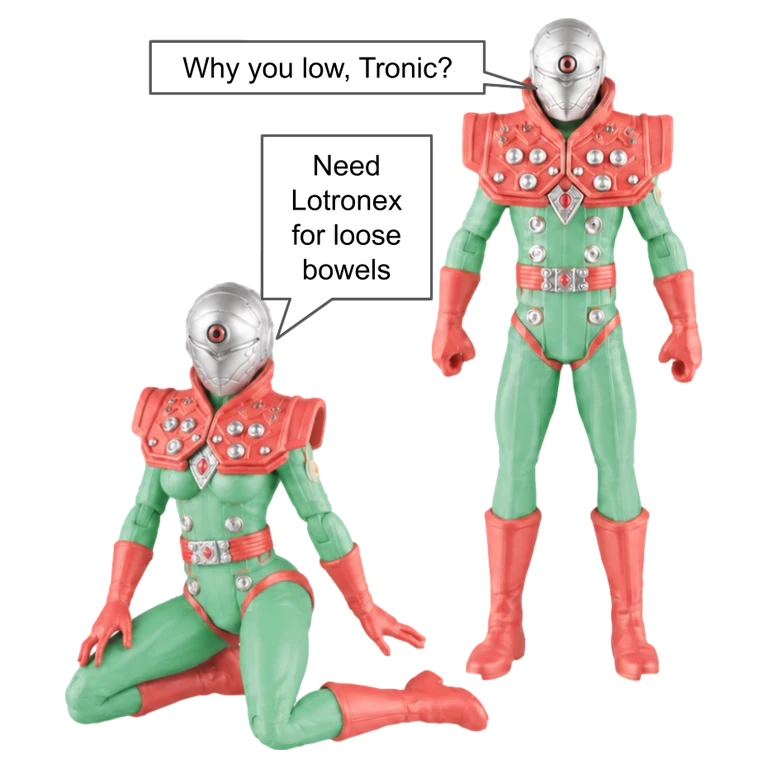
“Low Tronic is a loose Tronic”
approved for severely loose stools ( diarrhea-predominant IBS) in women
5-HT3 antagonist color theme (ondansetron, alosetron)
What it is5-HT3 antagonist; severe diarrhea-predominant IBS in women.
Why this oneCan reduce pain, urgency, and stool frequency after conventional treatment has failed.
What limits itLast-line, women-only labeling; stop if uncontrolled after 4 weeks at 1 mg twice daily.
Pearls
- Constipation is the commonest adverse effect.
- Contraindicated in severe hepatic impairment.
Alosetron prescription history
Animated chart of estimated U.S. prescriptions per year, Meds eventually withdrawn (1950–2026). Alosetron enters in 2000 (estimated).
FDA-approved for
- IBS-D in women (2000)
Classes and tags
Clinical profile
Legacy pregnancy categoryUnknown / historical label unavailable
Defining liabilityGenerally tolerated at therapeutic doses; clinically important risks are agent-specific and increase with interactions or organ impairment.
FDA label
Read the full label on DailyMed ↗
| FDA dosing | Population | Start | Target | Max |
|---|---|---|---|---|
| Severe diarrhea-predominant IBS (refractory) | Adult women | 0.5 mg BID | 0.5 mg QD–BID | 1 mg BID |
Titration May increase to 1 mg BID after 4 weeks if well tolerated but inadequate control.
Renal No adjustment needed
Hepatic Contraindicated in severe impairment; use with caution in mild–moderate.
Instructions
- Take with or without food.
- Discontinue immediately if constipation or signs of ischemic colitis (rectal bleeding, bloody diarrhea, new/worsening abdominal pain); do not resume if ischemic colitis occurs.
- If constipated, stop until it resolves; may restart at 0.5 mg QD.
Available strengths
- tab 0.5, 1 mg
Contraindications
- Constipation (do not initiate)
- History of chronic/severe constipation or its sequelae; intestinal obstruction, stricture, toxic megacolon, GI perforation/adhesions; ischemic colitis; impaired intestinal circulation, thrombophlebitis, or hypercoagulable state; Crohn's disease or ulcerative colitis; diverticulitis
- Severe hepatic impairment
- Concomitant fluvoxamine
Cautions
- Serious complications of constipation (obstruction, ileus, impaction, toxic megacolon, bowel ischemia; rarely perforation/death); higher risk in elderly, debilitated, or on GI-motility-lowering drugs
- Ischemic colitis—evaluate promptly; do not resume treatment
Adverse reactions
- Constipation (dose-related, ~29% at 1 mg BID)
- Abdominal discomfort/pain
- Nausea
- GI discomfort/pain
Pregnancy Insufficient human data; no adverse developmental effects in animal studies.
Lactation No human data; present in rat milk—monitor breastfed infant for severe constipation and blood in stools.
Cost
Generic entry2015
Serotonicity
This drug is routinely called serotonergic. By Gillman’s human-effect criteria it does not raise serotonin in the synapse.
No clinically meaningful serotonin-elevating mechanism identified in this first-pass Gillman-based review.
Gillman’s four human testsA measurable SERT affinity that fails all four is not clinical serotonicity.
- Retarded orgasm
- Efficacy in OCD and cataplexy
- Clonus and hyperreflexia in single-drug overdose
- Serotonin toxicity when combined with an MAOI
Non-elevating actionNone recorded
Evidence confidenceModerate
Background: what serotonicity is · what is and is not an SRI · what counts as a relevant MAOI.
Open Alosetron in the interactive console ↗
Memory aids: interaction avatars

Open Alosetron in the interactive console ↗
Self-check
- Which IBS population is alosetron intended for?
Women with severe diarrhea-predominant IBS. - Which serious colonic complication restricts alosetron prescribing?
Ischemic colitis.