Overactive bladder (OAB)
- Bladder training + fluid/trigger modification
- Drug: beta-3 agonist or antimuscarinic
- Beta-3 often favored if cognitive burden matters
- Combine classes if one drug is inadequate
- Refractory: botulinum toxin or neuromodulation
- Check retention risk + postvoid residual when needed
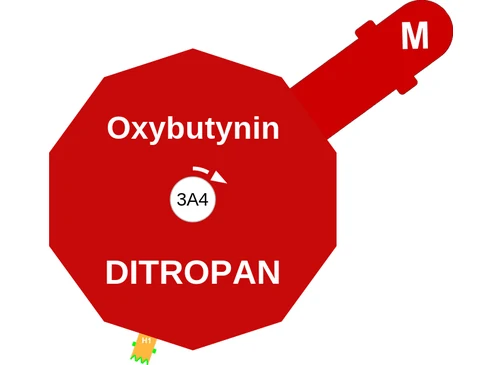
- Avoid reflex oxybutynin use in frail older adults
Use at a glance
- Bladder training + fluid/trigger modification
Treatment options
- Drug: beta-3 agonist or antimuscarinic
Choosing treatment
- Beta-3 often favored if cognitive burden matters
- Combine classes if one drug is inadequate
Escalation / refractory disease
- Refractory: botulinum toxin or neuromodulation
- Check retention risk + postvoid residual when needed
- Avoid reflex oxybutynin use in frail older adults
Key points
- 1st: bladder training, pelvic floor exercises, dietary changes
- Then ER anticholinergic or beta-3 agonist; only modestly > placebo
- Monotherapy fails → anticholinergic + beta-3 agonist
- Anticholinergics: dry mouth, constipation; long-term use → ↑ dementia risk
- Beta-3 agonists well tolerated; headache, GI upset; HTN with mirabegron
- Intolerant/refractory → intradetrusor onabotulinumtoxinA
- Refractory: tibial nerve stimulation or sacral neuromodulation
Nonpharmacologic therapies
- Bladder training
- Urge suppression
- Pelvic floor exercises
- Constipation management
- Fluid intake modification
- Avoid alcohol and caffeine
- Tibial nerve stimulation
- Sacral neuromodulation
Pearls
- Antimuscarinics similar to each other; use lowest effective dose
- Avoid antimuscarinics in narrow-angle glaucoma or gastric retention
- Urogynecology guidance: avoid anticholinergics in women over 70
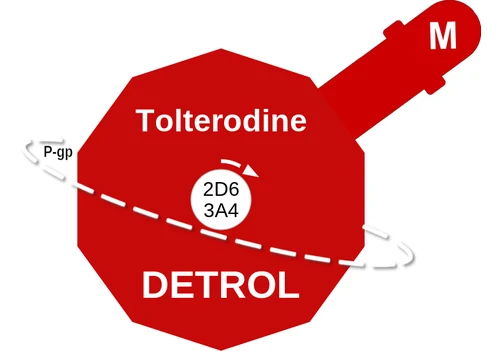
- Tibial nerve stimulation roughly matches tolterodine
Self-check
- What is checked when assessing OAB retention risk?
Postvoid residual when needed. - Which OAB drug should not be used reflexively in frail older adults?
Oxybutynin.
Drugs used for this (11)
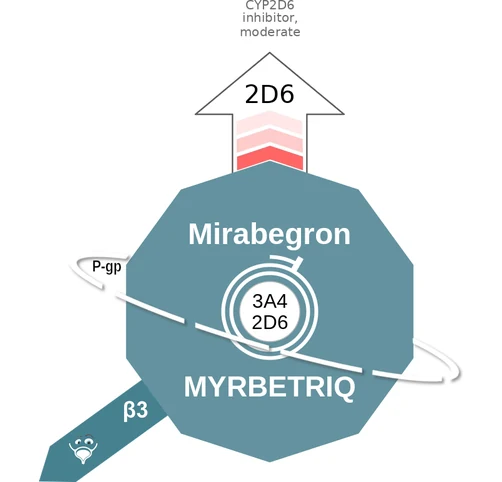
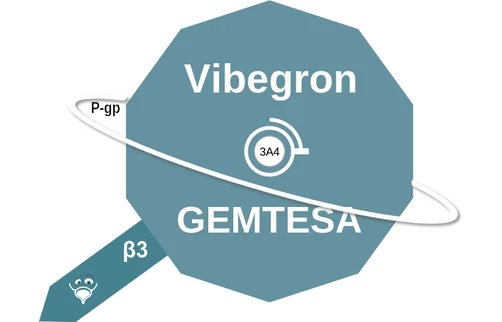
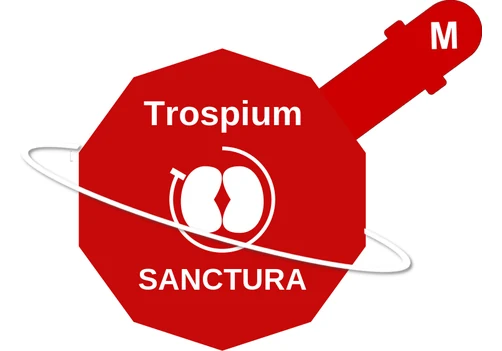
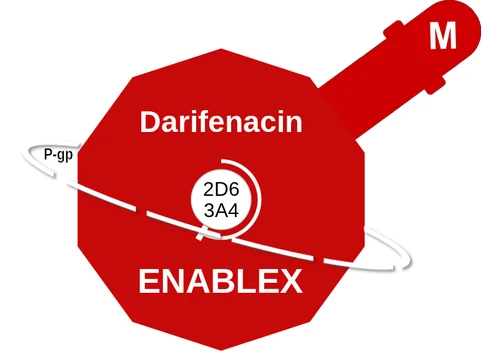
All clinical uses · Open Overactive bladder (OAB) in the interactive console ↗