Opioid use disorder (OUD)
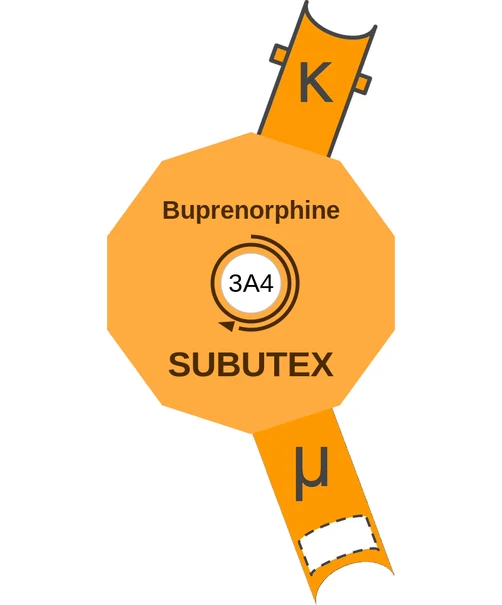
- Buprenorphine or methadone = first-line
- Both markedly reduce mortality
- Buprenorphine: easier/safer outpatient use
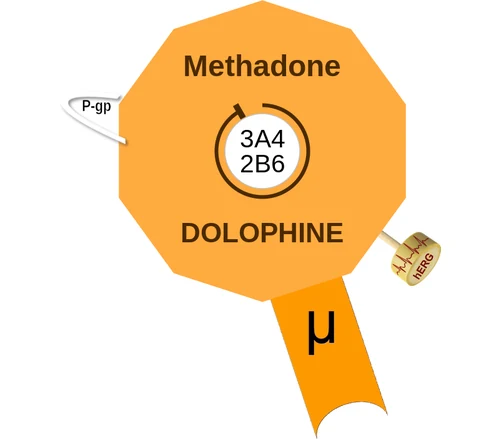
- Methadone: useful with high tolerance/structure
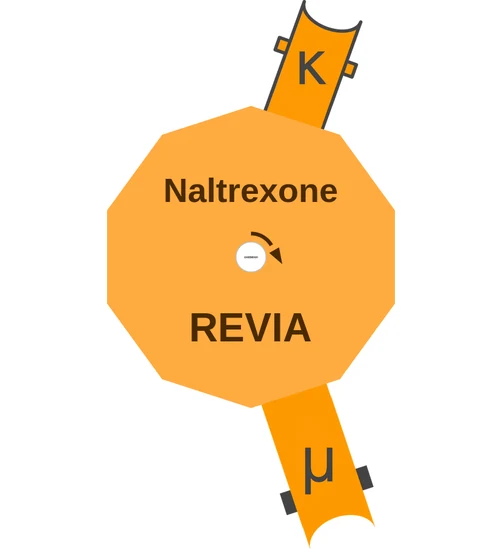
- XR naltrexone only after complete opioid detox
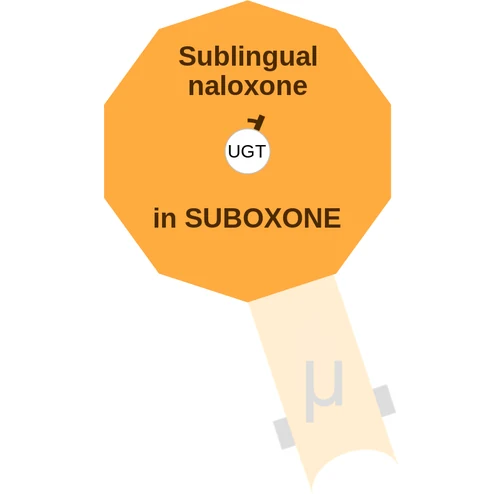
- Naloxone + harm-reduction counseling for all
Use at a glance
- Buprenorphine or methadone = first-line
Treatment options
- Both markedly reduce mortality
- Buprenorphine: easier/safer outpatient use
- Naloxone + harm-reduction counseling for all
Practical pearls
- Methadone: useful with high tolerance/structure
Other practical pearls
- XR naltrexone only after complete opioid detox
Key points
- Maintenance pharmacotherapy = standard of care for OUD
- Methadone maintenance ↓ mortality; respiratory depression and drug interactions concerning
- Buprenorphine preferred for most: safer than methadone, outpatient-prescribable, similar efficacy at higher doses
- ER naltrexone: motivated pts lacking buprenorphine/methadone access, opioid-averse, or comorbid AUD; mortality benefit unproven
- Pregnancy/breastfeeding: methadone or buprenorphine maintenance
- Overdose: naloxone drug of choice; nasal sprays now OTC
Nonpharmacologic therapies
- CBT
- Psychosocial therapy
- Supervised dosing in OTPs
- Ventilatory support in overdose
- Naloxone challenge test
Pearls
- Methadone → buprenorphine: taper, await withdrawal before first dose
- Buprenorphine → methadone: switch without delay
- Allow up to 14 opioid-free days before naltrexone
- Naloxone challenge can confirm readiness; avoid in pregnancy
Self-check
- What should all patients with OUD receive?
Naloxone + harm-reduction counseling. - What is first-line treatment for OUD?
Buprenorphine or methadone.
Drugs used for this (4)
All clinical uses · Open Opioid use disorder (OUD) in the interactive console ↗