Cellulitis / skin and soft-tissue infection (SSTI)
- Nonpurulent cellulitis → target streptococci
- Abscess → incision/drainage is primary therapy
- Add MRSA coverage for purulent/high-risk disease
- Severe systemic illness → IV broad therapy
- Elevation + edema management help recovery
- Recurrent cellulitis → address tinea/lymphedema
- Necrotizing concern → immediate surgery
Use at a glance
- Nonpurulent cellulitis → target streptococci
Treatment options
- Necrotizing concern → immediate surgery
Practical pearls
- Recurrent cellulitis → address tinea/lymphedema
Other treatment options
- Abscess → incision/drainage is primary therapy
- Severe systemic illness → IV broad therapy
- Elevation + edema management help recovery
Other practical pearls
- Add MRSA coverage for purulent/high-risk disease
Key points
- Small abscess: incision and drainage alone usually enough
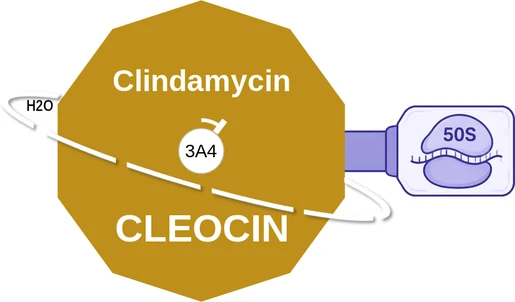
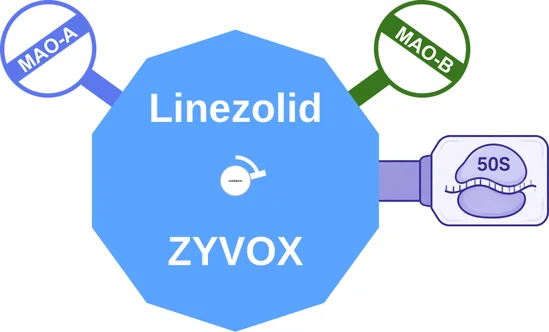
- Oral if needed: TMP-SMX, doxycycline/minocycline, clindamycin; linezolid costly alternative
- Strep also suspected → add a β-lactam to TMP-SMX or a tetracycline
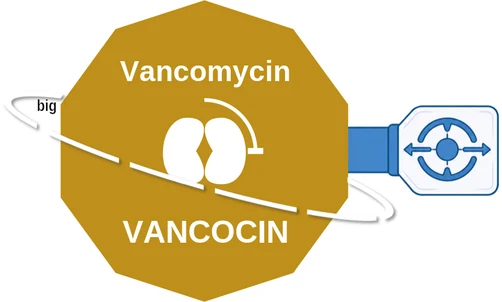
- Complicated/hospitalized: IV vancomycin; alternatives linezolid, daptomycin, ceftaroline
- Clindamycin: suppresses toxin production but carries a high C. difficile risk; avoid if D-test positive
- Fluoroquinolones: MRSA resistance common or emerges on therapy
Nonpharmacologic therapies
- Incision and drainage
Pearls
- Dalbavancin: two weekly IV doses enable outpatient MRSA therapy
- Oritavancin: one IV dose completes treatment
- Telavancin: vancomycin-level efficacy, more nephrotoxicity and GI effects
Self-check
- What is primary treatment for a skin abscess?
Incision and drainage. - What is required if necrotizing infection is suspected?
Immediate surgery.
Drugs used for this (17)
All clinical uses · Open Cellulitis / skin and soft-tissue infection (SSTI) in the interactive console ↗