Acne vulgaris
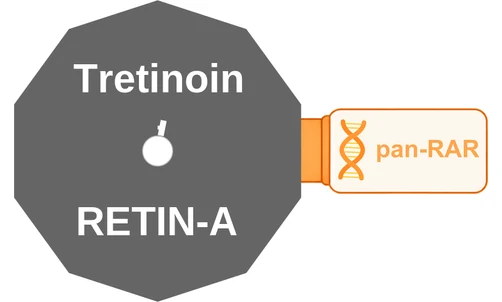
- Topical retinoid is a treatment foundation
- Add benzoyl peroxide for inflammatory acne
- Topical antibiotic should be paired with benzoyl peroxide
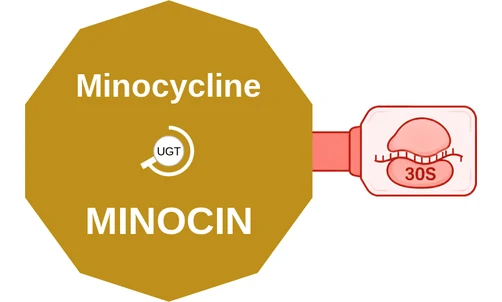
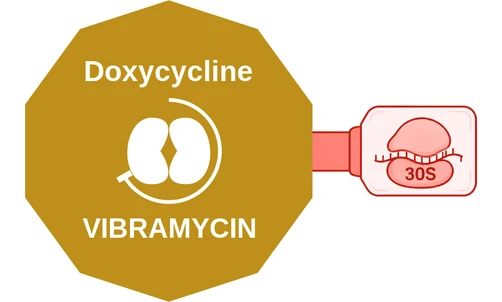
- Oral doxycycline/minocycline for moderate–severe inflammatory disease
- Isotretinoin for severe/scarring/refractory acne
- Hormonal therapy helps selected women
Use at a glance
- Topical retinoid is a treatment foundation
Practical pearls
- Add benzoyl peroxide for inflammatory acne
Treatment options
- Topical antibiotic should be paired with benzoyl peroxide
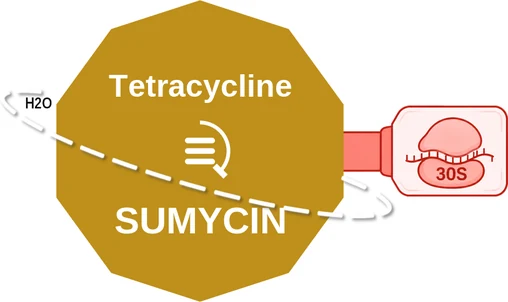
- Oral doxycycline/minocycline for moderate–severe inflammatory disease
Escalation / refractory disease
- Isotretinoin for severe/scarring/refractory acne
- Hormonal therapy helps selected women
Key points
- Initial: OTC salicylic acid or benzoyl peroxide
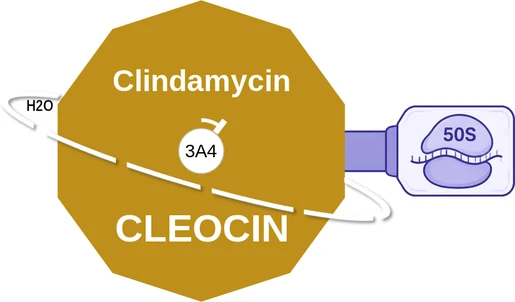
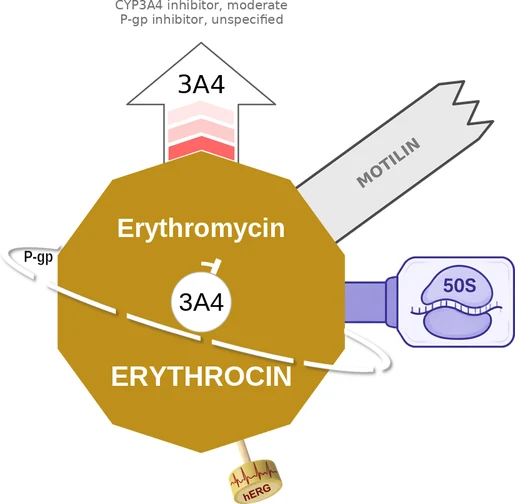
- Mild–moderate inflammatory: topical clindamycin/erythromycin + benzoyl peroxide
- 1st-line inflammatory/noninflammatory: topical retinoid ± benzoyl peroxide ± topical antibiotic
- Retinoid + antimicrobial combos beat either alone, esp. inflammatory acne
- Moderate–severe inflammatory unresponsive to topicals → add oral tetracycline
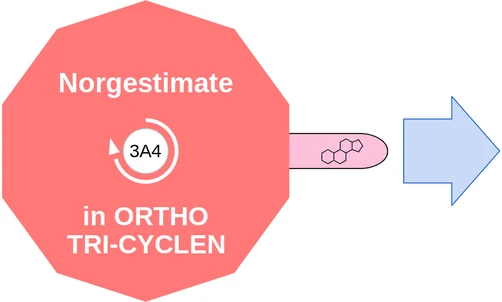
- Post-pubertal females: oral contraceptives or spironolactone effective
- Isotretinoin most effective; clears severe recalcitrant nodular acne; teratogenic, many AEs
Pearls
- Apply topical retinoids at night; avoid in pregnancy
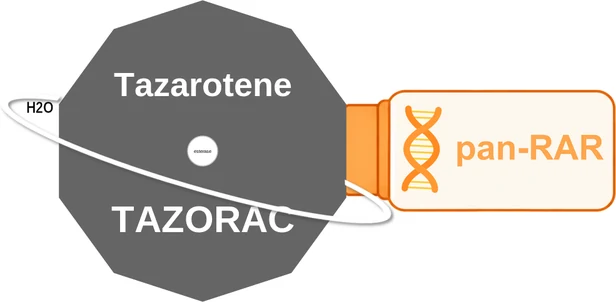
- Adapalene, tazarotene more light-stable than plain tretinoin
- Azelaic acid: gentler than benzoyl peroxide; may lighten darker skin
- Oral tetracyclines: not in pregnancy or children under 8
- Norethindrone progestin-only pills can worsen acne
Self-check
- What anchors acne treatment?
Topical retinoid. - What treats moderate–severe inflammatory acne?
Oral doxycycline/minocycline.
Drugs used for this (13)
All clinical uses · Open Acne vulgaris in the interactive console ↗