Sirolimus
RAPAMUNE
What it ismTOR inhibitor; transplant, lymphangioleiomyomatosis and vascular anomalies.
Why it mattersIts anti-lymphangiogenic effect makes it disease-modifying therapy for lymphangioleiomyomatosis, a role everolimus does not share.
What it changesImpaired wound healing, so it is avoided immediately post-transplant. Hyperlipidemia, pneumonitis and mouth ulcers.
FDA-approved for
- transplant immunosuppression (1999)
FDA label
Read the full label on DailyMed ↗
| FDA dosing | Population | Start | Target | Max |
|---|---|---|---|---|
| Renal transplant rejection prophylaxis (low–moderate immunologic risk) | Adults | 6 mg loading dose day 1, then 2 mg QD | Adjust to trough concentration | 40 mg/day |
| Renal transplant rejection prophylaxis (high immunologic risk) | Adults | Up to 15 mg loading dose day 1, then 5 mg QD | Adjust to trough concentration | 40 mg/day |
| Lymphangioleiomyomatosis (LAM) | Adults | 2 mg QD | Trough 5–15 ng/mL | 40 mg/day |
Titration Continue new maintenance dose for at least 7–14 days before further dose adjustment (long half-life)
Renal Undefined
Hepatic Reduce maintenance dose in hepatic impairment
Maximum dose on any day should not exceed 40 mg
Instructions
- Take orally once daily, consistently with or without food
- Do not crush, chew, or split tablets; patients unable to take tablets should use the oral solution
- Take 4 hours after cyclosporine (renal transplant)
- Therapeutic drug monitoring recommended for all patients
Cautions
- Increased susceptibility to infection and possible lymphoma/malignancy
- Hypersensitivity reactions and angioedema
- Fluid accumulation and impaired wound healing
- Hyperlipidemia
- Decline in renal function with long-term cyclosporine combination
- Proteinuria
- Interstitial lung disease / non-infectious pneumonitis
- Embryo-fetal toxicity
- Not recommended in liver or lung transplant
Adverse reactions
- Peripheral edema
- Hypertriglyceridemia
- Hypertension
- Hypercholesterolemia
- Increased creatinine
- Abdominal pain
- Diarrhea
- Headache
- Fever
- Urinary tract infection
- Anemia
- Nausea
- Arthralgia
- Thrombocytopenia
Pregnancy Can cause fetal harm; use highly effective contraception during treatment and for 12 weeks after final dose
Lactation Breastfeeding not recommended (potential for serious adverse effects in breastfed infants based on mechanism of action)
⚠ BOXED WARNINGS
- Immunosuppression, infection and lymphoma
- Not recommended in liver or lung transplantation
Cost, est. cash$50–$10,000/month or cycle
Generic entry2014
Classes and tags
Clinical profile
Legacy pregnancy categoryD
Defining liabilityMyelosuppression, dyslipidemia, impaired healing, pneumonitis and interaction burden.
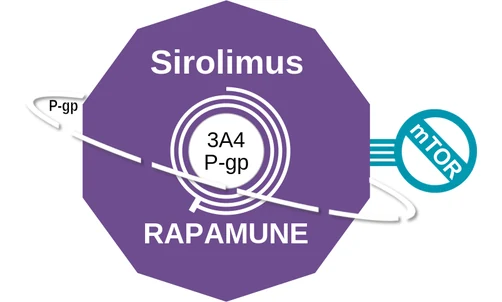
Mechanism of action: Sirolimus ballicule
Open Sirolimus in the interactive console ↗
Memory aids: mascots and interaction avatars
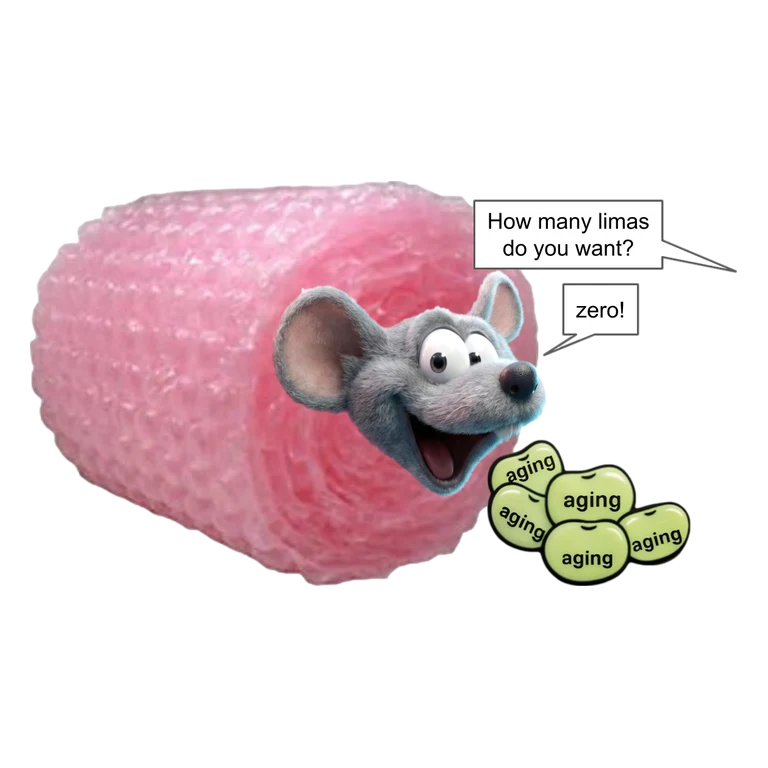
studied as an anti-aging therapy