Rosacea
- Avoid triggers + use gentle skin care/sunscreen
- Topical metronidazole/azelaic acid/ivermectin for papules
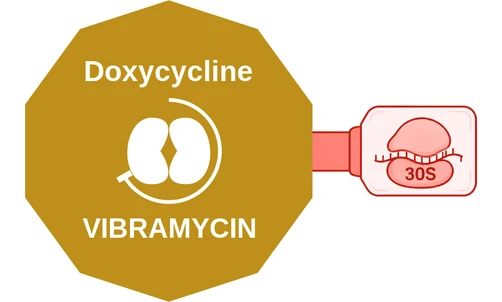
- Oral doxycycline for more inflammatory disease
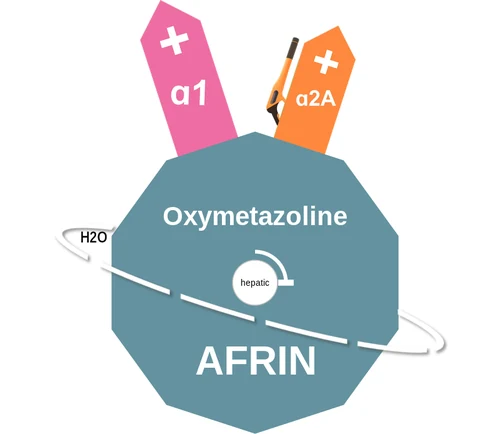
- Brimonidine/oxymetazoline can reduce persistent erythema
- Laser/light therapy treats telangiectasia
- Avoid chronic topical corticosteroids
Use at a glance
- Avoid triggers + use gentle skin care/sunscreen
Practical pearls
- Topical metronidazole/azelaic acid/ivermectin for papules
- Oral doxycycline for more inflammatory disease
Treatment options
- Brimonidine/oxymetazoline can reduce persistent erythema
- Laser/light therapy treats telangiectasia
Safety / pitfalls
- Avoid chronic topical corticosteroids
Key points
- Inflammatory lesions, initial: topical metronidazole or azelaic acid ± oral doxycycline
- Papulopustular: ivermectin cream > metronidazole cream
- Topical retinoids if topical antimicrobials fail
- Brimonidine, oxymetazoline (topical α-agonists) ↓ erythema only; no effect on lesions
- Oral low-dose doxycycline: papules, pustules, erythema; prolonged courses needed
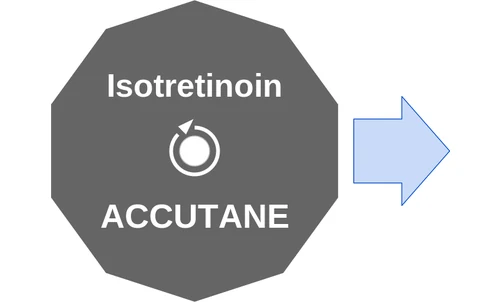
- Isotretinoin: severe refractory papulopustular disease; only drug (besides light therapy) reducing telangiectasia
Nonpharmacologic therapies
- Light therapy
- Laser therapy
Pearls
- Topical therapy takes 4–6 weeks to show benefit
- Metronidazole and azelaic acid roughly equivalent
- Brimonidine/oxymetazoline: rebound erythema can exceed baseline
- Carvedilol or propranolol quickly reduce flushing and erythema
- Check eyes: blepharitis and conjunctivitis common
Self-check
- What can reduce persistent rosacea erythema?
Brimonidine/oxymetazoline. - Which topical treatment should not be used chronically for rosacea?
Corticosteroids.
Drugs used for this (8)
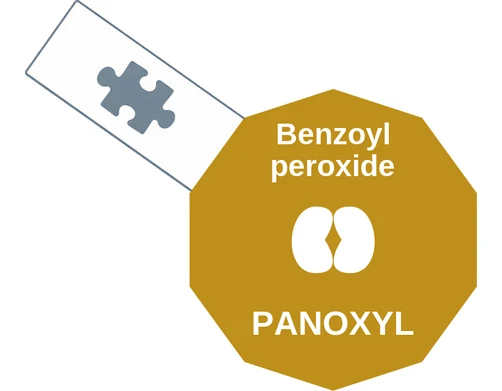
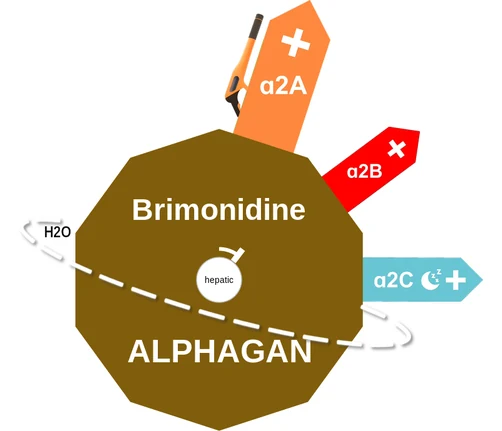
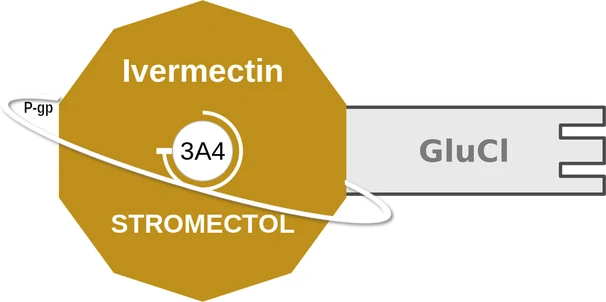
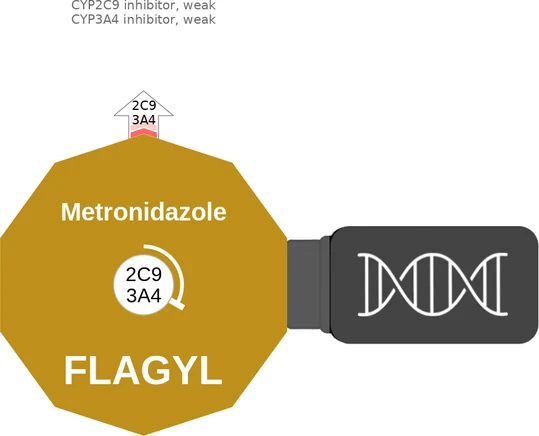
All clinical uses · Open Rosacea in the interactive console ↗