Non-small cell lung cancer (NSCLC, ALK-positive)
- Use ALK-targeted TKI rather than routine first-line chemotherapy
- CNS-active next-generation ALK inhibitors are preferred
- Alectinib/lorlatinib-class agents provide strong brain control
- Resistance mutations guide later sequencing
- Avoid relying on PD-1 monotherapy despite high PD-L1
- Monitor drug-specific hepatic, lipid + neurologic toxicities
Use at a glance
- Use ALK-targeted TKI rather than routine first-line chemotherapy
Choosing treatment
- CNS-active next-generation ALK inhibitors are preferred
- Resistance mutations guide later sequencing
Practical pearls
- Alectinib/lorlatinib-class agents provide strong brain control
Monitoring / follow-up
- Avoid relying on PD-1 monotherapy despite high PD-L1
- Monitor drug-specific hepatic, lipid + neurologic toxicities
Self-check
- What is used instead of routine first-line chemotherapy in ALK-positive NSCLC?
ALK-targeted TKI rather than routine first-line chemotherapy. - What should not be relied on despite high PD-L1 in ALK-positive NSCLC?
Relying on PD-1 monotherapy despite high PD-L1.
Drugs used for this (4)
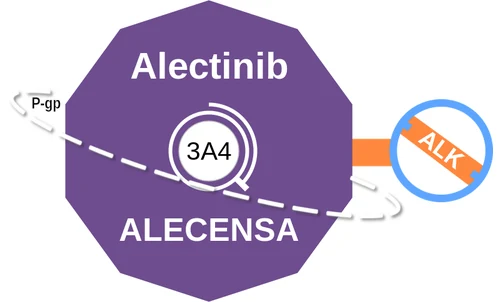
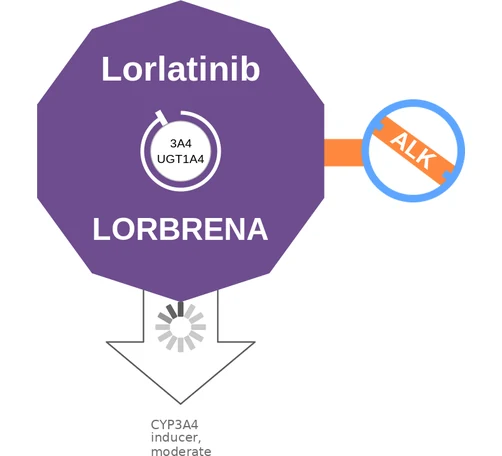
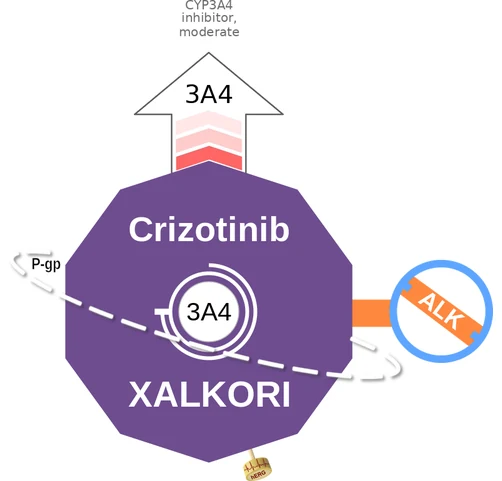
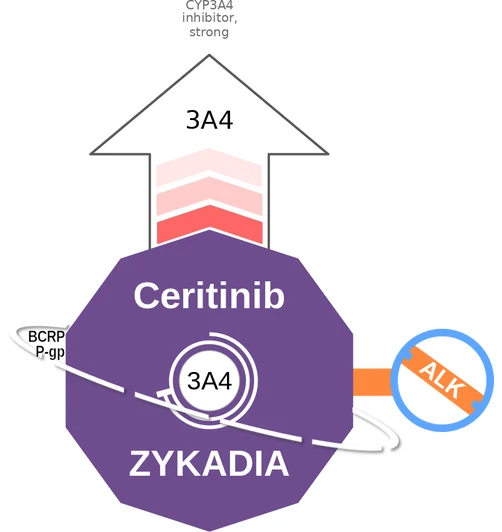
All clinical uses · Open Non-small cell lung cancer (NSCLC, ALK-positive) in the interactive console ↗