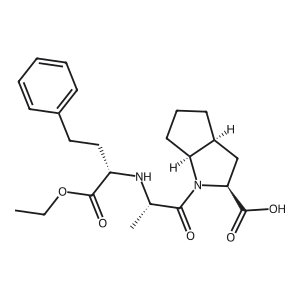
Ramipril
ALTACE
Pronunciation: ra-MI-pril
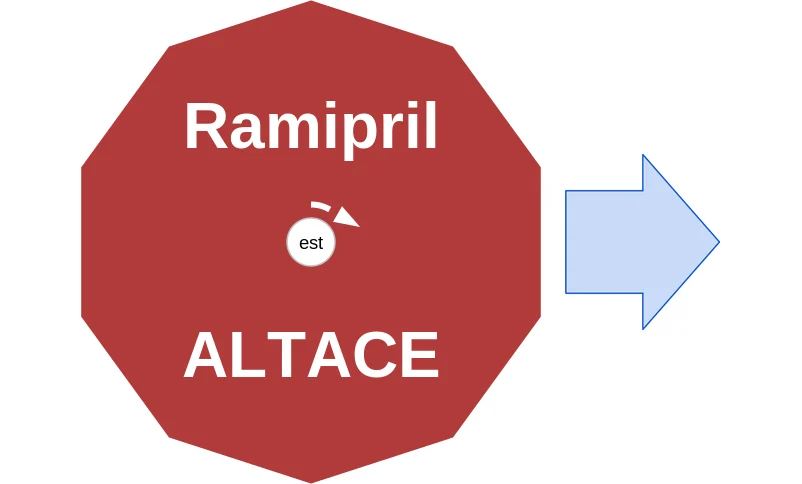

“Rammin’ the Altar of ACE”
Easter/April theme → ACE inhibitor = -pril (aPril)
Bananas in bunches → ↑ serum potassium
What it isACE inhibitor; hypertension, heart failure and cardiovascular risk reduction.
Why this oneCardiovascular event reduction in high-risk patients without heart failure, which is a broader indication than most of the class carries.
What limits itCough, hyperkalemia and the hemodynamic creatinine rise. Contraindicated in pregnancy.
Ramipril prescription history
Animated chart of estimated U.S. prescriptions per year, RAAS inhibitors (1981–2026). Ramipril enters in 1991 (estimated).
FDA-approved for
- hypertension (1991)
- cardiovascular risk reduction (2000)
Principal riskAngioedema and hyperkalemia
Classes and tags
Clinical profile
Legacy pregnancy categoryD
Defining liabilityHyperkalemia, kidney injury, angioedema, fetal toxicity and increased lithium exposure.
FDA label
Read the full label on DailyMed ↗
| FDA dosing | Population | Start | Target | Max |
|---|---|---|---|---|
| Hypertension | Adults (no diuretic) | 2.5 mg QD | 2.5-20 mg/day QD or divided BID | 20 mg/day |
| Reduce risk of MI/stroke/CV death | Adults | 2.5 mg QD x1 wk, then 5 mg QD x3 wk | 10 mg QD | 10 mg/day |
| Heart failure post-MI | Adults | 2.5 mg BID (1.25 mg BID if hypotensive) | 5 mg BID | 5 mg BID |
Titration HTN: reassess after 2-4 wks; HF post-MI: increase ~3 wks apart
Renal HTN & HF with renal impairment: initial 1.25 mg QD; adjust downward in moderate-severe impairment
Hepatic Impaired liver function may markedly elevate ramipril levels; use caution
Instructions
- May be given once daily or in two divided doses
- Discontinue as soon as possible if pregnancy detected
Available strengths
- cap 1.25, 2.5, 5, 10 mg
Contraindications
- History of angioedema with any ACE inhibitor, or hereditary/idiopathic angioedema
- Concomitant neprilysin inhibitor (sacubitril); do not use within 36 h of sacubitril/valsartan
- With aliskiren in patients with diabetes
Cautions
- Angioedema (increased risk with prior history)
- Hypotension and hyperkalemia
- Renal impairment — monitor renal function
- Avoid dual RAS blockade (ACEi + ARB)
- Rare cholestatic jaundice / hepatic failure
- Rare neutropenia / agranulocytosis
Adverse reactions
- Headache
- Dizziness
- Fatigue/asthenia
- Cough
Pregnancy Contraindicated implication — fetal renal toxicity, oligohydramnios, skull hypoplasia, death in 2nd/3rd trimester; discontinue when detected
Lactation Not recommended in nursing mothers
Cost
Generic entry2005
Active metabolites
Open Ramipril in the interactive console ↗
Memory aids: interaction avatars

Open Ramipril in the interactive console ↗
Self-check
- Ramipril: Does its high-risk cardiovascular benefit require heart failure?
No. - Ramipril: Which electrolyte can rise?
Potassium.