Antineoplastics (BTK inhibitors)
- Block B-cell receptor signaling through BTK
- CLL + several B-cell malignancies
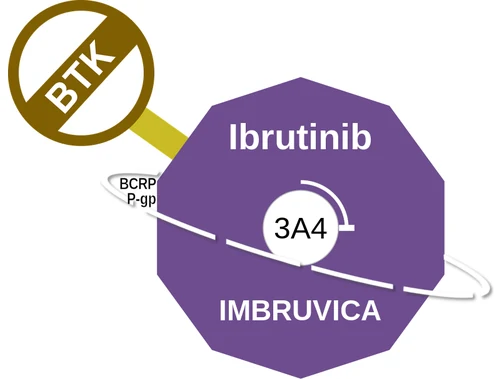
- Ibrutinib: effective but more off-target toxicity
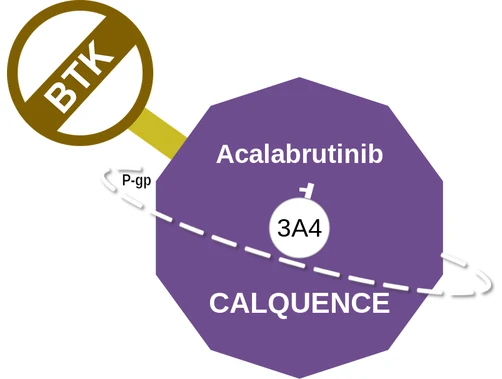
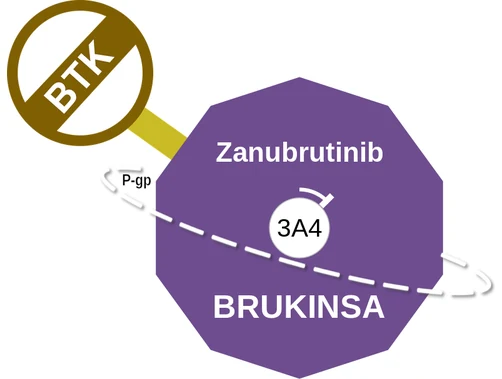
- Acalabrutinib/zanubrutinib more selective
- Bleeding + atrial fibrillation are key issues
- CYP3A interactions can markedly alter exposure
- Infection + cytopenia risk persists
Class at a glance
- Block B-cell receptor signaling through BTK
Safety / monitoring
- Ibrutinib: effective but more off-target toxicity
- Acalabrutinib/zanubrutinib more selective
Pharmacology
- CYP3A interactions can markedly alter exposure
Practical pearls
- CLL + several B-cell malignancies
Safety distinctions
- Bleeding + atrial fibrillation are key issues
- Infection + cytopenia risk persists
Self-check
- How does Antineoplastics (BTK inhibitors) work?
Block B-cell receptor signaling through BTK. - Key risk with Antineoplastics (BTK inhibitors)?
Bleeding + atrial fibrillation are key issues.
Drugs in this class (3)
Antineoplastics (BTK inhibitors) prescription history
Animated chart of estimated U.S. prescriptions per year, Tyrosine kinase inhibitors (2001–2026). BTK inhibitors highlighted from 2013.
All drug classes · Open Antineoplastics (BTK inhibitors) in the interactive console ↗