Antineoplastics (ALK inhibitors)
- Target oncogenic ALK signaling
- Major use: ALK-positive NSCLC
- Alectinib/lorlatinib are key modern agents
- CNS penetration is clinically important
- Bradycardia, edema + hepatic AEs vary
- Lorlatinib: lipids + neuropsychiatric effects
- Resistance mutation pattern can guide sequencing
Class at a glance
- Target oncogenic ALK signaling
Members / distinctions
- Alectinib/lorlatinib are key modern agents
- Lorlatinib: lipids + neuropsychiatric effects
Clinical role
- Major use: ALK-positive NSCLC
- CNS penetration is clinically important
- Resistance mutation pattern can guide sequencing
Practical pearls
- Bradycardia, edema + hepatic AEs vary
Self-check
- What is the major use of ALK inhibitors?
ALK-positive NSCLC. - What can guide sequencing of ALK inhibitors?
Resistance mutation pattern.
Drugs in this class (4)
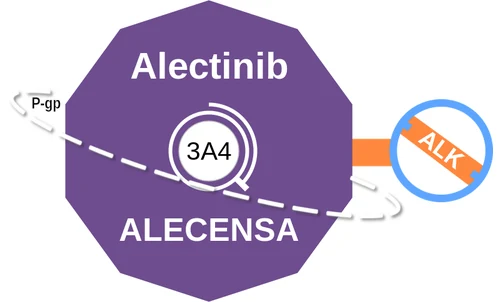
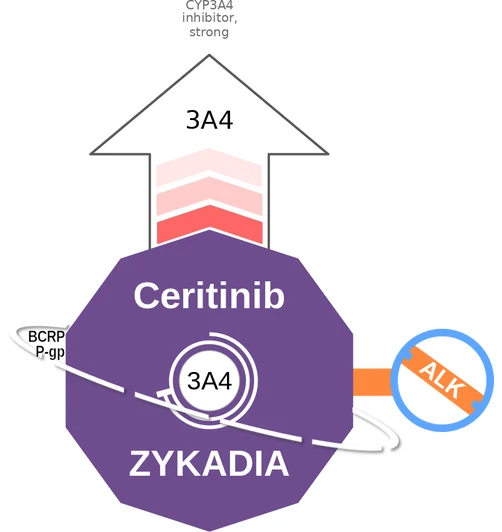
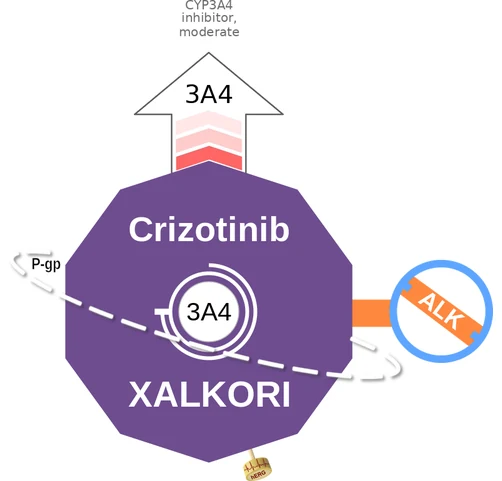
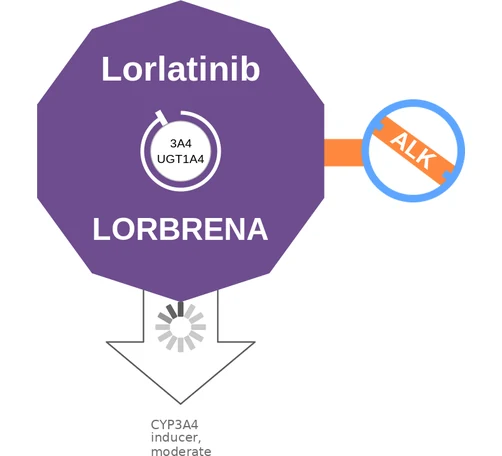
Antineoplastics (ALK inhibitors) prescription history
Animated chart of estimated U.S. prescriptions per year, Tyrosine kinase inhibitors (2001–2026). ALK / ROS1 / TRK inhibitors highlighted from 2011.
All drug classes · Open Antineoplastics (ALK inhibitors) in the interactive console ↗