Rheumatoid arthritis (RA)
- Start a disease-modifying drug early
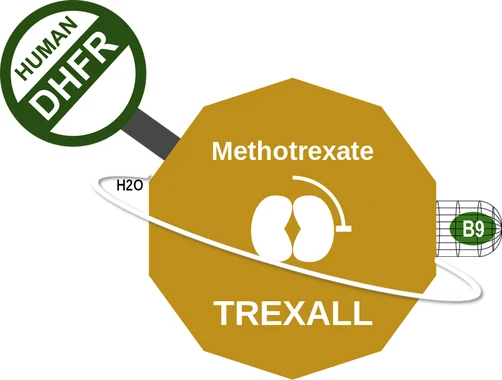
- Methotrexate is usual anchor for active RA
- Treat-to-target: remission or low disease activity
- Inadequate response → biologic/targeted DMARD
- Short steroid bridge only when necessary
- Screen infection/vaccines before immunosuppression
- NSAIDs help pain but do not prevent joint damage
Use at a glance
- Start a disease-modifying drug early
Practical pearls
- Screen infection/vaccines before immunosuppression
Other practical pearls
- Methotrexate is usual anchor for active RA
- Treat-to-target: remission or low disease activity
- Inadequate response → biologic/targeted DMARD
Choosing treatment
- Short steroid bridge only when necessary
Safety / pitfalls
- NSAIDs help pain but do not prevent joint damage
Key points
- Initial therapy: conventional DMARD
- Moderate–high activity: methotrexate 1st choice
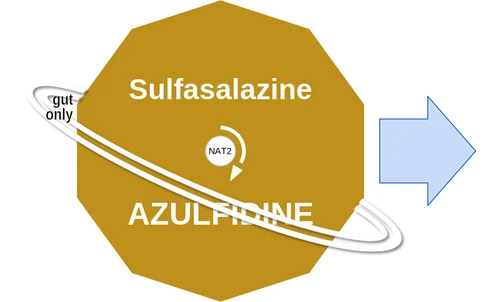
- Low activity: hydroxychloroquine and/or sulfasalazine
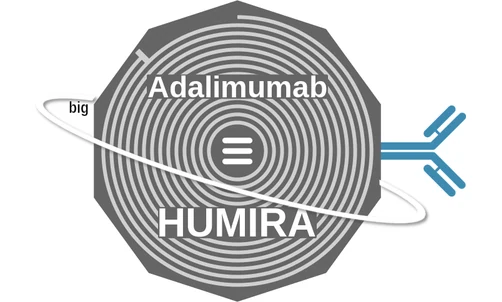
- Max-tolerated MTX inadequate → add biologic (TNF inhibitor)
- Alternative to biologic: triple therapy MTX + HCQ + SSZ
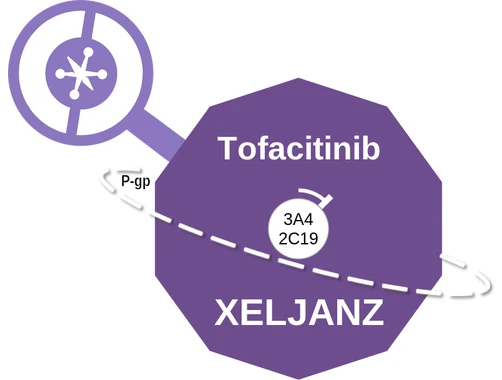
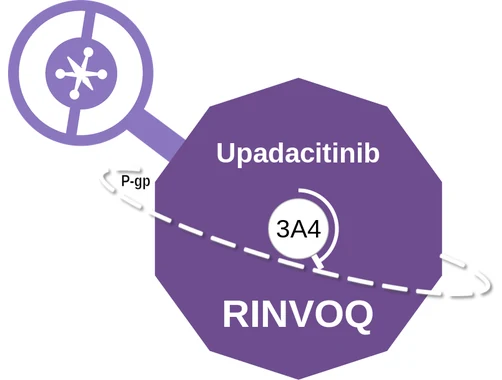
- JAK inhibitors only after ≥1 TNF inhibitor fails or intolerable
- Corticosteroids <3 mo for bridging; ↑ infection, other serious AEs
Pearls
- TNF inhibitors act faster than conventional DMARDs
- One TNF inhibitor fails → another may still work
- Certolizumab: minimal placental transfer; useful in pregnancy
- Avoid TNF inhibitors in demyelinating disease or NYHA III–IV HF
- HBsAg-positive: antiviral prophylaxis with biologics/JAKis; HBcAb-positive with rituximab
Self-check
- What drug type starts early in RA?
A disease-modifying drug. - What follows inadequate RA response?
Biologic/targeted DMARD.
Drugs used for this (13)


All clinical uses · Open Rheumatoid arthritis (RA) in the interactive console ↗