Psoriasis
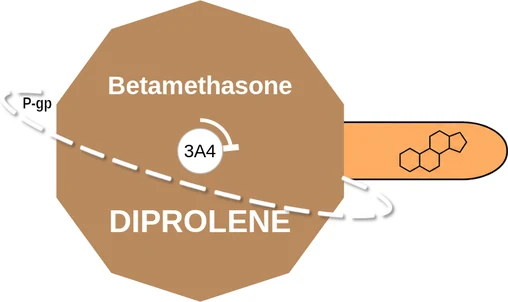
- Topical steroid ± vitamin-D analog for limited disease
- Phototherapy for broader skin involvement
- Moderate–severe disease → biologic or systemic drug
- IL-17/IL-23 inhibitors are highly effective
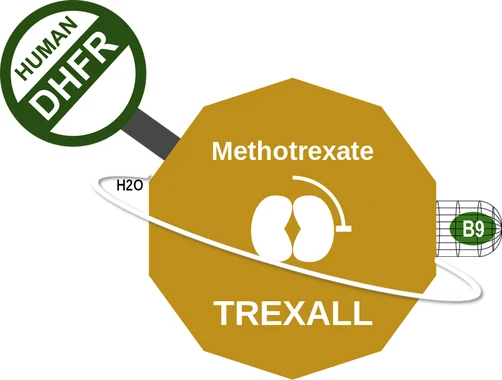
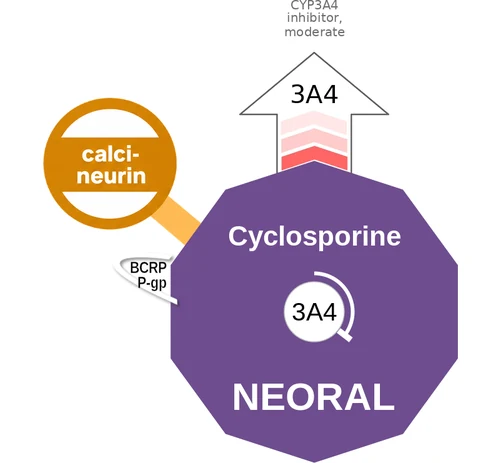
- Methotrexate/cyclosporine remain selected options
- Screen for psoriatic arthritis
Use at a glance
- Topical steroid ± vitamin-D analog for limited disease
Treatment options
- Phototherapy for broader skin involvement
Practical pearls
- IL-17/IL-23 inhibitors are highly effective
- Screen for psoriatic arthritis
Choosing treatment
- Moderate–severe disease → biologic or systemic drug
- Methotrexate/cyclosporine remain selected options
Key points
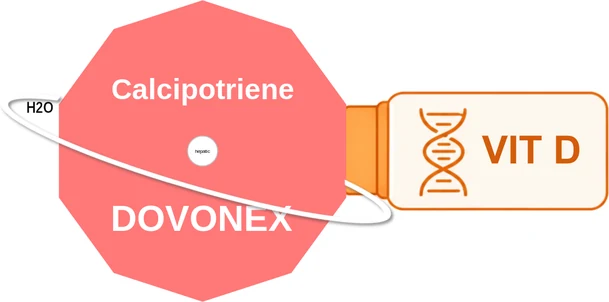
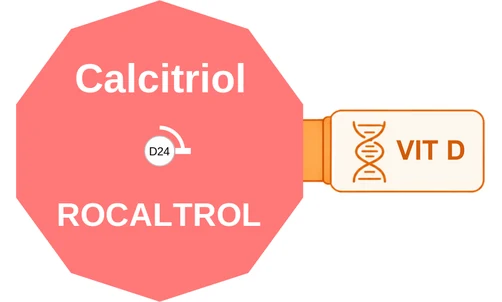
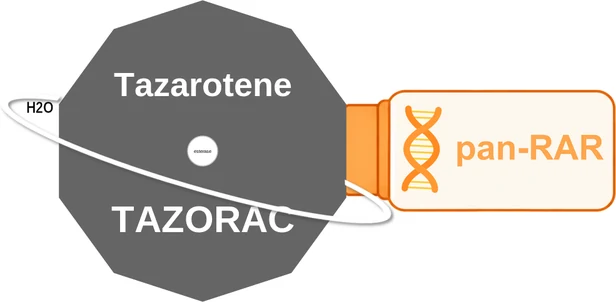
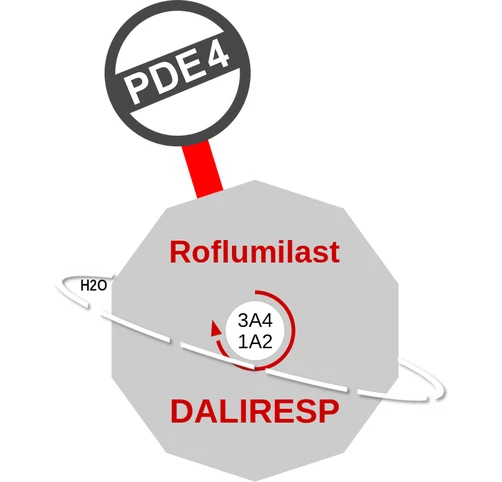
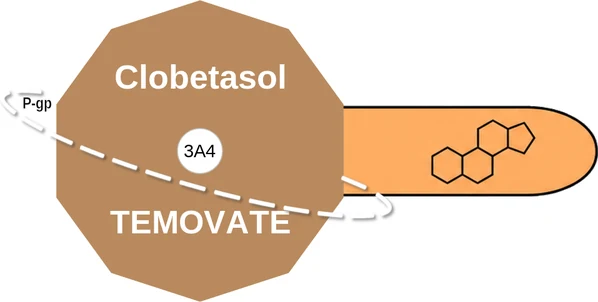
- Mild–moderate: topical corticosteroids 1st; vitamin D analogs, tazarotene, tapinarof, roflumilast as alternatives/add-ons
- UV phototherapy: widespread or topical-refractory mild–moderate disease
- Moderate–severe → systemic therapy; biologics most effective
- IL-17A, IL-17RA, IL-17A/F, IL-23 antagonists > some TNF inhibitors and ustekinumab (IL-12/23)
- Methotrexate effective; cyclosporine ≥ methotrexate but limit to ≤1 yr
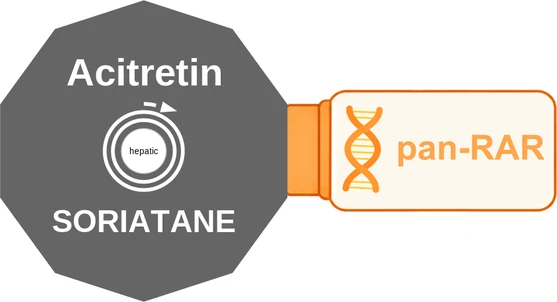
- Acitretin effective; significant mucocutaneous toxicity
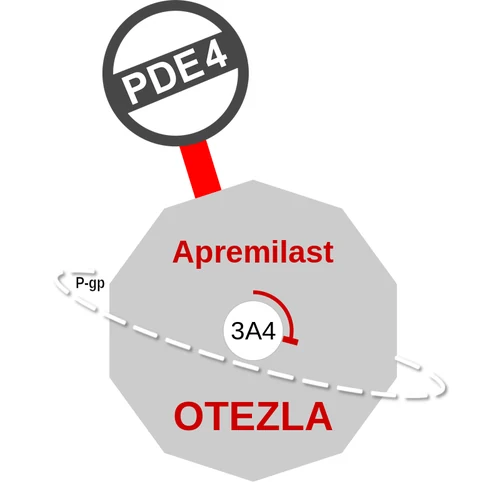
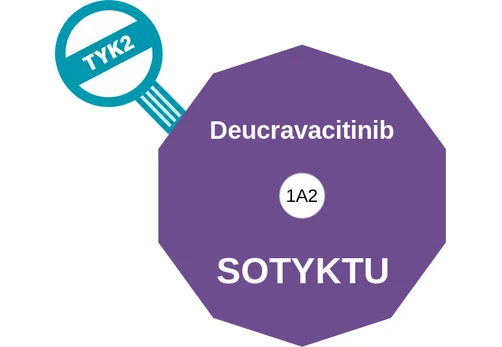
- Apremilast, deucravacitinib: costly oral alternatives
Nonpharmacologic therapies
- UV phototherapy
- Narrow-band UVB
- Broad-band UVB
- PUVA
- Excimer laser
Pearls
- Ointments most effective topical vehicle; alcohol foams sting
- Narrowband UVB beats broadband; PUVA raises skin cancer risk
- IL-17 inhibitors can trigger or worsen inflammatory bowel disease
- Etanercept least effective TNF inhibitor for skin clearance
- Screen for TB before any biologic
Self-check
- What is used for limited psoriasis?
Topical steroid ± vitamin-D analog. - What treats moderate–severe psoriasis?
Biologic or systemic drug.
Drugs used for this (23)

All clinical uses · Open Psoriasis in the interactive console ↗