Obesity / chronic weight management
- Lifestyle + long-term medical management
- Pharmacotherapy if BMI/risk justifies it
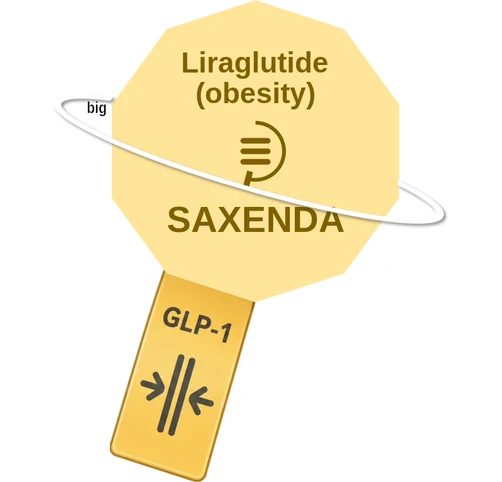
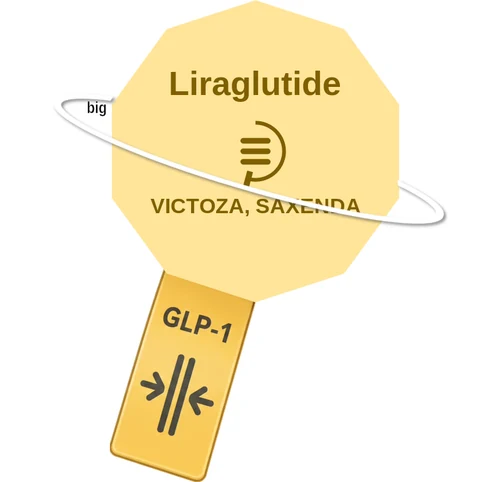
- Tirzepatide/semaglutide: greatest current efficacy
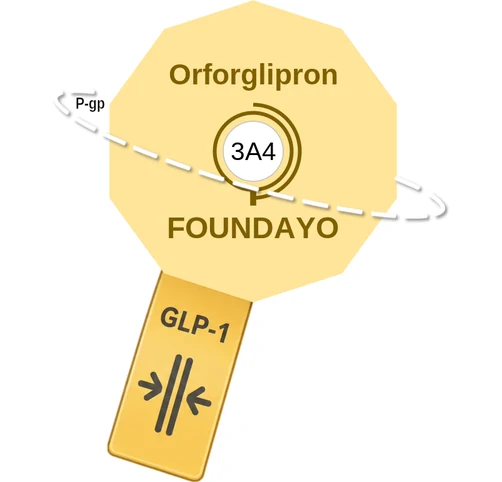
- Orforglipron adds an oral GLP-1 option
- Match drug to diabetes, CV risk + AEs
- Weight regain is common after stopping therapy
- Severe obesity → consider metabolic surgery
Use at a glance
- Lifestyle + long-term medical management
Treatment options
- Severe obesity → consider metabolic surgery
Other treatment options
- Tirzepatide/semaglutide: greatest current efficacy
- Orforglipron adds an oral GLP-1 option
- Weight regain is common after stopping therapy
Choosing treatment
- Pharmacotherapy if BMI/risk justifies it
- Match drug to diabetes, CV risk + AEs
Key points
- Candidates: BMI ≥30, or ≥27 + ≥1 weight-related comorbidity
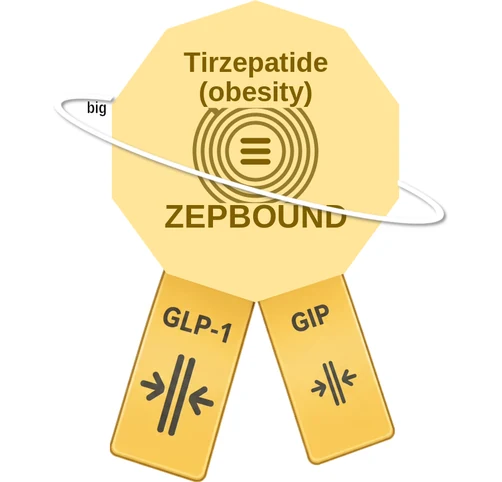
- Most effective: tirzepatide (Zepbound), SC GIP/GLP-1 RA
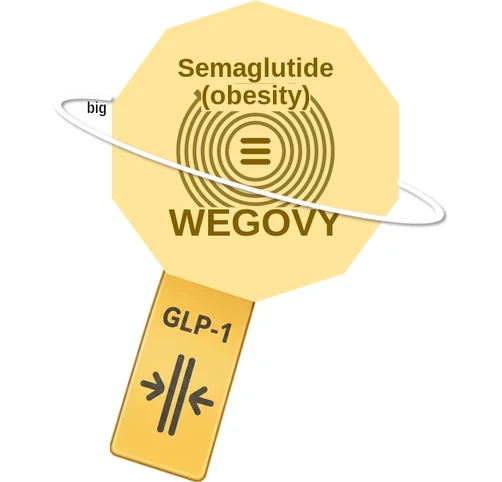
- Semaglutide (Wegovy) SC also highly effective; ↓ MACE with or without T2DM
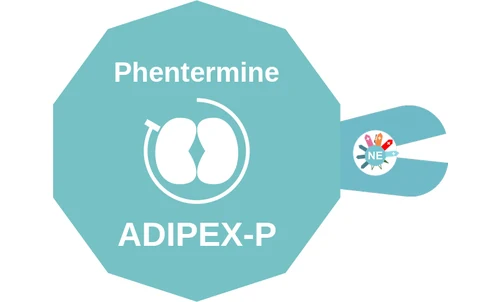
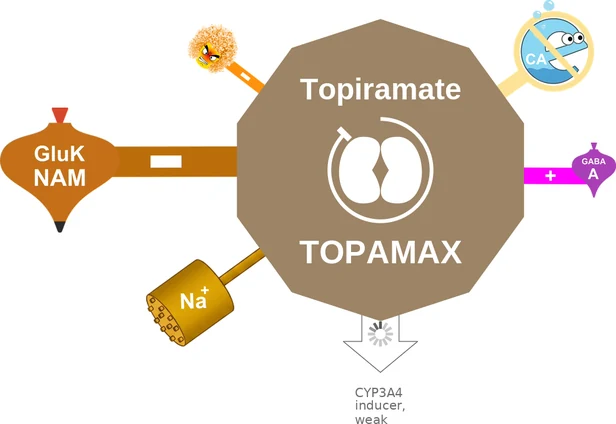
- Best oral option: phentermine/topiramate (Qsymia)
- Intragastric balloons (Orbera, Obalon): only if pharmacotherapy not tolerated or inadequate
Nonpharmacologic therapies
- Diet
- Exercise
- Behavior modification
- Intragastric balloon
- Oral superabsorbent hydrogel
- Bariatric surgery
Pearls
- Even 5–10% loss lowers diabetes, hypertension, dyslipidemia risk
- Incretins produce less weight loss in patients with diabetes
- Orlistat: weak efficacy, GI effects; generally not recommended
- Phentermine-type drugs: labeled ≤12 weeks; avoid in CVD
- Lifestyle-only trial no longer required before drugs
Self-check
- What guides weight-management drug choice?
Diabetes, CV risk + AEs. - What is considered for severe obesity?
Consider metabolic surgery.
Drugs used for this (12)
All clinical uses · Open Obesity / chronic weight management in the interactive console ↗