Menopausal vasomotor symptoms (VMS)
- Menopausal hormone therapy is most effective
- Add progestogen if uterus is present with systemic estrogen
- Nonhormonal: SSRI/SNRI, gabapentin + others
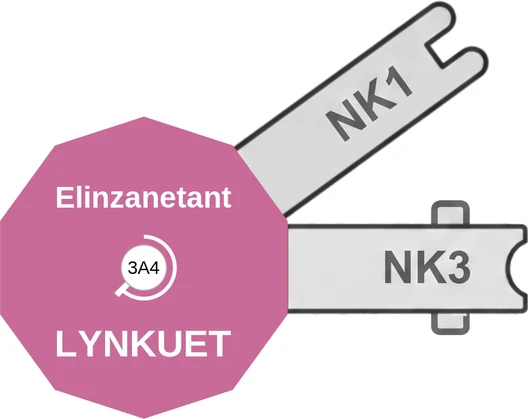
- Neurokinin antagonists offer targeted nonhormonal therapy
- Choose by VTE/cancer/CV risk + symptom burden
- Reassess need/dose periodically
Use at a glance
- Menopausal hormone therapy is most effective
Treatment options
- Nonhormonal: SSRI/SNRI, gabapentin + others
- Neurokinin antagonists offer targeted nonhormonal therapy
Choosing treatment
- Add progestogen if uterus is present with systemic estrogen
Monitoring / follow-up
- Choose by VTE/cancer/CV risk + symptom burden
- Reassess need/dose periodically
Key points
- GSM without significant VMS: low-dose vaginal estrogen; progestogen generally unnecessary
- GSM, estrogen unwanted/unable: oral ospemifene or intravaginal prasterone
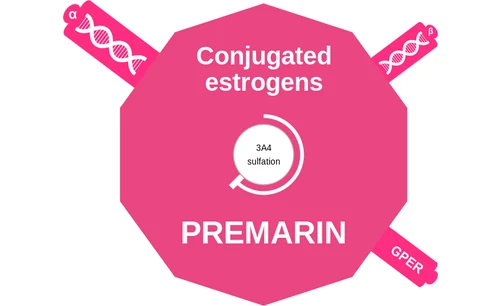
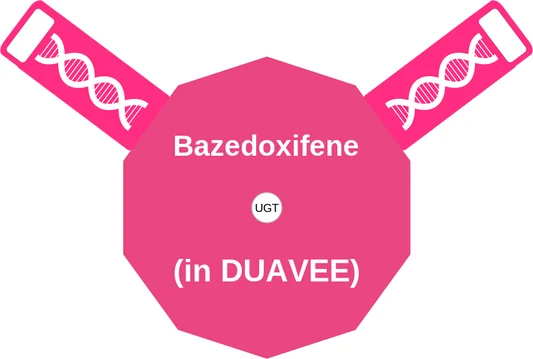
- VMS: systemic estrogen most effective; intact uterus → add progestogen or bazedoxifene/CE
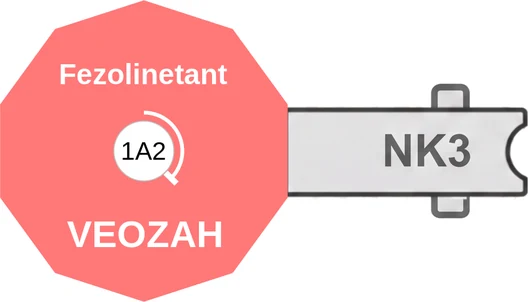
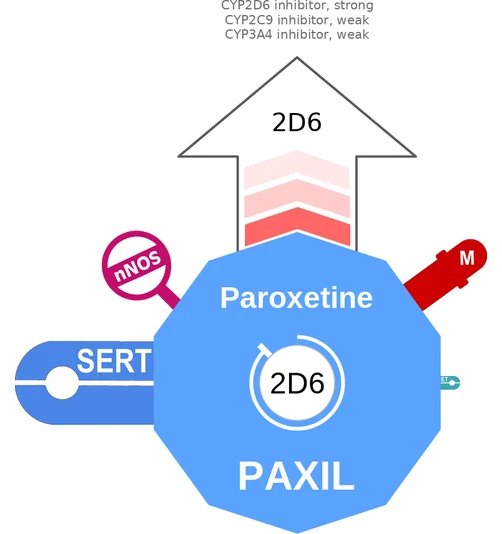
- Nonhormonal VMS options: fezolinetant (NK3 antagonist) or SSRI
Nonpharmacologic therapies
- Vaginal moisturizers
- Vaginal lubricants
- Soy isoflavones
- Flaxseed
- Black cohosh
- Other botanical supplements
- Acupuncture
Pearls
- Transdermal estrogen: lower VTE risk; preferred with obesity or CV risk
- Start systemic HT before 60 or within 10 years of menopause
- Bioidentical or compounded hormones: no efficacy or safety advantage
- Escitalopram, venlafaxine about as effective as low-dose estradiol
- Black cohosh no better than placebo; hepatotoxicity reported
Self-check
- What guides menopausal VMS treatment?
VTE/cancer/CV risk + symptom burden. - What accompanies systemic estrogen when the uterus is present?
A progestogen.
Drugs used for this (11)
All clinical uses · Open Menopausal vasomotor symptoms (VMS) in the interactive console ↗