Scopolamine
TRANSDERM SCOP
What it isAntimuscarinic; motion sickness and secretion control.
Why this oneThe patch gives 72 hours of prophylaxis, which no oral agent matches.
What limits itIt crosses into the CNS, causing confusion in the elderly. Anisocoria from hand-to-eye transfer is a classic false alarm; wash hands after applying.
FDA-approved for
- motion sickness (1979)
Off-label
- excessive secretions
- depression (investigational)
FDA label
Read the full label on DailyMed ↗
| FDA dosing | Population | Start | Target | Max |
|---|---|---|---|---|
| Motion sickness — prevention of nausea/vomiting | adult | 1 transdermal system (1 mg/3 days) behind ear ≥4 h before needed | 1 system worn up to 3 days; if longer needed, replace with new system behind other ear | 1 system at a time |
| Postoperative nausea and vomiting (PONV; non-cesarean surgery) | adult | 1 transdermal system the evening before surgery | Remove 24 h after surgery | 1 system at a time |
Renal Consider more frequent monitoring (increased risk of CNS adverse reactions)
Hepatic Consider more frequent monitoring (increased risk of CNS adverse reactions)
Delivers ~1 mg scopolamine over 3 days; apply ≥4 h before antiemetic effect is needed
Instructions
- Apply to dry, hairless skin behind one ear; wear only one system at a time; do not cut
- Wash hands thoroughly after applying or removing; wash application site after removal
- Avoid touching/pressing the applied system (drug can ooze at edge); if displaced, replace with new system behind the other ear
- Fold used system sticky-sides together and discard away from children/pets
- Remove before MRI (skin burn risk)
Contraindications
- Angle-closure glaucoma
- Hypersensitivity to scopolamine or other belladonna alkaloids
Cautions
- Acute angle-closure glaucoma from mydriatic effect
- Neuropsychiatric adverse reactions (disorientation, hallucinations, acute psychosis); increased risk in elderly, renal/hepatic impairment, and with anticholinergics/CNS drugs
- Eclamptic seizures — avoid in severe preeclampsia
- GI and urinary disorders — worsens pyloric/intestinal obstruction and urinary retention
- Hyperthermia (serious cases reported)
- Withdrawal/post-removal symptoms (dizziness, nausea, vomiting, headache) 24 h or more after removal
- Temporary blurred vision/mydriasis, esp. after touching system then eye
- Remove before MRI — skin burns
Adverse reactions
- Dry mouth
- Drowsiness/somnolence
- Blurred vision
- Mydriasis
- Dizziness
- Agitation
- Confusion
- Pharyngitis
Pregnancy Avoid in severe preeclampsia (eclamptic seizures reported after parenteral scopolamine); observational data show no drug-associated risk of major birth defects/miscarriage
Lactation Present in human milk; no data on infant effects or milk production; weigh benefits
NO BOXED WARNINGS
Principal riskCNS confusion in the elderly; anisocoria from hand transfer
Cost, est. cash$10–$400/month
Generic entry2015
Classes and tags
Clinical profile
Legacy pregnancy categoryC
Defining liabilityGenerally tolerated at therapeutic doses; clinically important risks are agent-specific and increase with interactions or organ impairment.
Mechanism of action: Scopolamine ballicule
Open Scopolamine in the interactive console ↗
Memory aids: mascots and interaction avatars
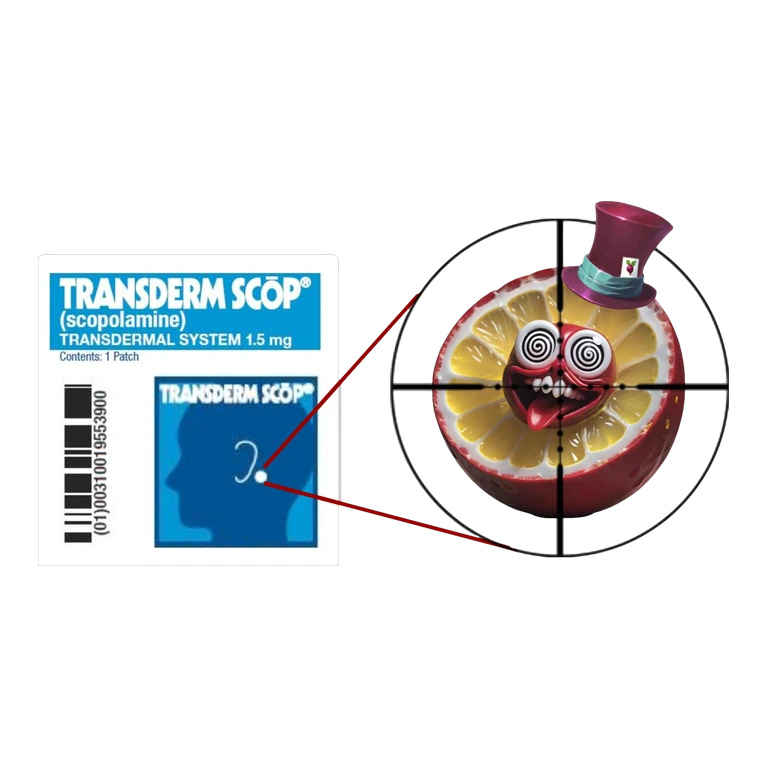
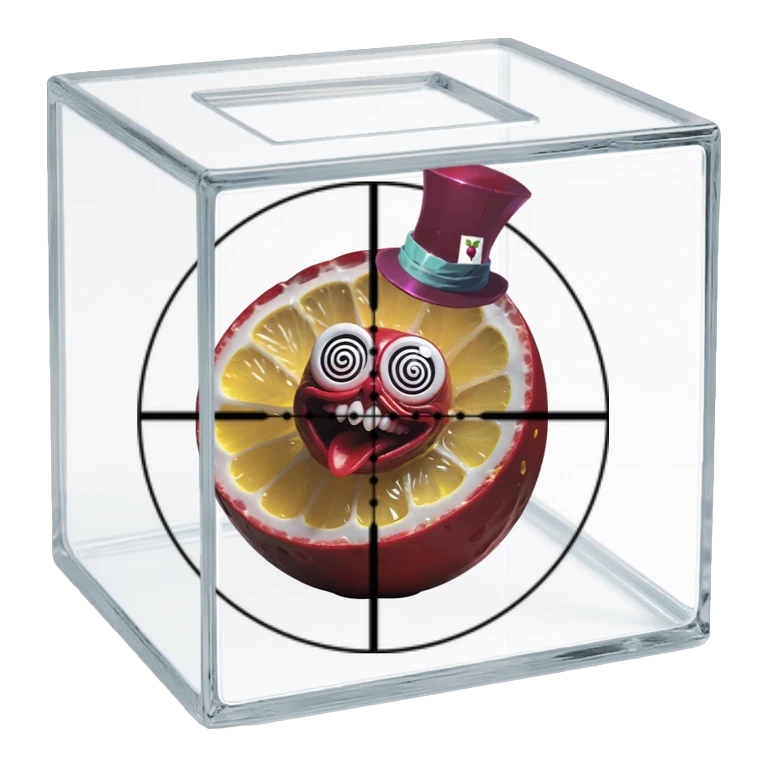
mad as a hatter” → BBB-crossing antimuscarinic
eyes → known for causing delirium