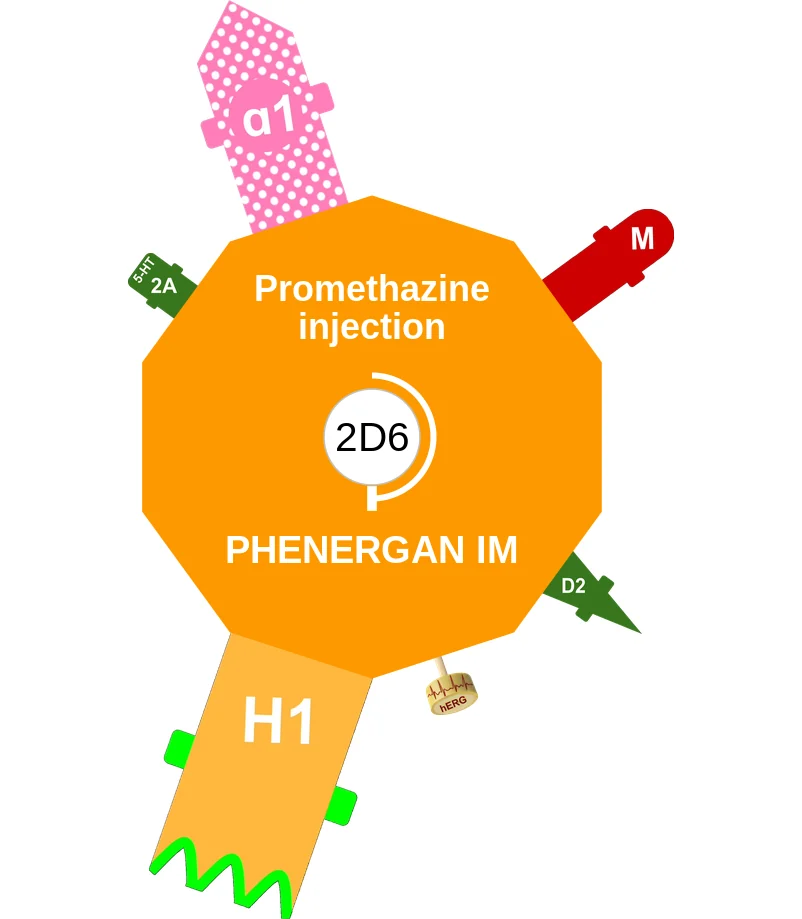
Promethazine injection
PHENERGAN IM
Pronunciation: proe-METH-a-zeen
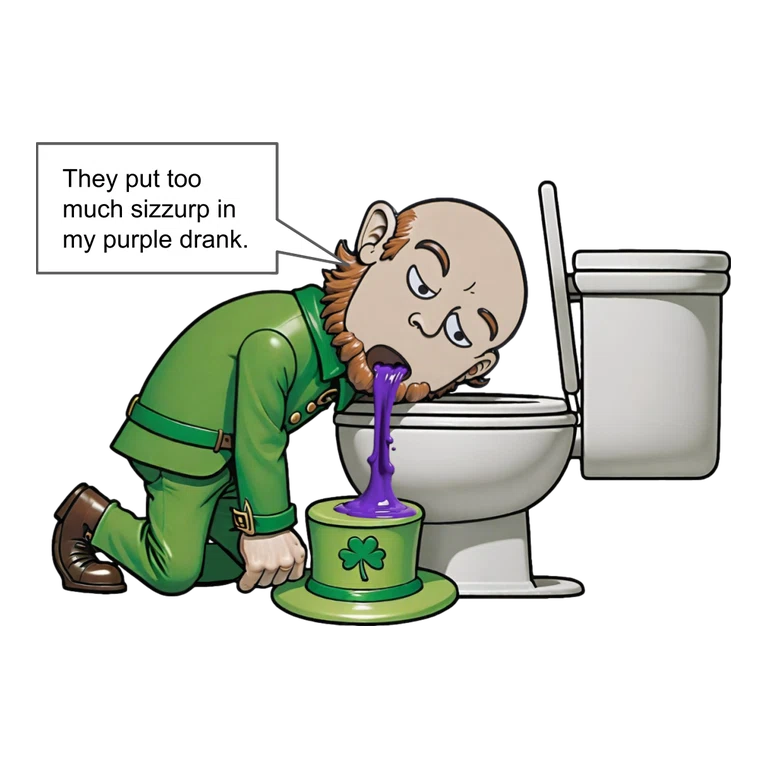
“Finnegan’s Prom hazing”
hazing of Finnegan at prom
purple drank, a.k.a. Sizzurp, a concoction of promethazine/codeine syrup mixed with Sprite
What it isInjectable H1, muscarinic, and dopamine antagonist; allergy, nausea, and procedural sedation.
Why this oneIt combines antihistamine, antiemetic, and sedative effects in one parenteral agent.
What limits itSevere tissue injury, including gangrene and amputation, can occur regardless of route; deep IM is preferred. It can fatally depress breathing in children under 2.
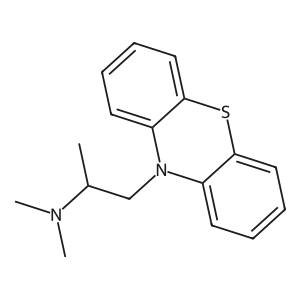
FDA-approved for
- allergic conditions / nausea / sedation (~1956)
Classes and tags
Clinical profile
Legacy pregnancy categoryC
Defining liabilityGenerally tolerated at therapeutic doses; clinically important risks are agent-specific and increase with interactions or organ impairment.
FDA label
Read the full label on DailyMed ↗
| FDA dosing | Population | Start | Target | Max |
|---|---|---|---|---|
| Allergic conditions | Adults | 25 mg IM; may repeat within 2 h if needed | ||
| Sedation (hospitalized) | Adults | 25–50 mg IM | ||
| Nausea and vomiting | Adults | 12.5–25 mg IM, not repeated more often than every 4 h | ||
| Pre-/postoperative adjunct | Adults | 25–50 mg IM (with reduced analgesic/atropine-like doses) | ||
| Obstetric sedation (labor) | Adults | 50 mg IM (early labor) | 25–75 mg (avg 50 mg) in established labor; may repeat at 4 h intervals | 100 mg/24 h in labor |
| Sedation/allergic/antiemetic (various) | Children ≥2 yr | Should not exceed half the adult dose; premedication 1.1 mg/kg |
Renal Undefined.
Hepatic Use cautiously in impaired liver function.
Instructions
- Preferred route is deep intramuscular; avoid SC and intra-arterial
- IV only after dilution, at ≤1 mg/mL, into a large/central vein over 20–40 min
- Discontinue infusion immediately if injection-site pain occurs
Available strengths
- inj 25, 50 mg/mL
- tab 12.5, 25, 50 mg
- sol 6.25 mg/5 mL
- supp 12.5, 25, 50 mg
Contraindications
- Pediatric patients less than 2 years of age (fatal respiratory depression)
- Intravenous injection at concentrations greater than 1 mg/mL
- Intra-arterial injection
- Subcutaneous injection
- Comatose states
Cautions
- Respiratory depression (avoid in compromised respiratory function/COPD/sleep apnea)
- Severe tissue injury/gangrene
- CNS depression/sedation
- Extrapyramidal symptoms
- Anticholinergic effects
- Avoid in suspected Reye's syndrome
Adverse reactions
- Drowsiness/sedation
- Respiratory depression
- Severe tissue injury (burning, necrosis, gangrene)
- Extrapyramidal symptoms
- Blood pressure changes
- Dry mouth
Pregnancy Undefined.
Lactation Undefined.
Cost
| Strength | #/mo | generic $/unit | CostPlus | |
|---|---|---|---|---|
| 25 mg/mL | inj | per unit | $1.54/mL | not offered |
| 50 mg/mL | inj | per unit | $2.34/mL | not offered |
Other forms: Promethazine (PHENERGAN)
Open Promethazine injection in the interactive console ↗
Self-check
- Promethazine injection: Which injection route is preferred?
Deep IM. - Promethazine injection: Can severe tissue injury occur despite route choice?
Yes; regardless of route.