Nicotine inhaler
NICOTROL INHALER
Pronunciation: NIK-oe-teen
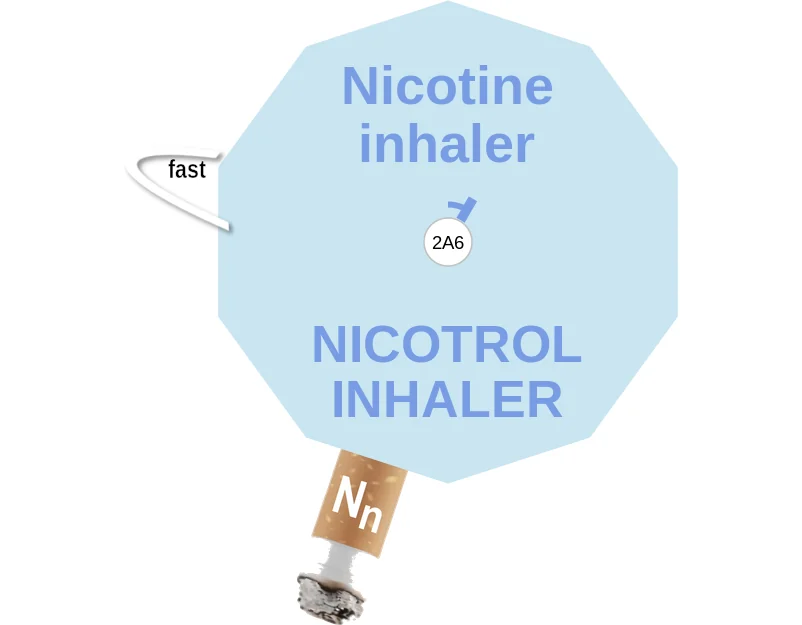

What it isNicotine oral inhaler (NICOTROL Inhaler, Rx 1997) — puffed like a cigarette but absorbed in the mouth and throat rather than the lung, pairing the hand-to-mouth ritual with nicotine replacement; discontinued by Pfizer in 2023 (mouthpiece supply), with no generic.
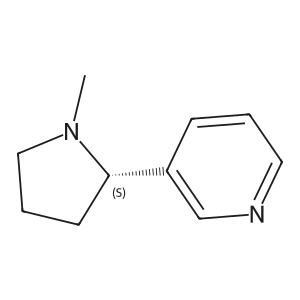
Why this oneSame molecule and receptor pharmacology as the parent card — the formulation (and its label) is the difference.
What limits itClass warnings of the parent molecule apply unchanged.
FDA-approved for
- smoking cessation (1997)
Principal riskLocal irritation; vivid dreams with the overnight patch
Classes and tags
Clinical profile
Legacy pregnancy categoryUnknown / historical label unavailable
Defining liabilityGenerally tolerated at therapeutic doses; clinically important risks are agent-specific and increase with interactions or organ impairment.
FDA label
Read the full label on DailyMed ↗
NO BOXED WARNINGS
| FDA dosing | Population | Start | Target | Max |
|---|---|---|---|---|
| Aid to smoking cessation for relief of nicotine withdrawal symptoms (as part of a comprehensive behavioral program) | Adults; older adolescent only if benefit justifies risk (not established <18 y) | Individualized, self-titrated; 6–16 cartridges/day; use ≥6/day for first 3–6 wks; best effect with frequent continuous puffing (~20 min per cartridge) | Initial treatment up to 12 wks (recommended 3 months), then gradual reduction over 6–12 wks | 16 cartridges/day for up to 12 wks; not >6 months |
Titration Self-titrate to required nicotine level; adjust for signs of withdrawal vs excess; if not abstinent by week 4, probably discontinue
Renal No dose guidance; PK not studied in renal impairment — only severe renal impairment expected to affect clearance
Hepatic No dose guidance; PK not studied in hepatic impairment — anticipate reduced clearance (depends on liver blood flow).
In clinical trials, successful quitters averaged >6 cartridges/day (range 3–18)
Instructions
- Stop smoking completely when starting; use as part of a behavioral cessation program
- Insert cartridge into mouthpiece; inhale deeply into back of throat or puff in short breaths — nicotine vapor is absorbed in mouth and throat
- Cartridge nicotine depleted after ~20 min active puffing; 5 min at a time allows 4 uses; try different schedules.
- Use at room temperature (above 60°F); cold reduces nicotine delivered
- Regular use in week 1 helps adaptation to irritant effects (mouth/throat irritation, cough)
- Gradual reduction may begin after 12 wks and last up to 12 wks: use less often, keep a daily tally, set a reducing target, or set a planned stop date; some may stop abruptly
- Used cartridge retains ~6 mg (about 60%) nicotine — discard and store all components away from children and pets; keep mouthpiece locked; clean mouthpiece with soap and water
- Store cartridges ≤77°F (25°C), protect from light
Available strengths
- inhaler 10 mg/cartridge (4 mg delivered)
Contraindications
- Known hypersensitivity or allergy to nicotine or to menthol
Cautions
- Nicotine from any source is toxic and addictive; weigh NRT risk vs hazard of continued smoking
- Continued smoking during use → peak nicotine levels higher than smoking alone; discontinue if clinically significant cardiovascular effects
- Bronchospastic disease: caution (nicotine is an airway irritant, may cause bronchospasm); not studied in asthma/chronic pulmonary disease; other NRT forms may be preferable in severe bronchospastic airway disease
- Cardiovascular/peripheral vascular disease (CHD, serious arrhythmias, vasospastic disease): evaluate carefully; generally avoid in immediate post-MI period, serious arrhythmias, severe or worsening angina; tachycardia and palpitations reported
- Renal or hepatic impairment: not studied; anticipate reduced clearance with hepatic impairment
- Hyperthyroidism, pheochromocytoma, insulin-dependent diabetes: caution (catecholamine release)
- Active peptic ulcer: caution (delays ulcer healing)
- Accelerated hypertension: caution (risk factor for malignant hypertension)
- Smoking cessation may alter PK of concomitant drugs (e.g., tricyclic antidepressants, theophylline) — dose adjustment may be needed
- Sustained use >6 months not studied and not recommended
- Keep used and unused cartridges and all components away from children and pets (poisoning can be fatal; choking hazard)
- Elderly: start at low end of dosage range
Adverse reactions
- Local mouth/throat irritation 40% vs 18% placebo (66% vs 42% in higher-dose pivotal trials); mostly mild, declines with continued use
- Cough 32% vs 12%; rhinitis 23% vs 16%
- >3% possibly irritant-related: taste comments, jaw and neck pain, tooth disorders, sinusitis
- Dyspepsia 18% vs 9% (most common nicotine-related event); nausea, diarrhea, hiccup >3%
- Headache 26% vs 15%; influenza-like symptoms, pain, back pain, allergy, paresthesias, flatulence, fever >3%
- Withdrawal symptoms >3%: dizziness, anxiety, sleep disorder, depression, withdrawal syndrome, drug dependence, fatigue, myalgia
- Smoking-related >3%: chest discomfort, bronchitis, hypertension
Pregnancy Pregnancy Category D; presumed to cause fetal harm (animal data); not studied in pregnant women; attempt behavioral cessation first; use only if likelihood of cessation justifies risk; spontaneous abortion reported with NRT; not recommended during labor and delivery
Lactation Caution; nicotine passes freely into breast milk (milk:plasma ratio 2.9); milk nicotine expected lower than with smoking; weigh infant exposure vs continued maternal smoking
Cost
| Strength | #/mo | generic $/unit | CostPlus | |
|---|---|---|---|---|
| 10 mg/cartridge | inhaler | per unit | not offered |
Other forms: Nicotine gum (NICORETTE) · Nicotine patch (NICODERM CQ) · Nicotine lozenge (NICORETTE)
Open Nicotine inhaler in the interactive console ↗
Memory aids: interaction avatars
Open Nicotine inhaler in the interactive console ↗
Self-check
- Where is NICOTROL Inhaler nicotine absorbed?
Mouth and throat rather than lung. - Why was NICOTROL Inhaler discontinued in 2023?
Mouthpiece supply.