Memantine
NAMENDA
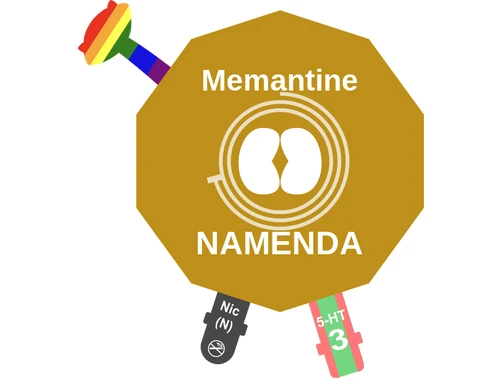
What it isUncompetitive NMDA antagonist with 5-HT3 and nicotinic effects; moderate-to-severe Alzheimer dementia.
Why this oneIts mechanism differs from cholinesterase inhibitors, so it can be added rather than substituted and is usually well tolerated.
What limits itBenefit is modest and symptomatic; confusion, dizziness or constipation can end treatment. Reduce in renal impairment.
FDA-approved for
- moderate-to-severe Alzheimer dementia (2003)
Off-label
- OCD augmentation
FDA label
Read the full label on DailyMed ↗
| FDA dosing | Population | Start | Target | Max |
|---|---|---|---|---|
| Alzheimer's dementia (moderate to severe) | Adults | 5 mg QD | 20 mg/day (10 mg BID) | 20 mg/day |
Titration Minimum 1 week between 5 mg dose increases
Renal Severe impairment (CrCl 5–29 mL/min): 5 mg BID; no adjustment for mild–moderate
Hepatic No adjustment for mild–moderate; caution in severe impairment
Instructions
- May take with or without food
- If a single dose is missed, do not double the next dose; take as scheduled
- If dosing interrupted for several days, resume at lower dose and retitrate
Cautions
- Conditions that raise urine pH may decrease memantine elimination and raise plasma levels
Adverse reactions
- Dizziness
- Headache
- Confusion
- Constipation
Pregnancy No adequate human data; adverse developmental effects (decreased ossification/body weight) in rats at high doses
Lactation No data on presence in human milk, effects on infant, or milk production
NO BOXED WARNINGS
Principal riskLittle; usually well tolerated
Cost, est. cash$10–$500/month
Generic entry2010
Classes and tags
Clinical profile
Legacy pregnancy categoryB
Defining liabilityBradycardia, syncope or GI effects for symptomatic drugs; anti-amyloid agents add edema/hemorrhage risk.
Mechanism of action: Memantine ballicule
Open Memantine in the interactive console ↗
Memory aids: mascots and interaction avatars
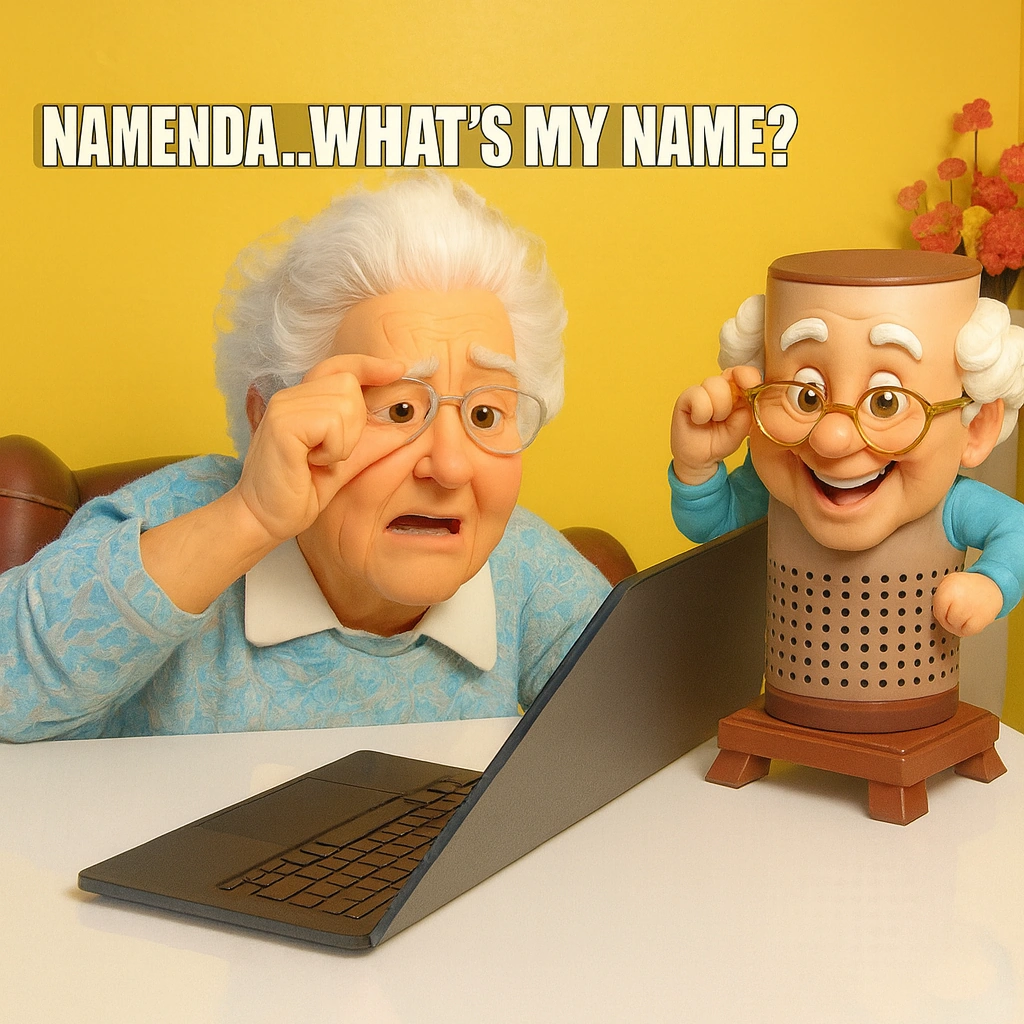
NaMenDA has the mechanism in its name → NMDA receptor antagonist