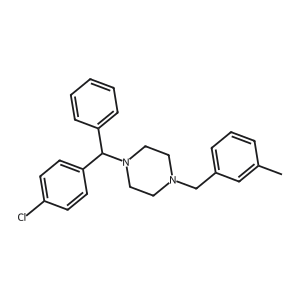
Meclizine
ANTIVERT
Pronunciation: MEK-li-zeen
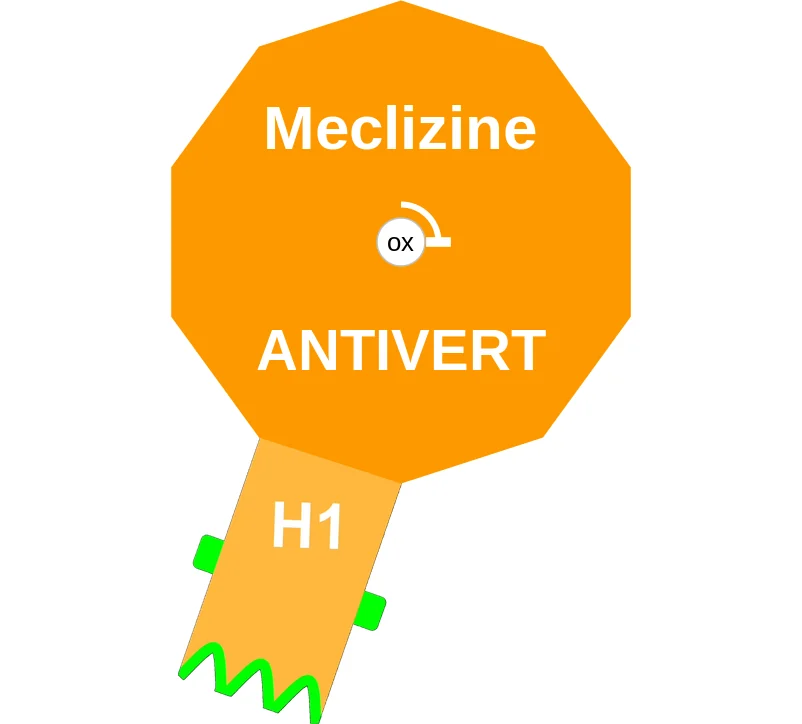

“McLizard is Anti-vertigo”
What it isCentrally acting H1 antihistamine; vertigo and motion sickness.
Why this oneWorks on vestibular nausea, where ondansetron does not.
What limits itSedation and fall risk, so poor in the elderly. It suppresses vestibular compensation, so it should not be continued for weeks.
Meclizine prescription history
Animated chart of estimated U.S. prescriptions per year, Antiemetics (1946–2026). Meclizine enters in 1953 (estimated).
FDA-approved for
- vertigo/motion sickness (~1957)
Principal riskSedation and fall risk
Classes and tags
Clinical profile
Legacy pregnancy categoryC
Defining liabilitySedation, QT prolongation, extrapyramidal symptoms or anticholinergic toxicity vary by receptor target.
FDA label
Read the full label on DailyMed ↗
NO BOXED WARNINGS
| FDA dosing | Population | Start | Target | Max |
|---|---|---|---|---|
| Vertigo associated with diseases affecting the vestibular system | Adults | 25–100 mg/day in divided doses | 25–100 mg/day in divided doses, per clinical response | 100 mg/day |
Renal Use with caution (potential drug/metabolite accumulation); also in the elderly
Hepatic Use with caution (increased systemic exposure possible)
Safety and effectiveness in pediatric patients not established
Instructions
- Swallow tablets whole
Available strengths
- tab 12.5, 25, 50 mg
- chew tab 25 mg
- ODT 25 mg
- powder 50 mg
Cautions
- Drowsiness — caution driving or operating dangerous machinery; avoid alcohol
- Anticholinergic action — caution in asthma, glaucoma, enlargement of the prostate gland
Adverse reactions
- Anaphylactic reaction
- Drowsiness
- Dry mouth
- Headache
- Fatigue
- Vomiting
- Blurred vision (rare)
Pregnancy Epidemiological studies have not generally indicated a risk of major birth defects; fetal malformations in rats at doses similar to clinical
Lactation No data on presence in human milk, effects on the breastfed infant, or milk production
Cost
Generic entry1982
Open Meclizine in the interactive console ↗
Memory aids: interaction avatars

Open Meclizine in the interactive console ↗
Self-check
- Why should meclizine not be continued for weeks?
It suppresses vestibular compensation. - What nausea subtype responds to meclizine but not ondansetron?
Vestibular nausea.