Lamivudine
EPIVIR
Pronunciation: la-MI-vyoo-deen (EP-i-veer)
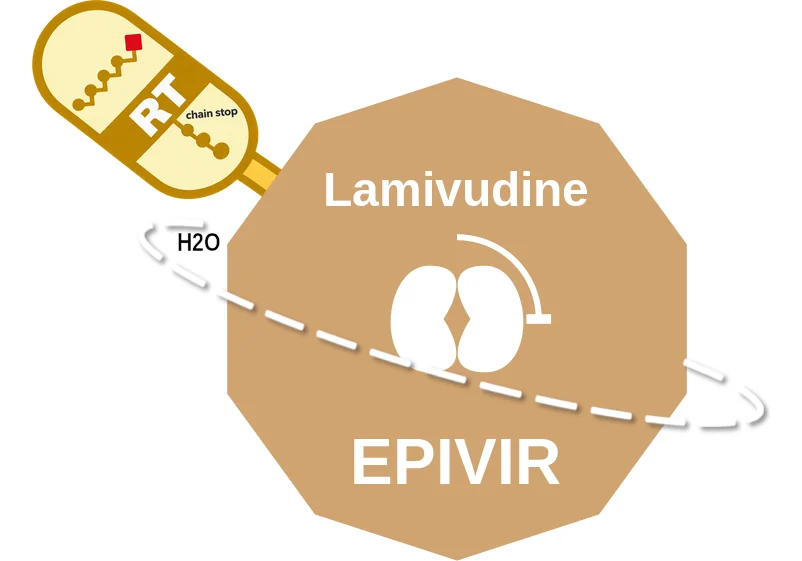
What it isCytidine-analog reverse-transcriptase inhibitor; HIV and chronic hepatitis B.
Why this oneIts signature HIV-resistance mutation develops quickly but impairs viral fitness, so the drug may remain useful in a failing regimen.
What limits itStopping can trigger a severe hepatitis B flare; resistance emerges quickly when it is used alone for hepatitis B.
Lamivudine prescription history
Animated chart of estimated U.S. prescriptions per year, HIV antiretrovirals (1987–2026). Lamivudine enters in 1995 (estimated).
FDA-approved for
- HIV-1 infection (1995)
- chronic hepatitis B
Classes and tags
Clinical profile
Legacy pregnancy categoryUnknown / historical label unavailable
Defining liabilityAgent-specific renal, hepatic, hematologic, metabolic and drug-interaction toxicity.
FDA label
Read the full label on DailyMed ↗
| FDA dosing | Population | Start | Target | Max |
|---|---|---|---|---|
| HIV-1 infection, in combination with other antiretrovirals | Adults | 150 mg PO BID or 300 mg QD | 300 mg daily | 300 mg daily |
| HIV-1 infection (combination therapy) — scored 150 mg tablet (preferred if ≥14 kg and able to swallow) | Pediatric ≥14 kg | 14 to <20 kg: 150 mg QD or 75 mg BID; ≥20 to <25 kg: 225 mg QD or 75 mg AM + 150 mg PM; ≥25 kg: 300 mg QD or 150 mg BID | Weight-band dose | 300 mg daily |
| HIV-1 infection (combination therapy) — oral solution 10 mg/mL | Pediatric ≥3 months | 5 mg/kg BID or 10 mg/kg QD | 5 mg/kg BID or 10 mg/kg QD | 300 mg daily |
Renal Adults/adolescents ≥25 kg by CrCl (mL/min): ≥50 150 mg BID or 300 mg QD; 30-49 150 mg QD; 15-29 150 mg first dose then 100 mg QD; 5-14 150 mg first dose then 50 mg QD; <5 50 mg first dose then 25 mg QD. No extra dose after routine (4-hour) hemodialysis or peritoneal dialysis. Pediatric: insufficient data — consider dose reduction and/or longer interval.
Hepatic No dose adjustment stated (PK not altered by hepatic impairment); safety/efficacy not established in decompensated liver disease.
This dosage is for HIV-1 and not for HBV.
Instructions
- With or without food.
- Always in combination with other antiretrovirals; HIV-1/HBV co-infection: use the HIV-1 dosage as part of an appropriate combination regimen.
- Pediatric: prefer scored 150 mg tablet (≥14 kg, able to swallow); use an all-tablet regimen when possible; oral solution only if unable to swallow tablets — consider viral load/CD4 when choosing the interval and monitor viral load more often.
- Once-daily pediatric data limited to patients switched from twice-daily after 36 weeks.
- Avoid chronic coadministration with sorbitol-containing medicines.
- After discontinuation in HBV co-infection, monitor clinically and with labs for at least several months.
Available strengths
- tab 100, 150, 300 mg
- sol 10 mg/mL
Cautions
- HBV co-infection: posttreatment hepatitis exacerbations; EPIVIR-HBV not for HIV-1; lamivudine-resistant HBV
- Lactic acidosis and severe hepatomegaly with steatosis
- Pancreatitis (pediatric risk factors)
- Immune reconstitution syndrome
- Lower virologic suppression and more resistance with oral solution in pediatrics
Adverse reactions
- Headache (35%)
- Nausea (33%)
- Malaise & fatigue (27%)
- Nasal signs & symptoms (20%)
- Diarrhea (18%)
- Cough (18%)
- Nausea & vomiting (13%)
- Neuropathy (12%)
- Musculoskeletal pain (12%)
- Insomnia & other sleep disorders (11%)
- Pediatric: fever and cough (≥15%)
Pregnancy APR data (>11,000 exposures) show no difference in overall birth-defect risk vs background; pregnancy registry available.
Lactation Present in human milk; mothers receiving EPIVIR should not breastfeed (HIV-1 transmission, resistance, adverse reactions).
Cost
Generic entry2011
Open Lamivudine in the interactive console ↗
Self-check
- Why may lamivudine retain value despite its signature HIV resistance mutation?
The mutation impairs viral fitness. - What can stopping lamivudine trigger in hepatitis B?
A severe flare.