Flucytosine
ANCOBON

“Flew sight unseen (and co-pilot-bound)”
With amphotericin "bee" as copilot
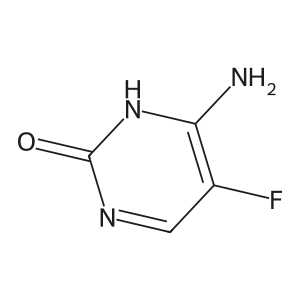
What it isAntifungal converted to 5-fluorouracil by fungal cytosine deaminase; cryptococcal meningitis with amphotericin.
Why this oneCombined with amphotericin it sterilizes CSF faster than amphotericin alone, improving survival.
What limits itMyelosuppression tracks blood levels, so monitoring is needed, and it is renally cleared. Never use alone — resistance emerges rapidly.
Flucytosine prescription history
Animated chart of estimated U.S. prescriptions per year, Antifungals (1947–2026). Flucytosine enters in 1972 (estimated).
FDA-approved for
- Serious Candida and Cryptococcus infections (1971)
Classes and tags
Clinical profile
Defining liabilityConcentration-dependent marrow suppression and hepatic toxicity
FDA label
Read the full label on DailyMed ↗
| FDA dosing | Population | Start | Target | Max |
|---|---|---|---|---|
| Systemic candidiasis & cryptococcosis (in combination with amphotericin B) | Adults | 50 mg/kg/day divided q6h (QID) | 50-150 mg/kg/day divided q6h | 150 mg/kg/day |
Renal Elevated BUN/creatinine or other signs of renal impairment: start at the lower dose level (50 mg/kg/day); extreme caution (boxed)
Hepatic Undefined
Instructions
- Give capsules a few at a time over a 15-minute period to reduce nausea/vomiting
- Use in combination with amphotericin B for systemic candidiasis and cryptococcosis (resistance emerges on monotherapy)
Available strengths
- cap 250, 500 mg
Contraindications
- Known complete dihydropyrimidine dehydrogenase (DPD) enzyme deficiency
Cautions
- Use with extreme caution in impaired renal function (boxed)
- Monitor hematologic, renal, and hepatic status closely in all patients (boxed)
Adverse reactions
- Nausea, vomiting, diarrhea, anorexia, abdominal pain
- Hepatic injury incl. necrosis (possibly fatal in debilitated patients), jaundice, enzyme elevations
- Marrow toxicity: anemia, leukopenia, thrombocytopenia, agranulocytosis, pancytopenia, fatal bone marrow aplasia
- Azotemia, BUN/creatinine elevation, crystalluria, renal failure
- Cardiac arrest, myocardial toxicity, ventricular dysfunction
- Confusion, hallucinations, psychosis, sedation, convulsions, ataxia, paresthesia, peripheral neuropathy, hearing loss
- Rash, pruritus, urticaria, photosensitivity; Lyell's syndrome
- Hypoglycemia, hypokalemia
Pregnancy Teratogenic in rats (vertebral fusions; cleft lip/palate at higher doses); no adequate human studies — use only if potential benefit justifies fetal risk.
Lactation Undefined
Cost
Open Flucytosine in the interactive console ↗
Self-check
- Why should flucytosine never be used alone?
Resistance emerges rapidly. - Which toxicity tracks flucytosine blood levels?
Myelosuppression.