Fedratinib
INREBIC
Pronunciation: fed-RA-ti-nib (in-RE-bik)
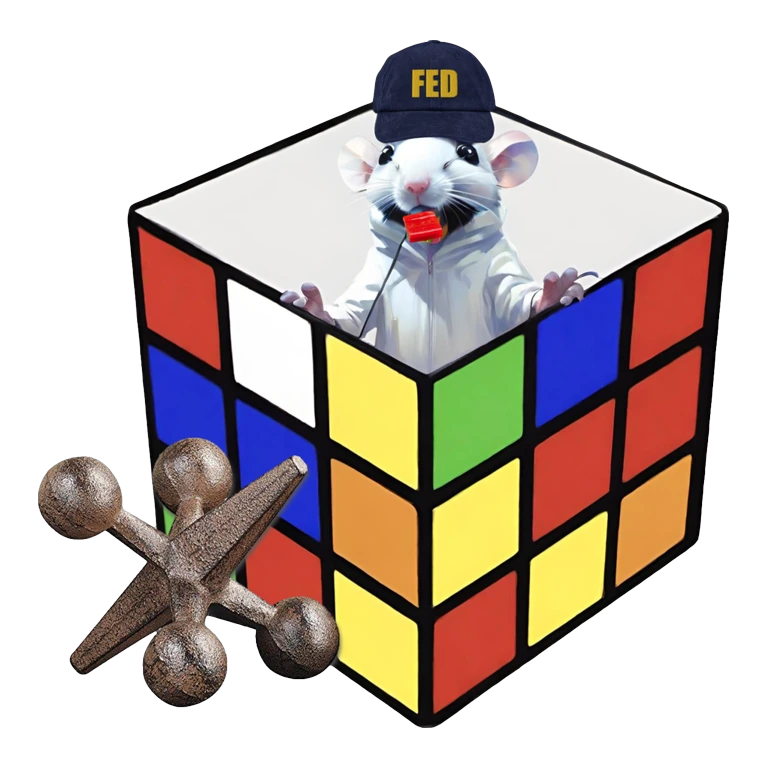
“Fed-Rat nibbler In Rubik”
jack → JAK inhibitor
What it isOral JAK2-selective inhibitor with FLT3 activity, for intermediate-2 and high-risk myelofibrosis.
Why this oneIt retains activity in patients who have failed or cannot tolerate ruxolitinib, which was the only prior option in that setting.
What limits itBoxed encephalopathy warning includes Wernicke encephalopathy: check and replete thiamine before and during treatment. Anemia, thrombocytopenia and GI toxicity also occur.
Fedratinib prescription history
Animated chart of estimated U.S. prescriptions per year, Tyrosine kinase inhibitors (2001–2026). Fedratinib enters in 2019 (estimated).
FDA-approved for
- intermediate-2 or high-risk myelofibrosis
Off-label
- post-polycythemia vera and post-essential thrombocythemia myelofibrosis
Classes and tags
Clinical profile
Legacy pregnancy categoryN/A (post-2015 labeling)
Defining liabilityEncephalopathy, myelosuppression and gastrointestinal toxicity
FDA label
Read the full label on DailyMed ↗
| FDA dosing | Population | Start | Target | Max |
|---|---|---|---|---|
| Myelofibrosis (baseline platelets >=50 × 10^9/L) | Adults | 400 mg QD | 400 mg QD | 400 mg QD |
Renal Severe (CLcr 15–29 mL/min): reduce to 200 mg QD; mild-moderate (CLcr 30–89): no starting-dose change, but moderate impairment needs more intensive monitoring with dose modification as needed
Hepatic Undefined
Adverse-reaction dose modifications: Grade 4 thrombocytopenia/neutropenia or Grade >=3 GI toxicity/LFT elevation — interrupt, restart 100 mg below last dose; recurrent Grade >=3 LFT elevation — discontinue
Instructions
- With or without food; high-fat meal may reduce nausea/vomiting
- All patients: thiamine 100 mg PO daily prophylaxis; check thiamine at baseline and as indicated
- Baseline and periodic: CBC with platelets, creatinine/BUN, hepatic panel, amylase/lipase
- Missed dose: take next scheduled dose the following day
- Swallowing difficulty/NG tube: disperse capsule contents in ~180 mL Ensure Plus; give within 2 h; flush NG tube with 60 mL water
- Taper and discontinue ruxolitinib per its labeling before starting
- Strong CYP3A4 inhibitor: reduce to 200 mg QD (on inhibitor stop: 300 mg QD ×2 weeks, then 400 mg QD)
- Discontinue if unable to tolerate 200 mg QD
Available strengths
- cap 100 mg
Cautions
- Encephalopathy including Wernicke's (boxed): thiamine assessment/prophylaxis mandatory
- Anemia (Grade 3 new/worsening in 34%) and thrombocytopenia: manage with dose reduction, interruption, or transfusion
- GI toxicity (severe diarrhea/nausea/vomiting): antiemetic prophylaxis and antidiarrheals recommended
- Hepatic toxicity: dose reduce/interrupt
- Amylase/lipase elevation
- Uveitis: refer for ophthalmological evaluation if symptoms
- Major adverse cardiac events (MACE)
- Thrombosis
- Secondary malignancies (esp. current/past smokers)
- Symptom exacerbation after interruption/discontinuation
Adverse reactions
- Diarrhea
- Nausea
- Anemia
- Vomiting
Pregnancy No human data; adverse developmental outcomes in rats below human dose; weigh benefit/risk
Lactation Do not breastfeed during treatment and for at least 1 month after last dose
Cost
| Strength | #/mo | generic $/mo | CostPlus | |
|---|---|---|---|---|
| 100 mg | cap | 30 qd | not offered |
Open Fedratinib in the interactive console ↗
Self-check
- Which vitamin must be checked and repleted with fedratinib?
Thiamine. - Which encephalopathy is boxed for fedratinib?
Wernicke encephalopathy.