Enalapril
VASOTEC
What it isACE inhibitor prodrug; hypertension and heart failure.
Why this oneThe ACE inhibitor with the longest heart-failure mortality record, and it is available as a solution for children.
What limits itCough, hyperkalemia and the hemodynamic creatinine rise. Twice-daily dosing; contraindicated in pregnancy.
FDA-approved for
- hypertension (1985)
- heart failure (~1987)
FDA label
Read the full label on DailyMed ↗
| FDA dosing | Population | Start | Target | Max |
|---|---|---|---|---|
| Hypertension | Adults, not on a diuretic | 5 mg QD | 10-40 mg/day (QD or divided BID) | 40 mg/day |
| Hypertension | Pediatrics ≥1 mo (GFR ≥30) | 0.08 mg/kg (up to 5 mg) QD | titrate to BP response | 0.58 mg/kg or 40 mg/day |
| Symptomatic heart failure | Adults | 2.5 mg | 2.5-20 mg BID | 40 mg/day in divided doses |
| Asymptomatic left ventricular dysfunction | Adults | 2.5 mg BID | 20 mg/day in divided doses | 20 mg/day in divided doses |
Titration Heart failure / LV dysfunction: titrate upward as tolerated over a few days to weeks
Renal CrCl >30: usual dose; CrCl ≤30 (SCr ≥3 mg/dL): start 2.5 mg QD; dialysis: 2.5 mg on dialysis days
Hepatic Undefined
Instructions
- If on a diuretic, discontinue 2-3 days before starting if possible, or use an initial 2.5 mg dose under supervision; observe for hypotension.
- Observe heart failure/LV dysfunction patients ≥2 h after initial dose until blood pressure stable.
- Extemporaneous 1 mg/mL oral suspension may be prepared from tablets per label.
Contraindications
- History of angioedema related to previous ACE inhibitor therapy, or hereditary/idiopathic angioedema
- Concomitant aliskiren in patients with diabetes
- Combination with a neprilysin inhibitor (e.g., sacubitril); do not use within 36 h of switching to/from sacubitril/valsartan
Cautions
- Fetal toxicity (boxed) - second/third-trimester use reduces fetal renal function and increases fetal/neonatal morbidity and death (oligohydramnios, lung hypoplasia, skull hypoplasia, anuria, renal failure); discontinue as soon as pregnancy is detected
- Head and neck angioedema (face, lips, tongue, glottis, larynx) - may occur at any time; laryngeal edema may be fatal; discontinue promptly and treat (e.g., SC epinephrine); increased risk with concomitant mTOR inhibitors or a neprilysin inhibitor
- Intestinal angioedema - consider in patients on ACE inhibitors presenting with abdominal pain
- Anaphylactoid reactions during hymenoptera-venom desensitization, high-flux membrane dialysis, or LDL apheresis with dextran sulfate
- Excessive hypotension, sometimes with oliguria/azotemia and rarely acute renal failure/death, in volume- or salt-depleted patients (heart failure, hyponatremia, high-dose or recent diuretics, dialysis) - start under close supervision; follow closely for first 2 weeks and after dose increases
- Neutropenia/agranulocytosis - cannot be excluded; consider periodic WBC monitoring in patients with renal disease and collagen vascular disease
- Hepatic failure - rare syndrome starting with cholestatic jaundice progressing to fulminant hepatic necrosis; discontinue if jaundice or marked hepatic-enzyme elevations develop
- Impaired renal function - BUN/creatinine rises in renal-artery stenosis (20%) and in severe heart failure (oliguria, azotemia, rarely acute renal failure); monitor renal function
- Hyperkalemia (risk factors: renal insufficiency, diabetes, potassium-sparing diuretics, potassium supplements, salt substitutes) - use such agents cautiously if at all
- Persistent nonproductive cough (resolves on discontinuation)
- Caution in aortic stenosis/hypertrophic cardiomyopathy (as with all vasodilators)
- Hypotension during major surgery/anesthesia with hypotension-producing agents - correct with volume expansion
Adverse reactions
- Fatigue
- Orthostatic effects
- Asthenia
- Diarrhea
- Nausea
- Headache
- Dizziness
- Cough
- Rash
Pregnancy Fetal toxicity (boxed); discontinue as soon as pregnancy is detected.
Lactation Enalapril and enalaprilat detected in human milk; decide whether to discontinue nursing or the drug.
⚠ BOXED WARNING
- Fetal toxicity; discontinue as soon as pregnancy is detected
Principal riskAngioedema and hyperkalemia
Cost, est. cash$5–$150/month
Generic entry2000
Classes and tags
Clinical profile
Legacy pregnancy categoryD
Defining liabilityHyperkalemia, kidney injury, angioedema, fetal toxicity and increased lithium exposure.
Active metabolites
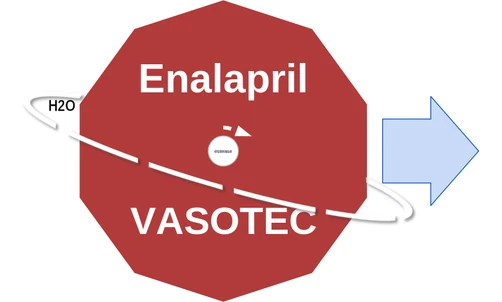
Mechanism of action: Enalapril ballicule
Open Enalapril in the interactive console ↗
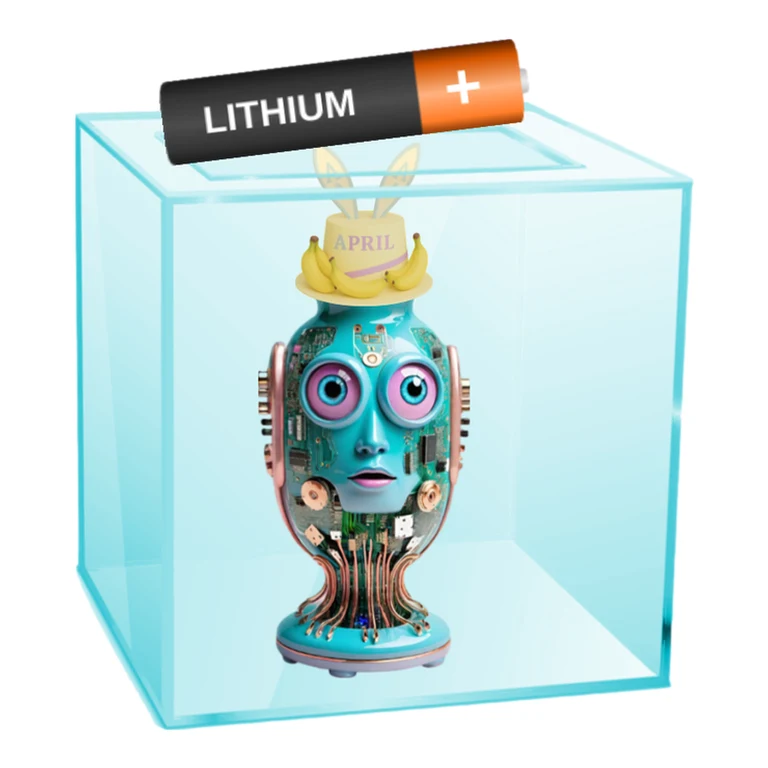
Memory aids: mascots and interaction avatars

Easter/April theme → ACE inhibitor = -pril (aPril)
Bananas in bunches → ↑ serum potassium