Methylphenidate patch
DAYTRANA
What it isTransdermal dopamine and norepinephrine reuptake inhibitor for ADHD (DAYTRANA, 2006; approved ages 6-17).
Why this oneRemoving the patch lets exposure end earlier — wear 9 h; effects persist ~5 h after removal — while total action lasts 10-12 h (Carlat Table 1).
What limits itHeat can increase absorption; contact dermatitis and persistent skin depigmentation are patch-specific reasons to stop it.
FDA-approved for
- ADHD (2006)
FDA label
Read the full label on DailyMed ↗
| FDA dosing | Population | Start | Target | Max |
|---|---|---|---|---|
| ADHD | Pediatric 6-17 yr (new to or converting from another methylphenidate) | 10 mg/9 hr patch (12.5 cm2) | titrate weekly (15, 20, 30 mg/9 hr) | 30 mg/9 hr (37.5 cm2) |
Titration Increase patch size weekly if response not maximized
Renal Undefined
Hepatic Undefined
Titrate wear time and dose to individual response
Instructions
- Apply to hip area (alternating sites) 2 hours before effect needed; remove 9 hours after application
- May remove earlier than 9 hours if shorter duration desired or late-day side effects appear
- Do not cut patches; apply only intact patches; press firmly ~30 seconds
- Avoid external heat sources to the application site (increases absorption, risk of overdose)
- Total wear time should remain 9 hours/day regardless of number of patches used
Contraindications
- During treatment with an MAOI, or within 14 days of discontinuing an MAOI (hypertensive crises)
Cautions
- Serious cardiac disease — avoid (sudden death)
- Increased blood pressure and heart rate — monitor
- Psychiatric adverse reactions; screen for bipolar risk
- Seizures (may lower convulsive threshold)
- Priapism
- Peripheral vasculopathy, including Raynaud's phenomenon
- Long-term growth suppression in pediatric patients
- Chemical leukoderma (persistent skin depigmentation)
- Contact sensitization
- Acute angle closure glaucoma; increased IOP
- Motor/verbal tics and worsening of Tourette's
Adverse reactions
- 6-12 yr: appetite decreased, insomnia, nausea, vomiting, weight decreased, tic, affect lability, anorexia
- 13-17 yr: appetite decreased, nausea, insomnia, weight decreased, dizziness, abdominal pain, anorexia; application-site erythema common
Pregnancy Data insufficient to identify risk; CNS stimulants may reduce placental perfusion; pregnancy exposure registry available
Lactation Methylphenidate present in human milk (infant dose 0.16-0.7% of maternal); monitor infant for agitation, insomnia, anorexia, reduced weight gain
⚠ BOXED WARNING
- Abuse, misuse and addiction
Classes and tags
Clinical profile
Mechanism of action: Methylphenidate patch ballicule
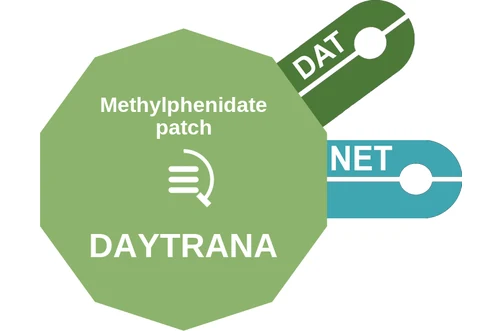
Open Methylphenidate patch in the interactive console ↗
Memory aids: mascots and interaction avatars
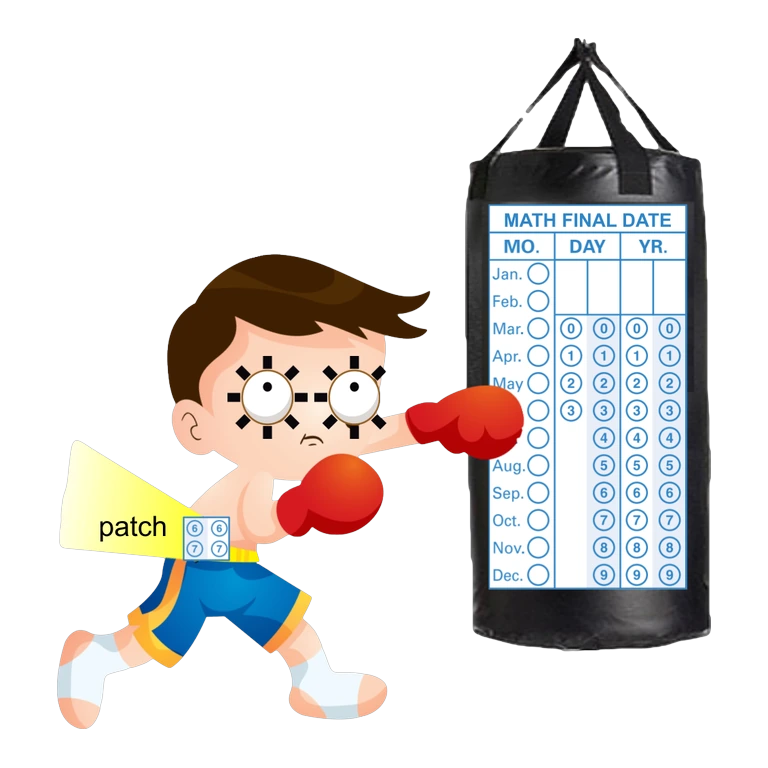
Scantron → methylphenidate product