Candesartan
ATACAND
What it isAngiotensin II receptor blocker; hypertension, heart failure and migraine prophylaxis.
Why this oneHeart-failure outcome data, and it is one of the few antihypertensives with evidence for migraine prevention.
What limits itHyperkalemia and the hemodynamic creatinine rise. Contraindicated in pregnancy.
FDA-approved for
- hypertension (1998)
- heart failure (2005)
FDA label
Read the full label on DailyMed ↗
| FDA dosing | Population | Start | Target | Max |
|---|---|---|---|---|
| Hypertension | Adults | 16 mg QD (monotherapy, not volume-depleted) | 8–32 mg/day, QD or BID | 32 mg/day |
| Hypertension | Children 1 to <6 y | 0.20 mg/kg QD (oral suspension) | 0.05–0.4 mg/kg/day, QD or divided BID | 0.4 mg/kg/day (higher not studied) |
| Hypertension | Children 6 to <17 y, <50 kg | 4–8 mg QD | 4–16 mg/day, QD or divided BID | 16 mg/day |
| Hypertension | Children 6 to <17 y, >50 kg | 8–16 mg QD | 4–32 mg/day, QD or divided BID | 32 mg/day (higher not studied) |
| Heart failure | Adults | 4 mg QD | 32 mg QD | 32 mg QD |
Titration Heart failure: double the dose at approximately 2-week intervals as tolerated.
Renal No adult dose adjustment stated. Pediatric patients with GFR <30 mL/min/1.73m² must not receive candesartan (not studied). Monitor renal function; consider withholding or discontinuing on a clinically significant decline.
Hepatic Moderate impairment: initiate at 8 mg. Severe impairment: no dosing recommendation can be provided.
Instructions
- May be taken with or without food.
- Total daily dose may be given once daily or split into two equal doses.
- Correct volume and/or salt depletion before initiating.
- For children who cannot swallow tablets, compound an oral suspension 0.1–2.0 mg/mL (1 mg/mL typical): grind tablets to a paste in Ora-Plus + Ora-Sweet SF (1:1) or Ora-Blend SF, make to volume, dispense in amber PET; store below 30°C, do not freeze, shake well, 100-day expiry, use within 30 days of opening.
Contraindications
- Do not co-administer with aliskiren in patients with diabetes
Cautions
- Fetal toxicity — discontinue as soon as pregnancy is detected (oligohydramnios, fetal renal failure, lung hypoplasia, skull hypoplasia, death).
- Children <1 y must not receive candesartan for hypertension — RAS blockade affects immature kidney development.
- Symptomatic hypotension, most likely in volume/salt-depleted patients (diuretics, salt restriction, dialysis, diarrhea, vomiting); monitor BP during dose escalation and periodically.
- Hypotension during major surgery/anesthesia — rarely severe enough to need IV fluids and/or vasopressors.
- Impaired renal function including acute renal failure, particularly with renal artery stenosis, CKD, severe heart failure or volume depletion — monitor renal function periodically.
- Hyperkalemia — risk increased with other potassium-raising drugs; monitor serum potassium periodically.
Adverse reactions
- Hypertension trials: upper respiratory tract infection 6%, dizziness 4%, back pain 3%, pharyngitis 2%, rhinitis 2%.
- Most common reasons for discontinuation in hypertension: headache 0.6%, dizziness 0.3%.
- Heart failure (vs placebo): hypotension 18.8% (4.1% led to discontinuation), abnormal renal function 12.5% (6.3% led to discontinuation), hyperkalemia 6.3% (2.4% led to discontinuation).
- Pediatric: worsening renal disease in 1/93 children 1 to <6 y and 3/240 aged 6 to <17 y.
- Postmarketing (very rare): angioedema, hyperkalemia, hyponatremia, cough, pruritus/rash/urticaria, abnormal hepatic function and hepatitis, neutropenia/leukopenia/agranulocytosis; rare rhabdomyolysis.
Pregnancy Can cause fetal harm — discontinue as soon as pregnancy is detected; second/third-trimester exposure reduces fetal renal function and increases fetal/neonatal morbidity and death.
Lactation Unknown whether excreted in human milk (present in rat milk); breastfeeding is not recommended during treatment.
⚠ BOXED WARNING
- Fetal toxicity
Principal riskHyperkalemia and acute kidney injury
Cost, est. cash$5–$150/month
Generic entry2013
Classes and tags
Clinical profile
Legacy pregnancy categoryD
Defining liabilityGenerally tolerated at therapeutic doses; clinically important risks are agent-specific and increase with interactions or organ impairment.
Mechanism of action: Candesartan ballicule
Open Candesartan in the interactive console ↗
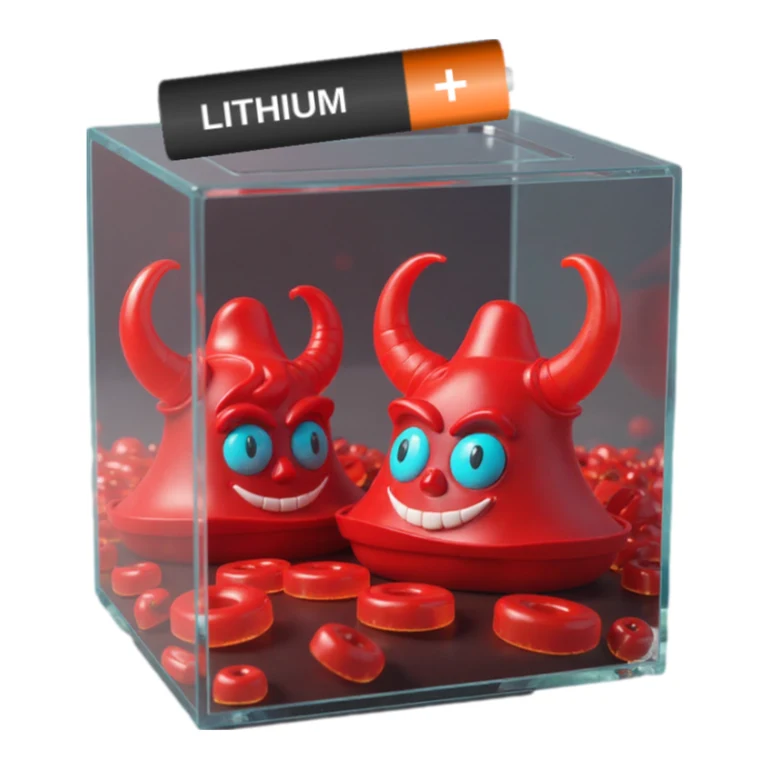
Memory aids: mascots and interaction avatars