Hepatitis C virus (HCV) infection
- Nearly all chronic HCV should be treated
- Use short-course direct-acting antivirals
- Pangenotypic regimens simplify most cases
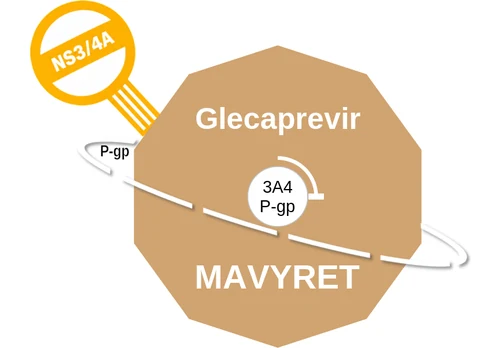
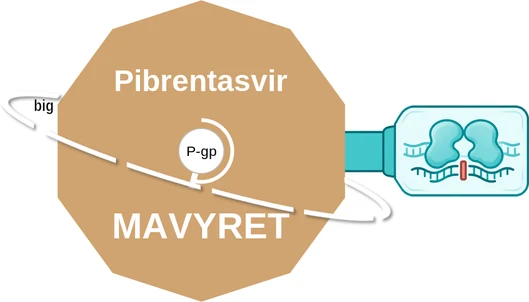
- glecaprevir/pibrentasvir
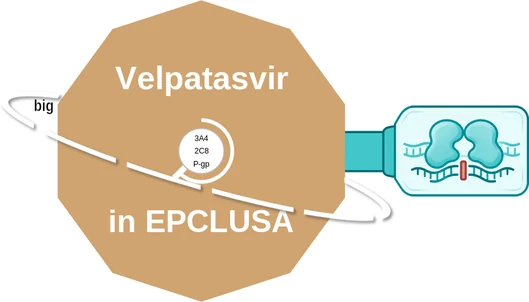
- sofosbuvir/velpatasvir
- Check cirrhosis, DDIs + prior treatment
- SVR12 = virologic cure
- Cirrhosis still needs HCC surveillance
Use at a glance
- Nearly all chronic HCV should be treated
Practical pearls
- Use short-course direct-acting antivirals
- Pangenotypic regimens simplify most cases
- glecaprevir/pibrentasvir
- sofosbuvir/velpatasvir
Monitoring / follow-up
- SVR12 = virologic cure
- Cirrhosis still needs HCC surveillance
Treatment options
- Check cirrhosis, DDIs + prior treatment
Key points
- Screen all adults 18-79 for HCV at least once; at-risk groups periodically
- HCV+: vaccinate hepatitis A/B if nonimmune; pneumococcal vaccine for chronic liver disease
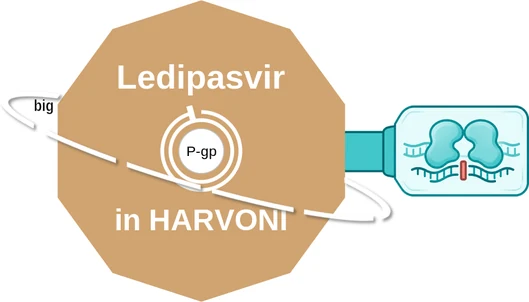
- Initial, no decompensation: glecaprevir/pibrentasvir (Mavyret) 8 wk or sofosbuvir/velpatasvir (Epclusa) 12 wk; both pangenotypic
- Decompensated cirrhosis: sofosbuvir/velpatasvir + ribavirin ×12 wk is treatment of choice
- Treatment failure: extend same regimen, add ribavirin, or sofosbuvir/velpatasvir/voxilaprevir (Vosevi)
- Post-solid-organ transplant or viremic-donor recipients: glecaprevir/pibrentasvir or sofosbuvir/velpatasvir
Nonpharmacologic therapies
- Alcohol abstinence
- Coffee consumption
- Hepatitis A and B vaccination
- Pneumococcal vaccination
- HCV screening
- Liver or kidney transplantation
Pearls
- Genotyping unnecessary for most patients
- Immunocompromised: antibody may be falsely negative; check HCV RNA
- Test in every pregnancy
- Check DAA interactions with the Liverpool HEP checker
Self-check
- What is checked before HCV therapy?
Cirrhosis, DDIs + prior treatment. - What treats HCV?
Short-course direct-acting antivirals.
Drugs used for this (14)

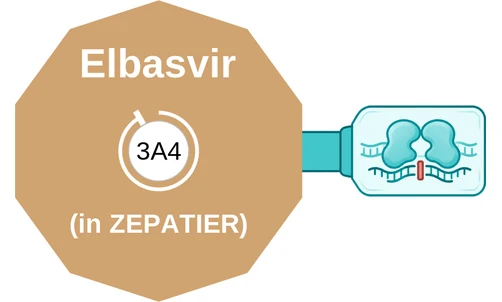
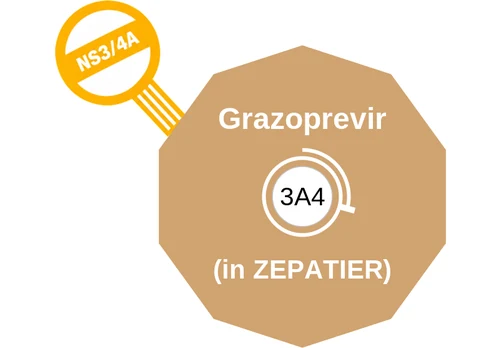
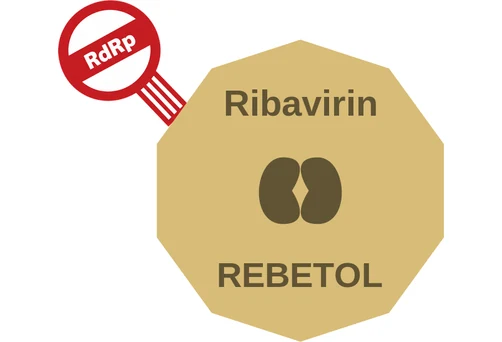
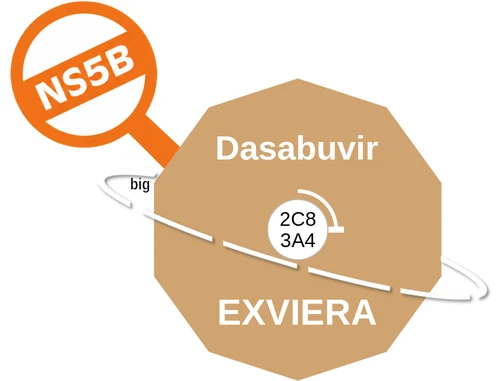
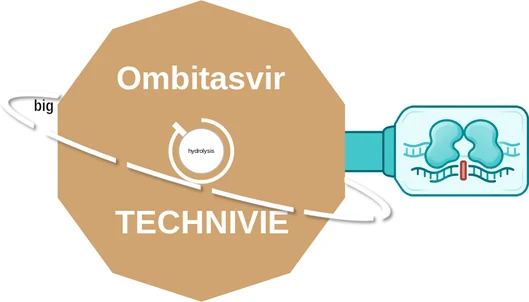
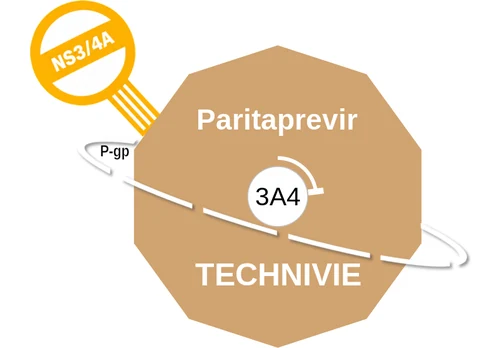
All clinical uses · Open Hepatitis C virus (HCV) infection in the interactive console ↗