Dry eye disease
- Artificial tears + environmental modification first
- Treat meibomian-gland dysfunction/blepharitis
- Preservative-free tears for frequent use
- Cyclosporine/lifitegrast or related anti-inflammatory drops
- Punctal plugs for selected aqueous-deficient disease
- Review systemic antimuscarinic/drying medications
Use at a glance
- Artificial tears + environmental modification first
Practical pearls
- Treat meibomian-gland dysfunction/blepharitis
- Preservative-free tears for frequent use
Other practical pearls
- Cyclosporine/lifitegrast or related anti-inflammatory drops
- Review systemic antimuscarinic/drying medications
Choosing treatment
- Punctal plugs for selected aqueous-deficient disease
Key points
- Initial: artificial tears, most cost-effective
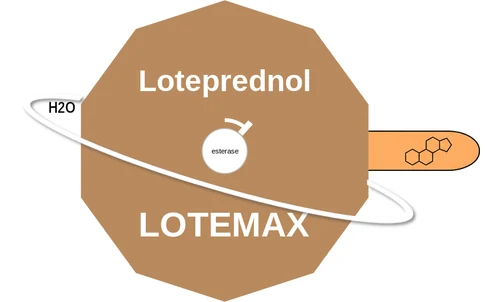
- Ophthalmic corticosteroids short-term only; long-term → cataract, glaucoma
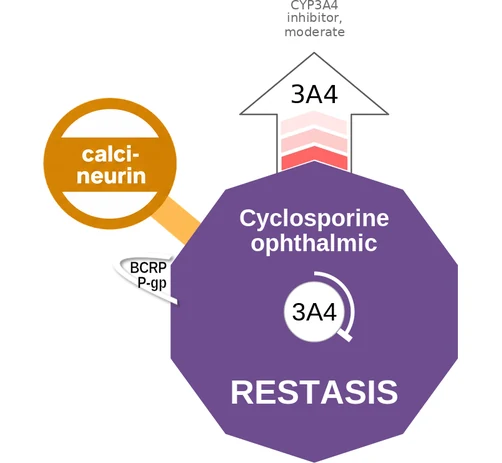
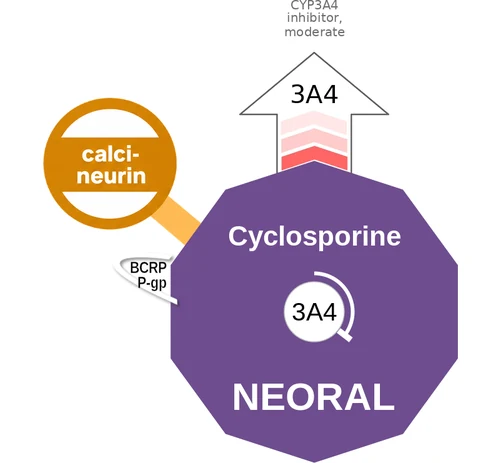
- Topical cyclosporine (Restasis, Cequa, Vevye): safe, effective; up to 3 mo for full effect
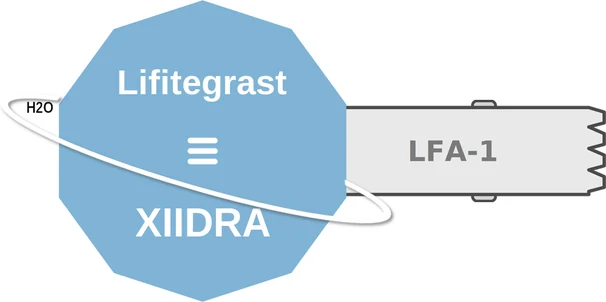
- Lifitegrast (Xiidra): safe, modestly effective; no comparative data
- Perfluorohexyloctane (Miebo): evaporative DED/MGD; ↑ tear film, lipid layer; blurred vision, erythema
- Varenicline nasal spray (Tyrvaya): ↑ basal tears; throat/nasal irritation
Nonpharmacologic therapies
- Preservative-free artificial tears
- Nighttime ointments and gels
- Intense pulsed light therapy
- Nutritional supplements
- Remove contacts before drops
Pearls
- Tears may help in days; full benefit takes weeks
- Cyclosporine sting eased by brief steroid co-therapy first month
- Varenicline spray is the only intranasal dry-eye drug
- OTC eye supplements lack convincing evidence
Self-check
- Which tears are preferred for frequent use?
Preservative-free. - What comes first in Dry eye disease?
Artificial tears + environmental modification.
Drugs used for this (6)
All clinical uses · Open Dry eye disease in the interactive console ↗