Cirrhosis and its complications
- Advanced fibrosis + nodular remodeling → portal HTN, impaired hepatic function.
- Decompensation: ascites, variceal hemorrhage, or overt encephalopathy.
- Treat cause; consider carvedilol for clinically significant portal HTN if tolerated.
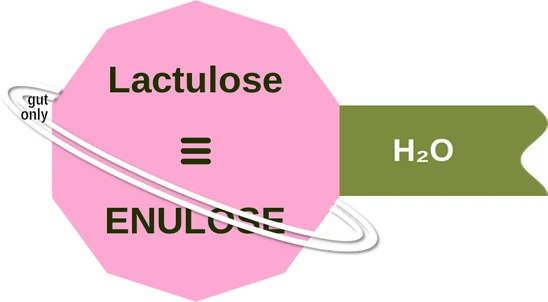
- Ascites → spironolactone ± furosemide; overt encephalopathy → lactulose (ENULOSE).
- HCC surveillance: US + AFP q6mo if eligible; decompensation → transplant evaluation.
Use at a glance
- Advanced fibrosis + nodular remodeling → portal HTN, impaired hepatic function.
- Decompensation: ascites, variceal hemorrhage, or overt encephalopathy.
- Treat cause; consider carvedilol for clinically significant portal HTN if tolerated.
- Ascites → spironolactone ± furosemide; overt encephalopathy → lactulose (ENULOSE).
- HCC surveillance: US + AFP q6mo if eligible; decompensation → transplant evaluation.
Self-check
- What is cirrhosis?
Advanced liver scarring that impairs blood flow and liver function. - What commonly causes cirrhosis?
Chronic hepatitis B/C, heavy alcohol use, or MASLD/MASH.
MASLD = metabolic dysfunction-associated steatotic liver disease • MASH = metabolic dysfunction-associated steatohepatitis - Why do liver failure patients bruise or bleed?
Less clotting factor production and often fewer platelets.
Significance: A long clotting time alone doesn’t predict bleeding in cirrhosis. - Why can low albumin (al-BYOO-min) cause swelling?
Less fluid stays inside blood vessels. - Why can liver failure cause jaundice?
Poor bilirubin (bil-ih-ROO-bin) processing lets it build up. - Why can low bile in the gut cause fatty stools?
Bile helps the gut absorb fat.
Significance: Fat-soluble vitamins can also be poorly absorbed. - What is hepatorenal (hep-uh-toh-REE-nul) syndrome?
Kidney failure linked to poor kidney blood flow in advanced liver disease.
Significance: Kidney function can fall without a primary kidney disease. - What tests help evaluate cirrhosis?
Blood tests and imaging; sometimes a biopsy. - How is cirrhosis managed?
Treat the cause and complications; consider transplant if advanced.
Drugs used for this (1)
All clinical uses · Open Cirrhosis and its complications in the interactive console ↗
Open Cirrhosis and its complications in slides ↗