Bruxism (antidepressant-induced)
- Reduce/switch the causative antidepressant if feasible
- Buspirone is a commonly used antidotal strategy
- Dental guard protects teeth but may not stop mechanism
- Evaluate jaw pain/TMJ injury
- Symptoms often emerge after dose start/increase
- Evidence is mostly small studies/case experience
Use at a glance
- Reduce/switch the causative antidepressant if feasible
Practical pearls
- Buspirone is a commonly used antidotal strategy
- Dental guard protects teeth but may not stop mechanism
Other practical pearls
- Evaluate jaw pain/TMJ injury
Clinical pearls
- Symptoms often emerge after dose start/increase
- Evidence is mostly small studies/case experience
Self-check
- What antidepressant change may help bruxism, if feasible?
Reduce or switch the causative drug. - Does a dental guard necessarily stop antidepressant-induced bruxism’s mechanism?
No—it protects teeth but may not stop the mechanism.
Drugs used for this (1)
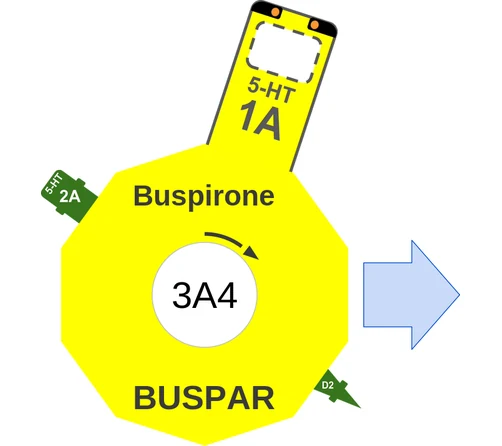
All clinical uses · Open Bruxism (antidepressant-induced) in the interactive console ↗