Acute pancreatitis
- Dx ≥2: characteristic pain, lipase/amylase ≥3× ULN, characteristic imaging.
- Gallstones/alcohol common; check triglycerides when etiology unclear.
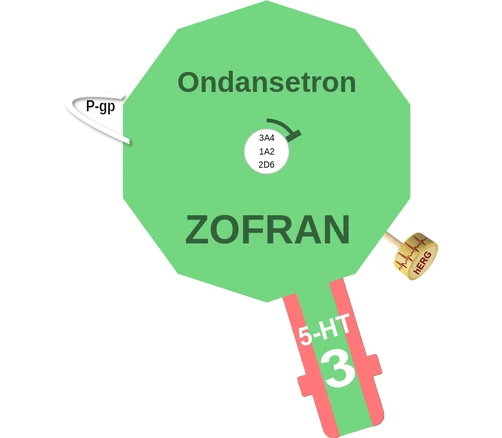
- Lactated Ringer’s with reassessment; analgesia ± ondansetron (ZOFRAN) for nausea.
- Early oral feeding as tolerated in mild disease; no prophylactic antibiotics.
- Biliary pancreatitis: urgent ERCP if cholangitis; same-admission cholecystectomy for mild cases.
Use at a glance
- Dx ≥2: characteristic pain, lipase/amylase ≥3× ULN, characteristic imaging.
- Gallstones/alcohol common; check triglycerides when etiology unclear.
- Lactated Ringer’s with reassessment; analgesia ± ondansetron (ZOFRAN) for nausea.
- Early oral feeding as tolerated in mild disease; no prophylactic antibiotics.
- Biliary pancreatitis: urgent ERCP if cholangitis; same-admission cholecystectomy for mild cases.
Self-check
- What is pancreatitis?
Pancreas inflammation; it can be acute or chronic. - How does the pancreas injure itself in acute pancreatitis?
Trypsin activates too early, starting self-digestion.
Significance: Trypsin normally activates in the small intestine. - What are two leading causes of acute pancreatitis?
Gallstones and heavy alcohol use. - What are other acute pancreatitis triggers?
Very high triglycerides (try-GLISS-uh-rydes), high calcium, some drugs, or injury. - What is classic acute pancreatitis pain?
Upper belly pain that may spread to the back; nausea and vomiting are common.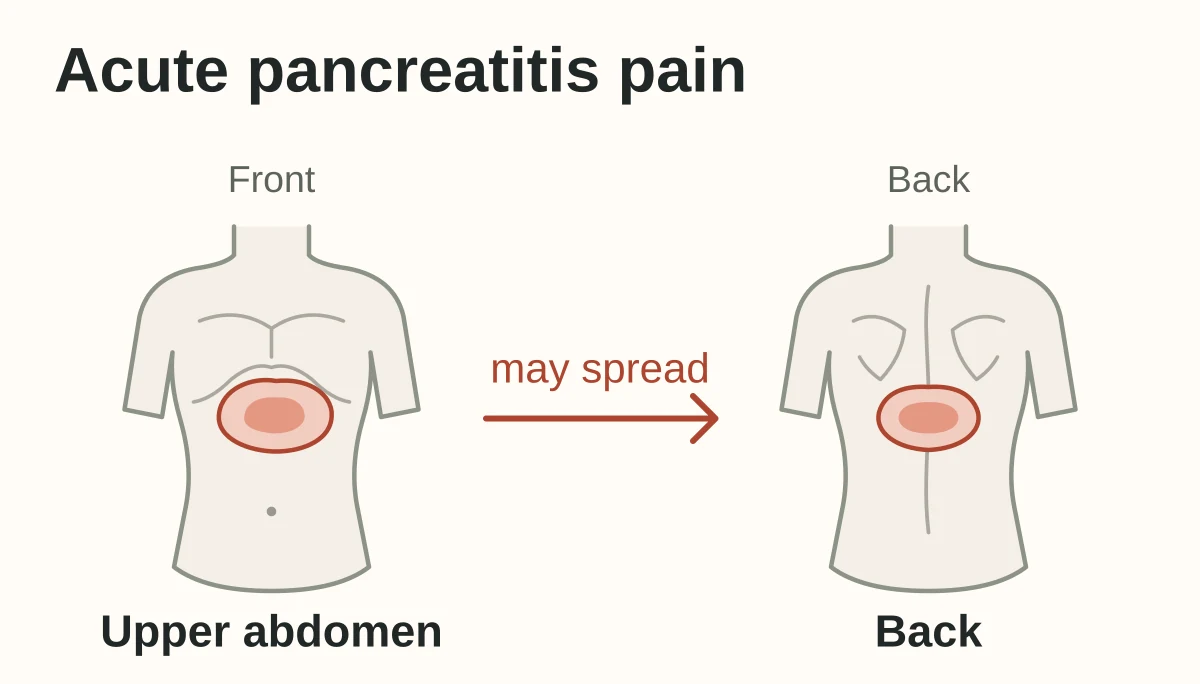
- Which blood enzyme is preferred for acute pancreatitis?
Lipase (LY-pays); amylase (AM-ih-lays) can also rise.
Significance: Lipase can rise for reasons other than pancreatitis. - What do Ranson’s criteria estimate?
How severe acute pancreatitis may become.
Significance: The full score takes 48 hours. - What is basic acute pancreatitis care?
IV fluids, pain relief, and food as soon as tolerated.
IV = intravenous (into a vein) - What helps prevent repeat mild gallstone pancreatitis?
Removing the gallbladder, usually during the same hospital stay. - What is a pancreatic pseudocyst?
A walled-off fluid collection after pancreatitis.
Significance: Usually matures after four weeks; little or no solid material. - What are major acute pancreatitis complications?
Infected dead tissue, low blood pressure, or kidney or lung failure.
Significance: Organ failure lasting over 48 hours defines severe disease.
Drugs used for this (1)
All clinical uses · Open Acute pancreatitis in the interactive console ↗
Open Acute pancreatitis in slides ↗