Ion-trapping interactions
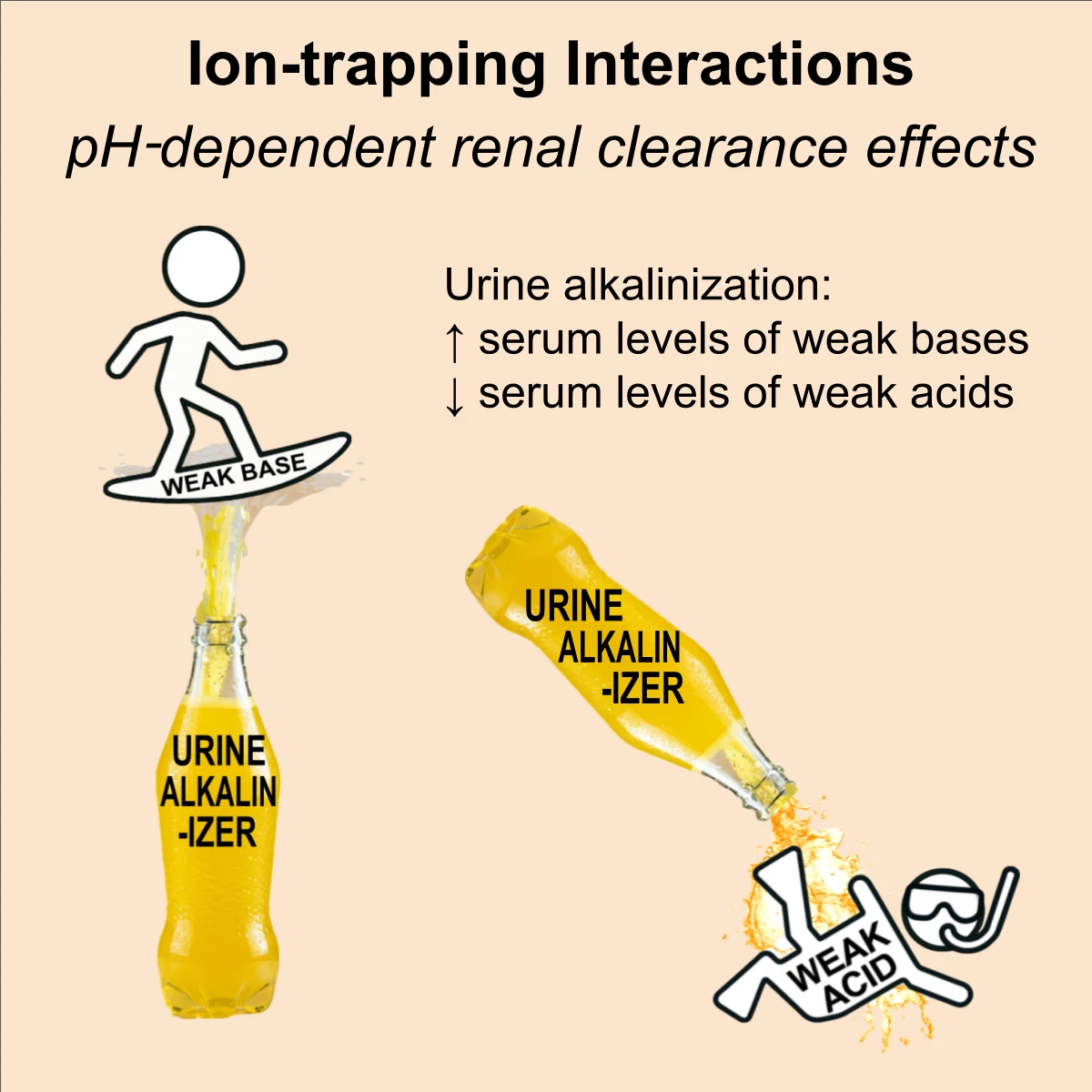
A drug that switches between charged and uncharged forms across the normal urine pH range is trapped in urine once charged — and cannot be reabsorbed.
Three properties are needed: the drug must be filtered or secreted, it must be a weak acid or weak base, and its pKa must sit close enough to urine pH that shifting the pH actually changes the charged fraction. Only then does manipulating urine pH change clearance. The rule is acids out in base, bases out in acid.
Alkalinizing the urine traps weak acids. This is the basis of treatment for aspirin overdose, where intravenous sodium bicarbonate both traps aspirin or salsalate in the urine and pulls it out of the central nervous system. Phenobarbital and methotrexate respond to the same maneuver, and sulfamethoxazole is a weak acid handled this way.
Acidifying the urine traps weak bases such as amphetamine, phentermine, amantadine, memantine, flecainide, quinidine and procainamide. It is rarely done deliberately, but the reverse happens often enough to matter: anything that alkalinizes urine slows the clearance of these drugs and raises their levels.
The carbonic anhydrase inhibitors are the drugs most likely to do that unintentionally. Acetazolamide, methazolamide and dichlorphenamide alkalinize the urine as a direct consequence of their mechanism, and topiramate and zonisamide inhibit carbonic anhydrase weakly enough to be forgotten and often enough to matter.
Other Ion-trapping roles (18)

Weak base
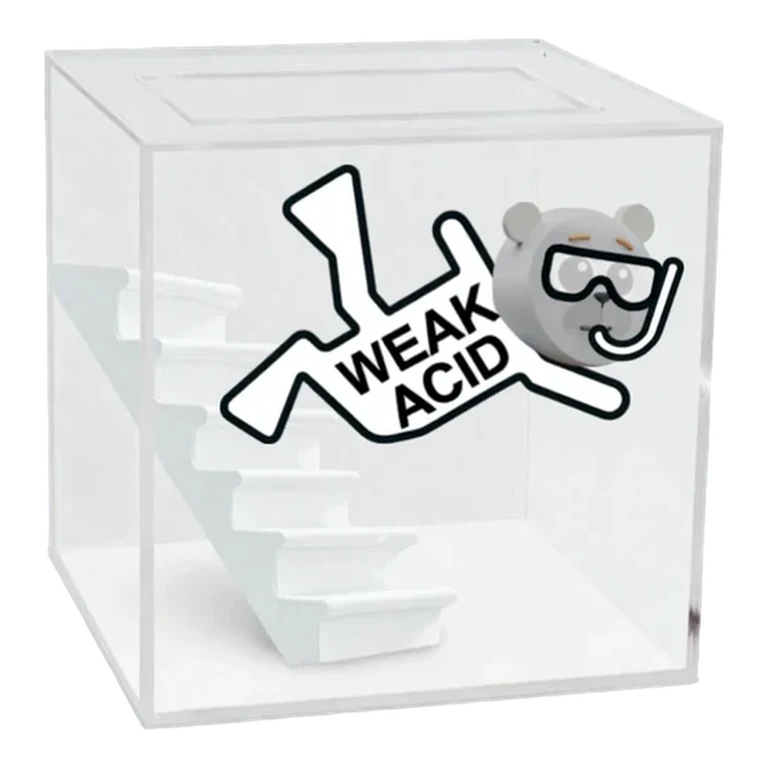
Weak acid

Urinary alkalinizer
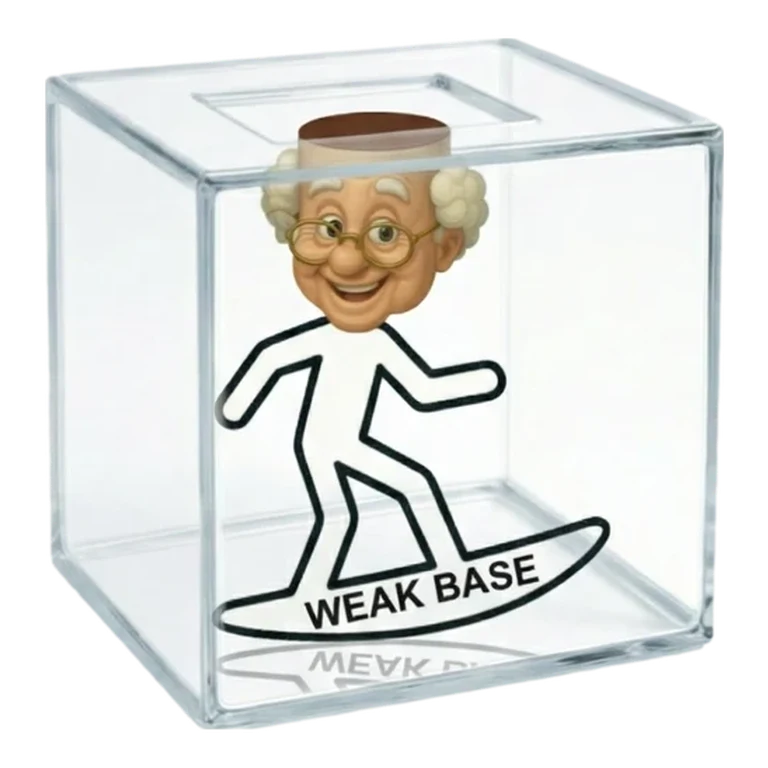
Weak base

Weak acid

Weak base

Weak base

Urinary alkalinizer

Weak base

Urinary alkalinizer
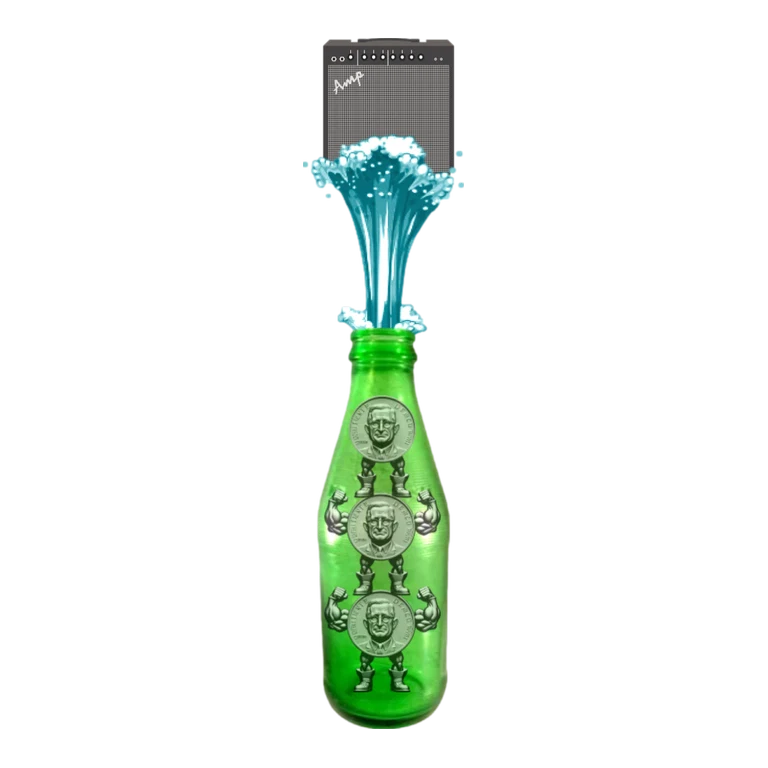
Urinary alkalinizer
Weak acid

Weak base
Urinary alkalinizer

Urinary alkalinizer

Weak base

Weak acid

Weak acid