Bubbled meds interactions
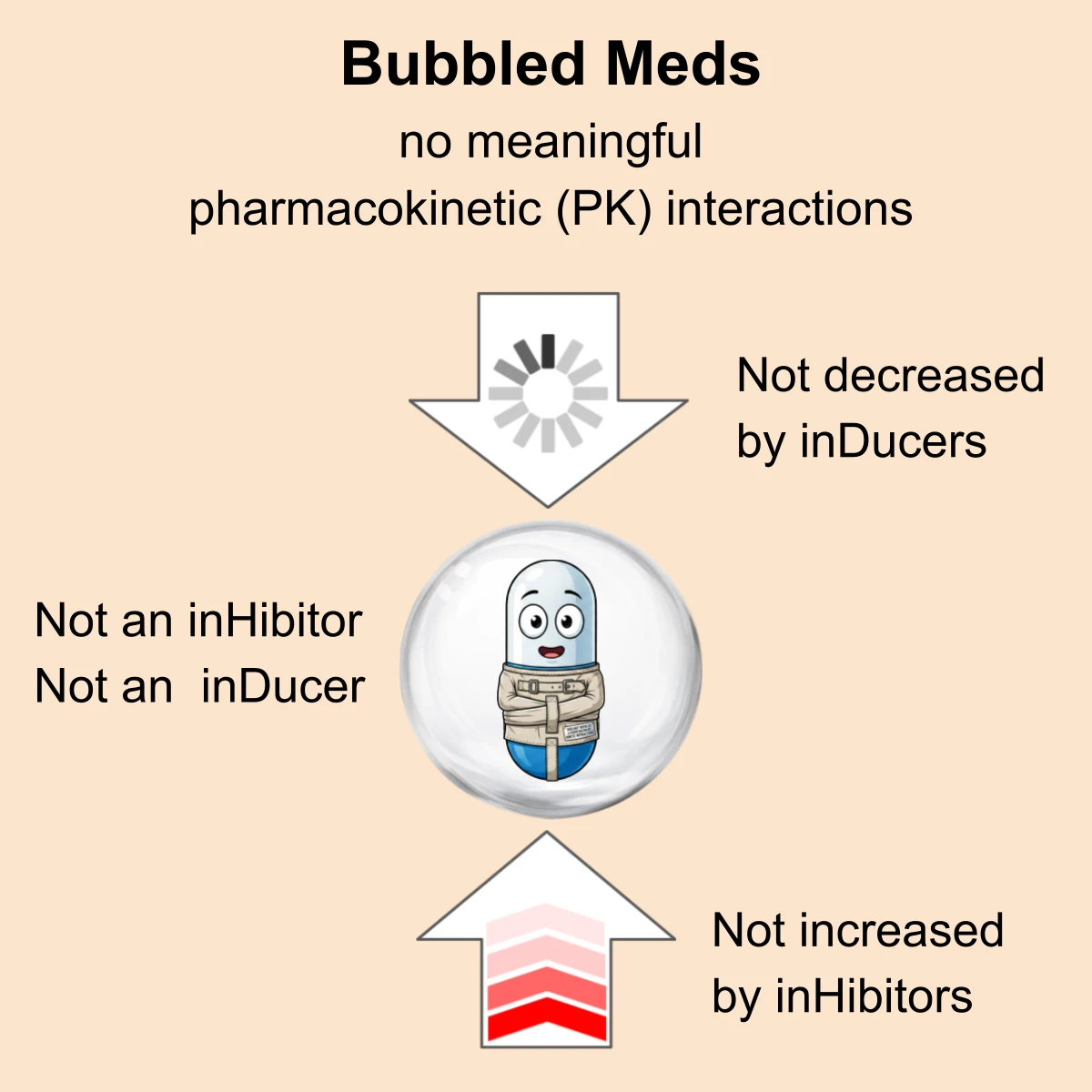
A bubble is the stronger claim: not a clinically significant inhibitor, inducer or sensitive substrate of any metabolic enzyme or transporter.
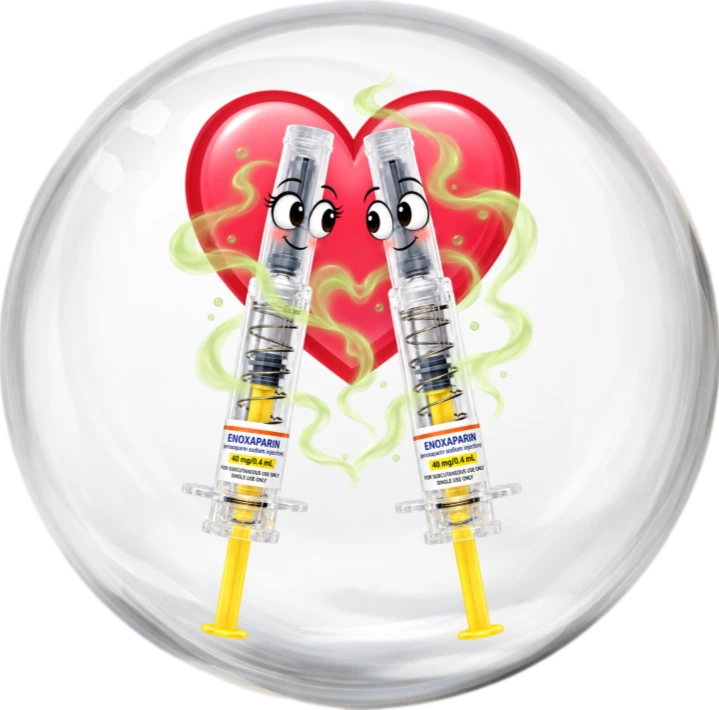
Where a box says interactions are unlikely, a bubble says the kinetic question has been asked and answered. Gabapentin, pregabalin, levetiracetam, baclofen and vigabatrin are here because they are cleared renally and unchanged; docusate, PEG 3350, rifaximin, nystatin and mupirocin because they are barely absorbed; heparin, enoxaparin and desmopressin because they are peptides.
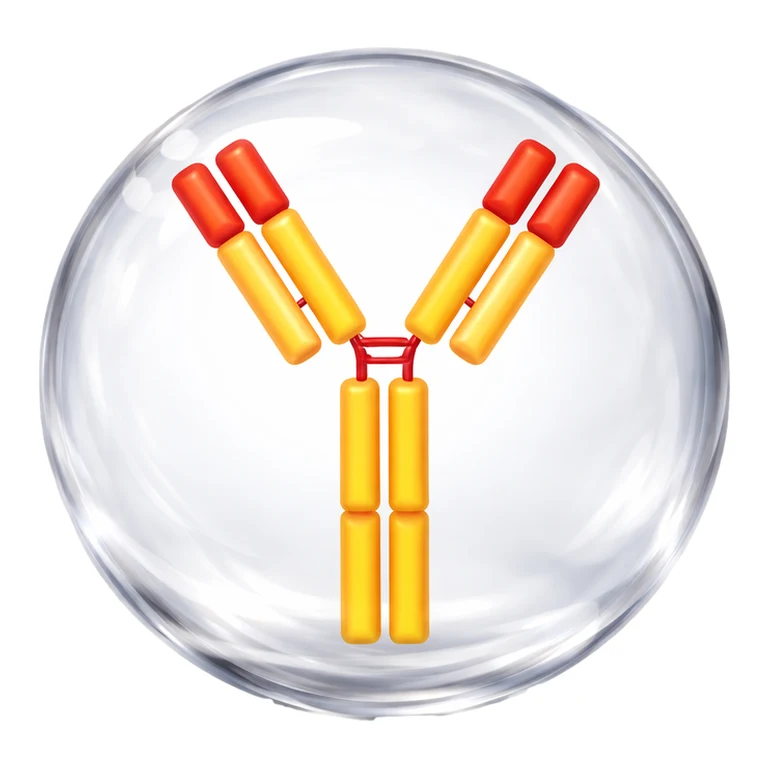
Monoclonal antibodies are bubbled for a different reason. Adalimumab, rituximab, denosumab, evolocumab, alirocumab and risankizumab are cleared by proteolytic catabolism rather than by CYP or UGT enzymes, they neither inhibit nor induce, and they have no effect on drug transporters including P-glycoprotein.
There is one systematic exception to that, and it runs through inflammation rather than through metabolism. Interleukin-6 suppresses CYP1A2, so an inflammatory state raises the level of a CYP1A2 substrate; blocking IL-6 reverses that suppression, 1A2 activity normalizes, and the level falls back to a non-inflamed baseline. The effect is specific to IL-6 and is not a class property of biologics.
As with a box, the bubble is silent on pharmacodynamics. Almost every bubbled medication still has dynamic interactions — sedation with hydromorphone or oxymorphone, additive CNS depression with baclofen or oxybate, bleeding with heparin — and those are not drawn into the bubble design.
Other Bubbled meds roles (55)
No kinetic interactions

No kinetic interactions

No kinetic interactions
No kinetic interactions
No kinetic interactions
No kinetic interactions
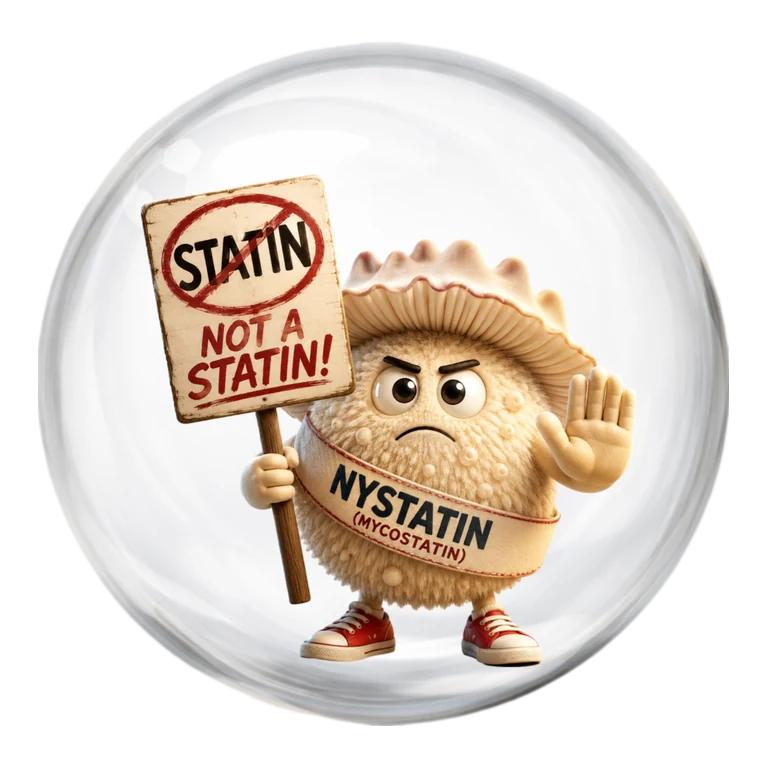
No kinetic interactions

No kinetic interactions
No kinetic interactions

No kinetic interactions
No kinetic interactions
No kinetic interactions
No kinetic interactions

No kinetic interactions
No kinetic interactions

No kinetic interactions

No kinetic interactions

No kinetic interactions
No kinetic interactions
No kinetic interactions
No kinetic interactions
No kinetic interactions
No kinetic interactions

No kinetic interactions

No kinetic interactions
No kinetic interactions
No kinetic interactions
No kinetic interactions
No kinetic interactions

No kinetic interactions
No kinetic interactions
No kinetic interactions

No kinetic interactions
No kinetic interactions
No kinetic interactions
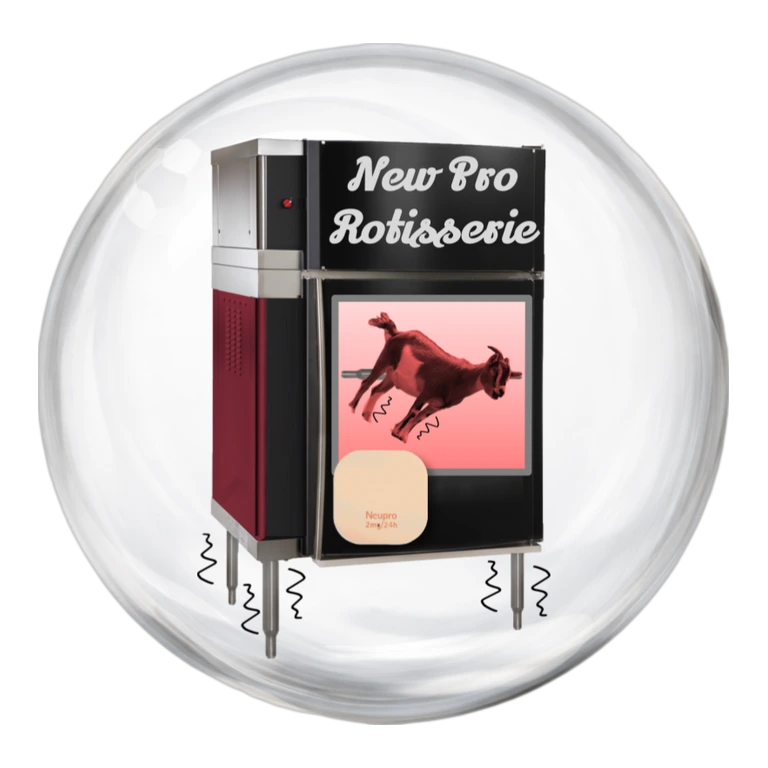
No kinetic interactions
No kinetic interactions
No kinetic interactions
No kinetic interactions
No kinetic interactions
No kinetic interactions
No kinetic interactions
No kinetic interactions
No kinetic interactions
No kinetic interactions

No kinetic interactions
No kinetic interactions

No kinetic interactions
No kinetic interactions
No kinetic interactions
No kinetic interactions

No kinetic interactions
No kinetic interactions

No kinetic interactions
No kinetic interactions