Amitriptyline and Midodrine: an Alpha-1 adrenergic receptor interaction
Amitriptyline blocks the alpha-1 adrenergic receptor that midodrine’s active metabolite, desglymidodrine, has to stimulate — so midodrine raises standing blood pressure less than its dose would suggest.
Midodrine is a prodrug. It is converted to desglymidodrine, an alpha-1 agonist that constricts arterioles and veins and so supports blood pressure on standing. Amitriptyline is an antagonist at the same receptor, which is why it causes orthostatic hypotension on its own. With both present they compete for the receptor, and the vasoconstriction midodrine was started for is partly cancelled.
Given together they work against whatever each was started for. If both are genuinely needed, expect less of Midodrine’s effect than its dose would suggest.
This is a pharmacodynamic interaction. Neither drug changes the other’s concentration, so a level, an AUC estimate or a genotype looks entirely normal while the clinical effect is blunted.
The direction can be the useful one. The same opposition is what makes a reversal agent, an antidote or a planned antagonist work.
If the orthostatic hypotension appeared or worsened on the tricyclic, the alpha-1 blocker is a cause being treated with its own opposite. Review the tricyclic before raising the midodrine dose.
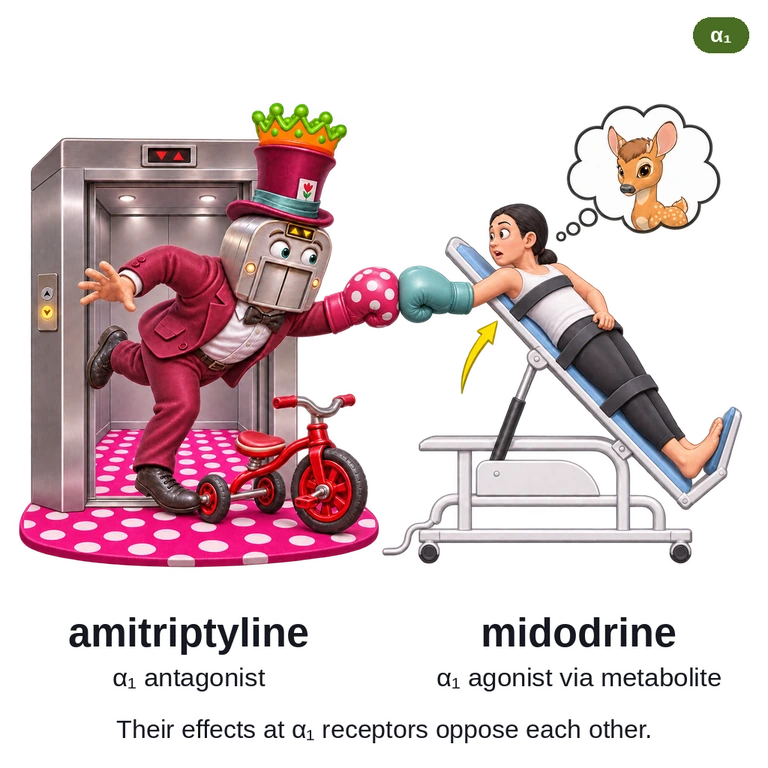
The two ballicules, with the Alpha-1 adrenergic receptor lit on each
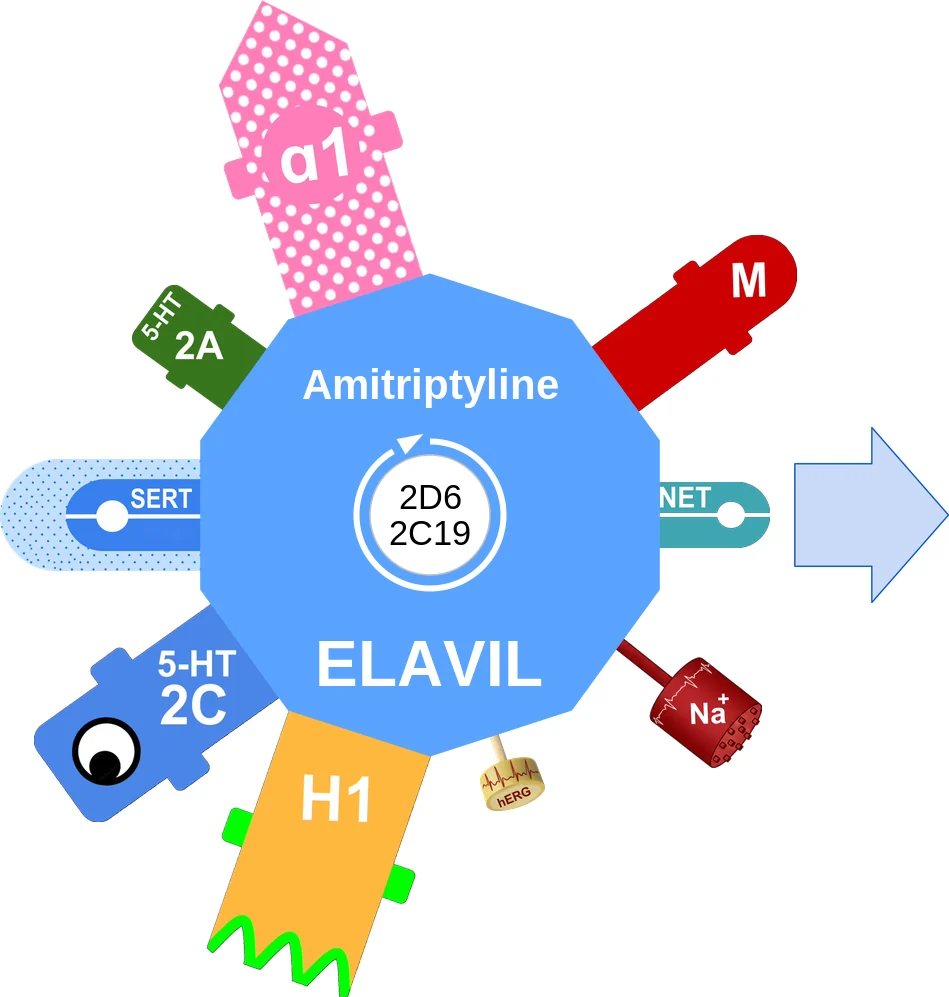
Alpha-1 adrenergic receptor antagonist
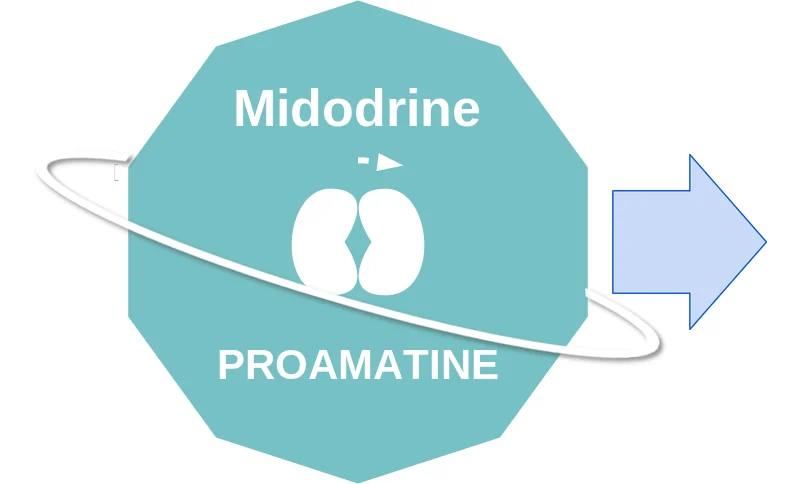
Alpha-1 adrenergic receptor agonist via metabolite
The ring marks the peg each drug wears for this receptor — the same cross-illumination Interact! draws when the two are put side by side.
The mascots

Am I tripping off the Elevator?
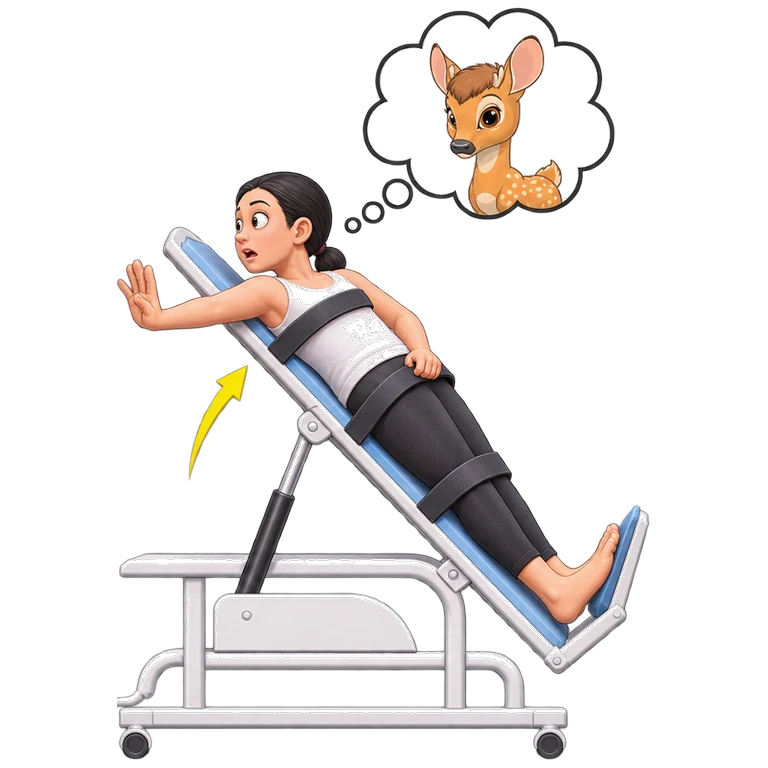
“My doe dream”